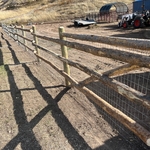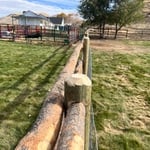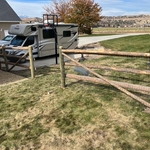



Top-rated animal fencing pros.

Get matched with top animal fencing pros in Providence, UT

Enter your zip and get matched with up to 5 pros

Need a pro for your animal fencing service project in Providence, UT?

Select your specific project to find the pro for you.

Find Animal fencing pros in Providence

Animal Fencing questions, answered by experts

Moles live underground and feed on insects. They dig and move through tunnels, usually in meadows or forests but sometimes in lawns and gardens. They are about 6 inches long with large claws, tiny eyes, and hidden ears. 

Shrews do not dig their own tunnels but will use other animals’ tunnels, and are about 3 to 4 inches long. They look similar to mice and feed on insects.

Voles are similar in size to moles but have large eyes and small but visible ears. Rather than eating insects, voles are herbivores that prefer seeds, grasses, and plant roots.

You know if you have a skunk hole if you can smell the skunk’s musk. Skunks have a strong odor even when they aren’t spraying due to threats, and you may smell it coming from under a building or another hiding spot, such as a shrub or wood pile. They may also dig shallow holes around a lawn in search of food.

Since they are cold-blooded, snakes find cool toilet bowls attractive, especially during hot weather. Or they may be seeking to escape the plumbing and find a spot in your home where they can warm up on a cold night. Snakes may also be looking for food.

If the cat is stray (you noticed a collar or other signs of domestication), the kind thing to do is to try and find the owner. Call around to other neighbors to see if they can lead you in the right direction. If you can get close enough to snap a picture, try posting an image of the cat to local community groups and pages on social media. 

If the cat is feral, you can try to humanely trap them and participate in a local shelter’s TNR program. Before attempting capture, call around to local rescues and shelters to make sure one near you does participate in a TNR program. They may even be able to catch the cat for you.

The cost of removing a hornets nest ranges from $300 to $400, depending on the size and location of the active nest. Bald-faced hornet removal costs more than the average—about $625 to $750. The price tag also depends on the eradication method, ranging from aerosol sprays and dusting to vacuuming and extermination.

The Providence, UT homeowners’ guide to animal fencing services

From average costs to expert advice, get all the answers you need to get your job done.