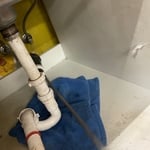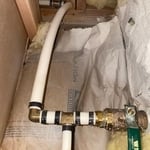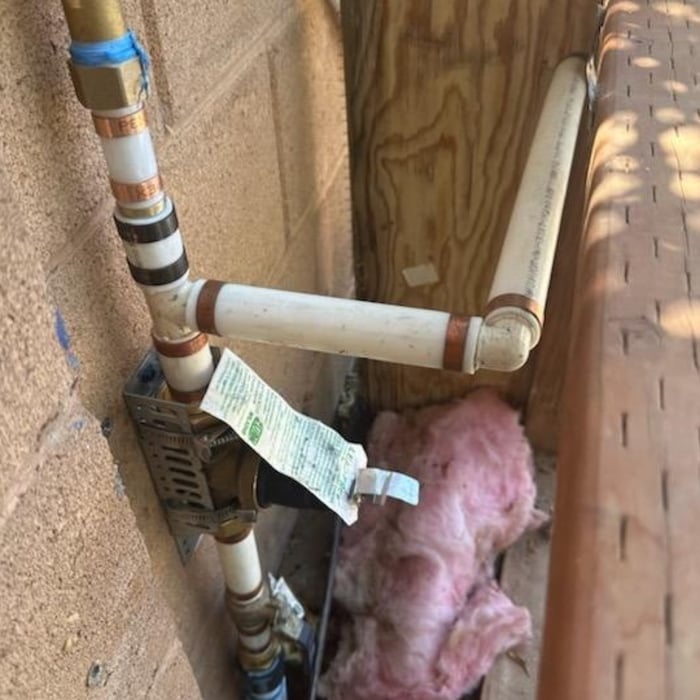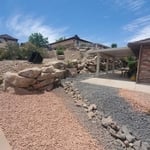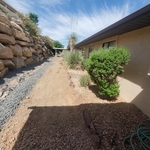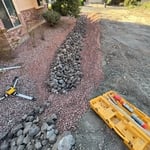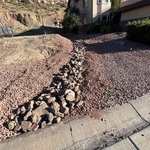







Call Mr. Rooter Plumbing of St. George for all of your plumbing installs, construction, and service needs.Our technicians and our service is available 24/7. We have the experience and quality that you can rely on. Call now!
We take great pride in our experience, expertise, quality, and customer service that we provide to meet the consumers needs. It is our mission to provide excellent workmanship and complete customer satisfaction from start to completion of a project. In order to understand the needs and expectations of our customers, we take great care to work and communicate with every customer in a professional manner. Our reputation is based on service, safety, and quality, regardless of how large or small the job.\n
Serving all of Southern Utah, Mr. Rooter Plumbing of St. George is an independently owned and operated Franchise. Our plumbers are licensed and insured, provide upfront flat rate pricing, deliver high-quality repairs, and bring large inventory of supplies to every job site. We are known for our friendly and punctual service at an affordable rate. We look forward to doing business with you.

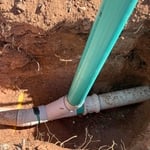
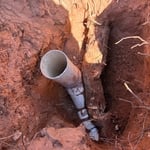
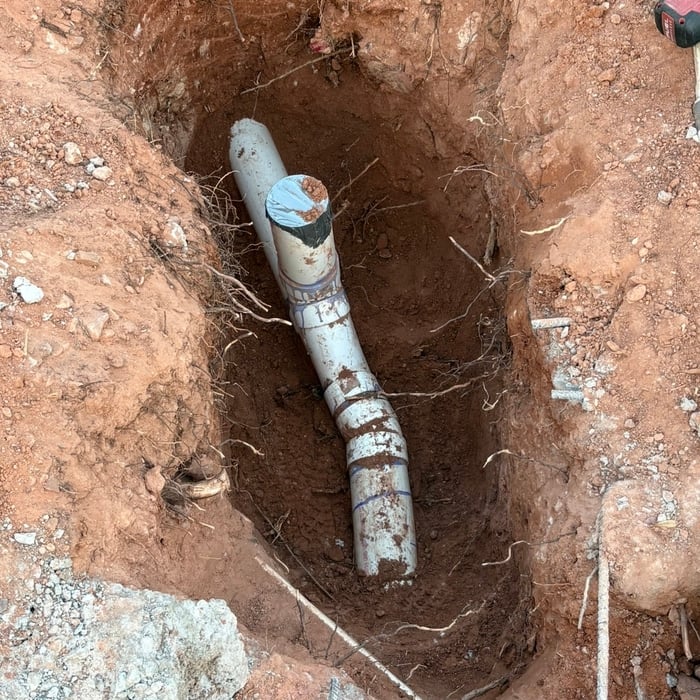
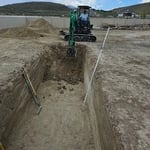
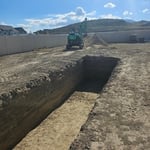
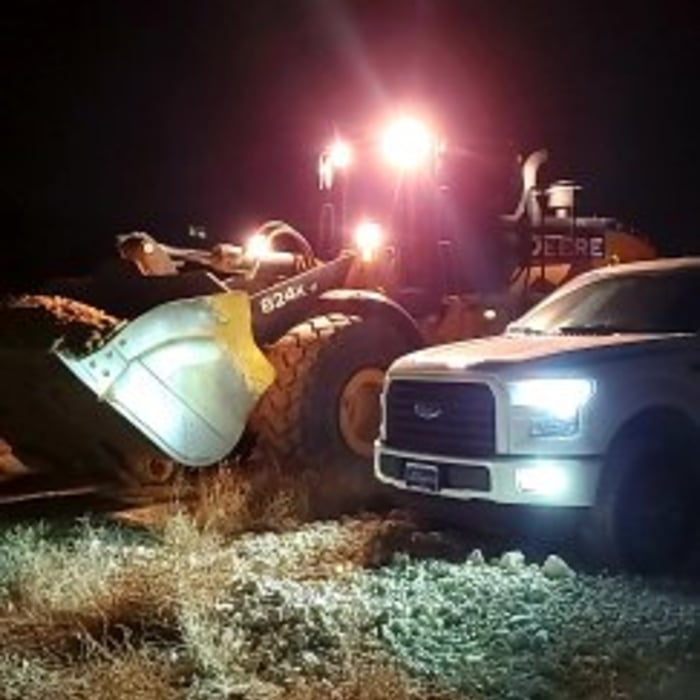
Excavation services involve the careful and precise removal of earth and debris to facilitate various construction projects. Whether it's digging foundations for buildings, trenching for utility installation, or creating space for landscaping features, Phynix's skilled excavation teams use specialized equipment to ensure accuracy and efficiency. From small residential projects to large-scale commercial developments, excavation services play a crucial role in laying the groundwork for successful construction endeavors. Experienced professionals prioritize safety, environmental considerations, and adherence to project timelines, ensuring smooth progress from start to finish.\nProviding comprehensive installation services for essential infrastructure, including sanitary sewer, water, irrigation, storm drains, and electrical conduits.
We are a Family owned and operated business, we take pride in our great employees and the excellence we all strive for in our work. The reward of 100% satisfaction from our customers is our focus and goal, we like to work directly with each client to achieve the result each individual wants or prefers. With over 8 years in the industry we can provide experience and solutions for whatever project or challenges you may have.
We are here to provide the best customer service Southern Utah has to offer. From water heaters that decide to leak at 2 AM to those thirsty desert plants that like to grow into your sewer line. We are here for you - Call today!
"I just pay $75 you never know who's going to come out. They do everything electrical. Just about everything is covered except the septic tank. I had an air conditioner replaced. It went great, all I had to do was pay for the freon. He didn't charge e more than what was needed."
The pressure in a well pressure tank should be set 2 to 3 PSI below the pump's cut-on pressure. The cut-on pressure is the lower number in the pressure setting (e.g., the '30' in 30/50 PSI) and is the point at which the pump starts. The cut-out pressure is the higher number, where the pump stops.
For example:
If your pressure switch is set to 30/50 PSI, the tank pressure should be 27-28 PSI.
If your pressure switch is set to 40/60 PSI, the tank pressure should be 38 PSI.
Common pressure settings for household applications include 20/40, 30/50, and 40/60 PSI. The difference between the cut-on and cut-out pressure is typically 20 PSI.
If you notice that your well pump runs continuously, it’s important to take action quickly to avoid further damage. A few common issues may be to blame for a continuously running well pump, such as mechanical damage, a faulty pressure control switch, low water level, prime loss, and leaking pipes and fixtures.
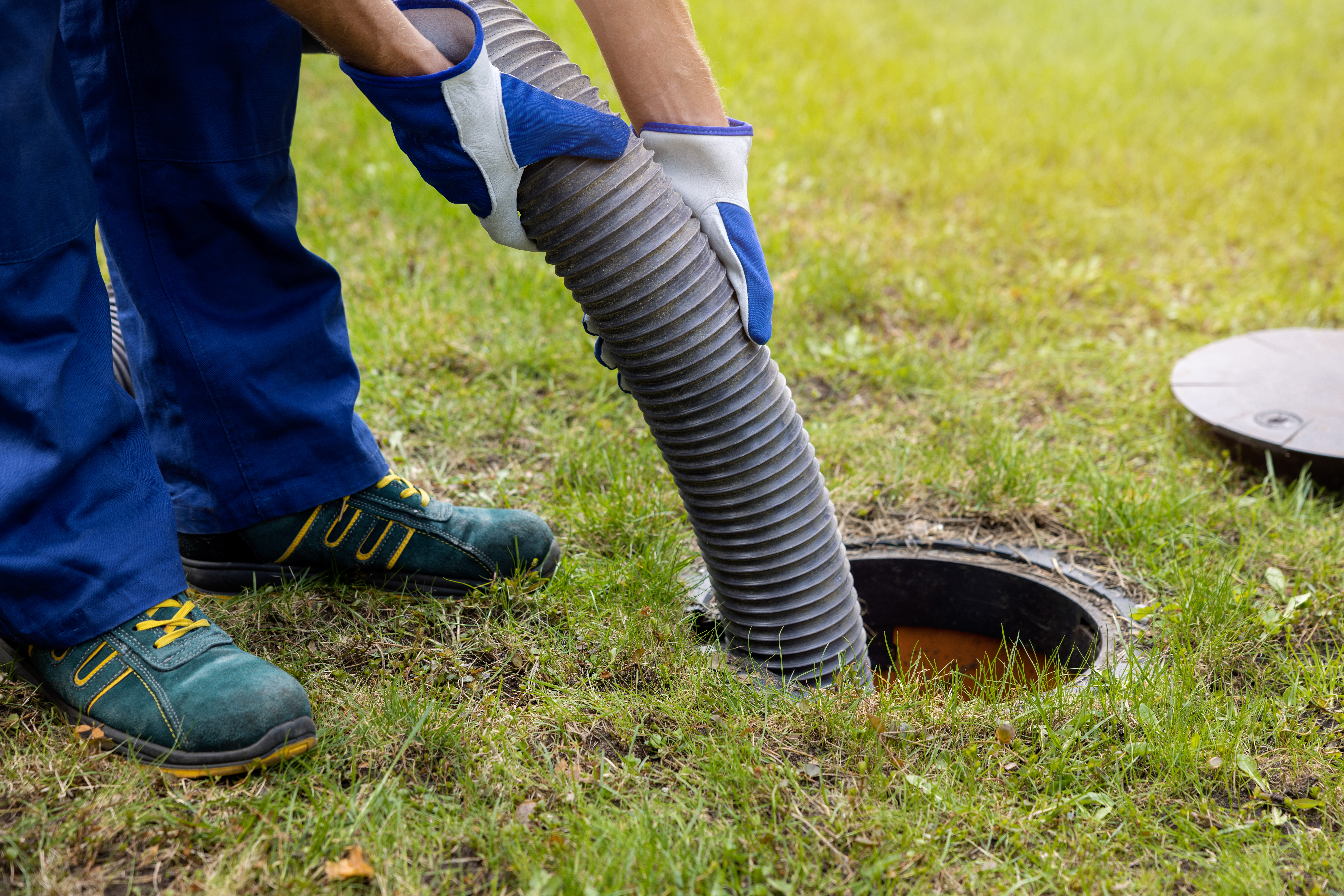
Over time, your septic tank can accumulate a buildup of sludge at the bottom of the tank. If left unpumped and uncleaned, the sludge will back up into your pipes and home, causing failure and extensive (and smelly) damage. Repairs to your septic system can be costly, which is why regular maintenance is required. It takes about 30 minutes to pump a septic tank that’s 1,250 gallons or less or 1 hour for larger varieties.
The main difference between a mound septic system and a conventional one is that the drain field in a mound system is built up into a mound composed of sand and gravel to increase the filtration time the wastewater sees before it is returned to the aquifer. There’s also a significant cost difference, with mound systems typically costing far more than standard septic systems.
There are a few things that can make your drain field fail. These include driving or parking vehicles or heavy machinery on the field, excess sodium in the soil, or having a high water table. You can prevent failure by ensuring your installer checks that your chosen location is suitable for a drain field and properly maintaining your system with the help of a professional.
The Hildale, UT homeowners’ guide to septic tank services
From average costs to expert advice, get all the answers you need to get your job done.
Caring for your septic system is crucial to ensuring its long life. But how much does it cost to pump a septic tank? We explore the different cost factors.
A damaged septic system can leak odors and sewage, so repairs are urgent. Find out how much septic tank repair costs based on repair type, tank size, and more.
Septic tank risers make it easy to access your septic tank when it’s time for routine inspection, maintenance, and pumping, saving you precious time and labor costs.
Septic tank sizes vary depending on the size of your home, how many people live there, how much water you use, and more. Read on to learn how to determine the right size for you.