We are a Family owned and operated business, we take pride in our great employees and the excellence we all strive for in our work. The reward of 100% satisfaction from our customers is our focus and goal, we like to work directly with each client to achieve the result each individual wants or prefers. With over 8 years in the industry we can provide experience and solutions for whatever project or challenges you may have.
"The technician emptied the freezer, which was in the basement, to work on the part that needed repair. Then he neglected to put anything back into the freezer, including a turkey I had bought for Christmas and a rack of ribs. Two days after he left, I went out of town for two weeks. The turkey actually exploded and spewed its liquid all over everything, which had to be discarded. I let AHS know and they couldn't even bother to call me or follow up on this. I'm considering not renewing my contract with them because of the quality (or lack thereof) of many of the providers they send."
Regular checks of pressure tanks, testing water quality, and cleaning intake screens.
Normally, when your well pump turns on or off, you’ll hear a small click. This isn’t anything to worry about, but it can be a problem if it’s clicking continuously. This can indicate that the well pump is short cycling—the pump continuously turns on and off.
This can wear out the motor and provide uneven water flow. If this happens, you may need to get it looked at by a well pump professional to see if you need to repair the switch or pump.
Getting well water tested costs$100 to $350 if done by a pro. You can also buy DIY test kits for $20 to $100, but professional tests are more reliable. You can get a comprehensive well inspection, which includes advanced water testing, for $700 to $750, which you should do yearly anyway.
There are a couple of ways you can determine the depth of your well. One method is to use a device called a well sounder. This tool has a long measuring tape containing a sensor to alert you once the end reaches the water.
Or you can DIY it by using a long tape measure with a half-filled bottle of water attached to it. Lower the tape measure into your well. Once you feel tension on the tape, you’ll know the bottle has reached your static water level. This will give you an approximate idea of your well’s depth.
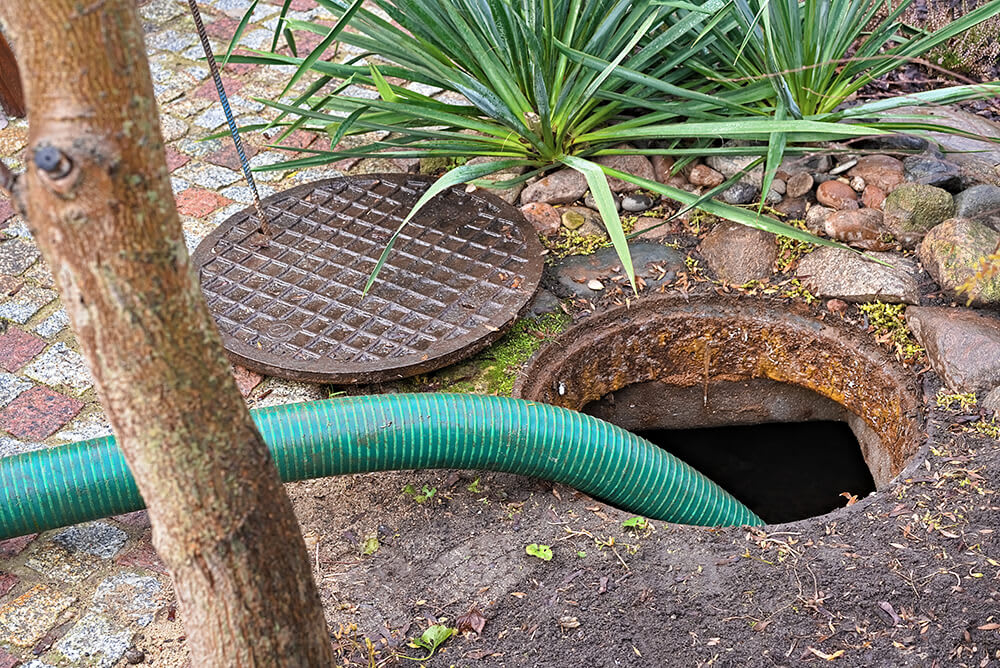
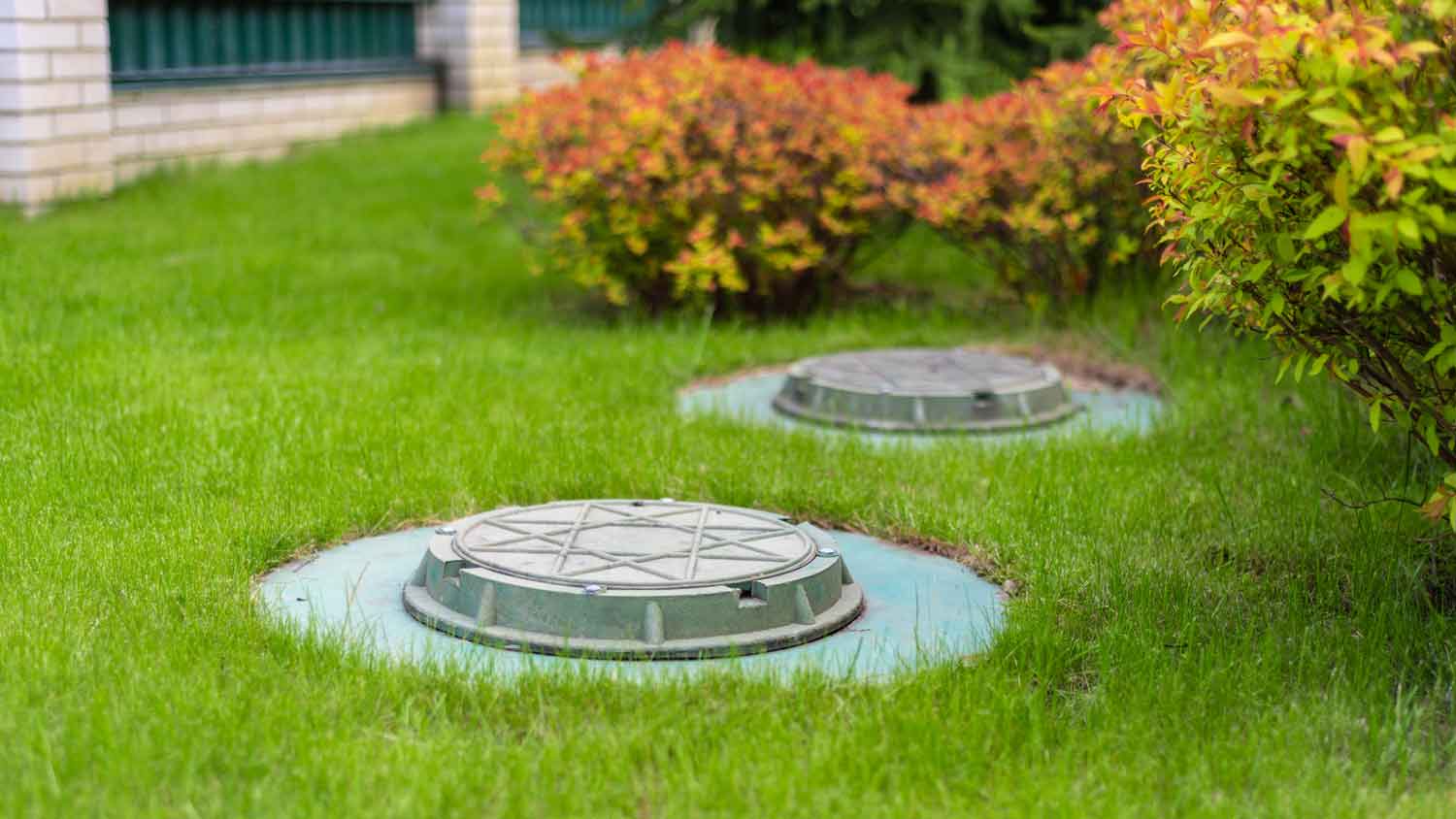
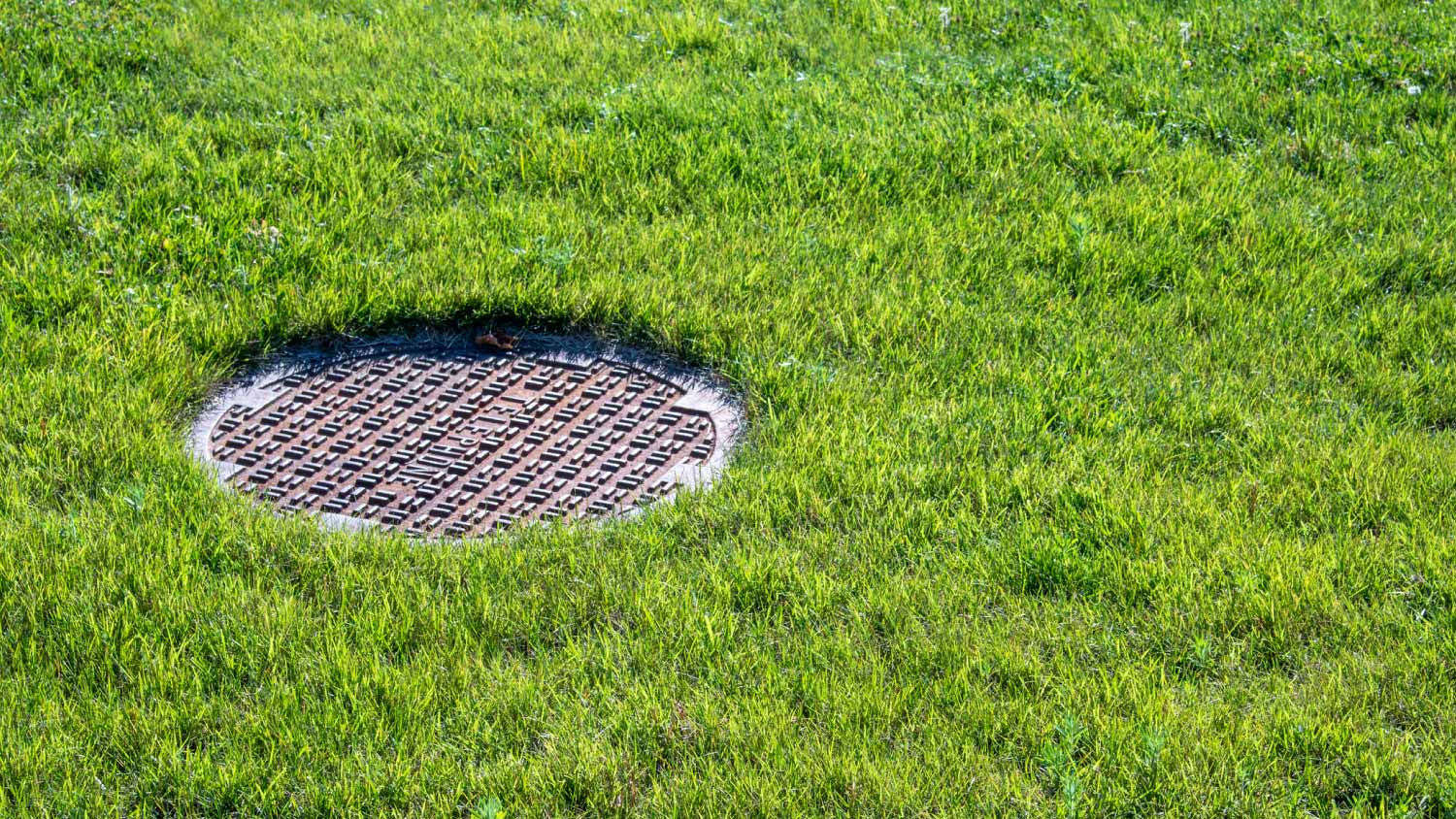
A septic tank lid is often 1 foot underground, but it could be just 4 inches from the surface or 4 feet deep. For septic tank lids that are closer to the surface, you’ll have an easier time locating them just by looking for signs in the yard or using a metal probe. But for septic tanks that are buried deeper underground, you’ll need to hire a pro with specialized equipment to track down the lid without risk of damaging utility lines.
The Halls Crossing, UT homeowners’ guide to septic tank services
From average costs to expert advice, get all the answers you need to get your job done.
Caring for your septic system is crucial to ensuring its long life. But how much does it cost to pump a septic tank? We explore the different cost factors.
It’s crucial to install a septic tank with the right volume to avoid wastewater backups. This guide will help you calculate the right septic tank volume.
Septic tank sizes vary depending on the size of your home, how many people live there, how much water you use, and more. Read on to learn how to determine the right size for you.