




Top-rated tree service pros.

Get matched with top tree service pros in Garland, UT

Enter your zip and get matched with up to 5 pros

Need a pro for your tree service project in Garland, UT?

Select your specific project to find the pro for you.

TRUSTED BY GARLAND, UT HOMEOWNERS

  • Average homeowner rating star icon4.9
    Average homeowner rating
  • Verified reviews icon36
    Verified tree services reviews

Find Tree service pros in Garland

Avatar for Hustle Hauling & Removal
Hustle Hauling & Removal
4.6(
30
)

Serving Garland, UT and surrounding areas

Approved

In business since 2020

Free estimates

Small jobs welcome

"Cleanup wasn't as good as I had been told. Took out four trees and left things looking good, but we still have a big hole where the biggest tree was removed."
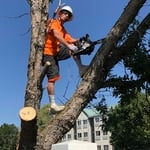
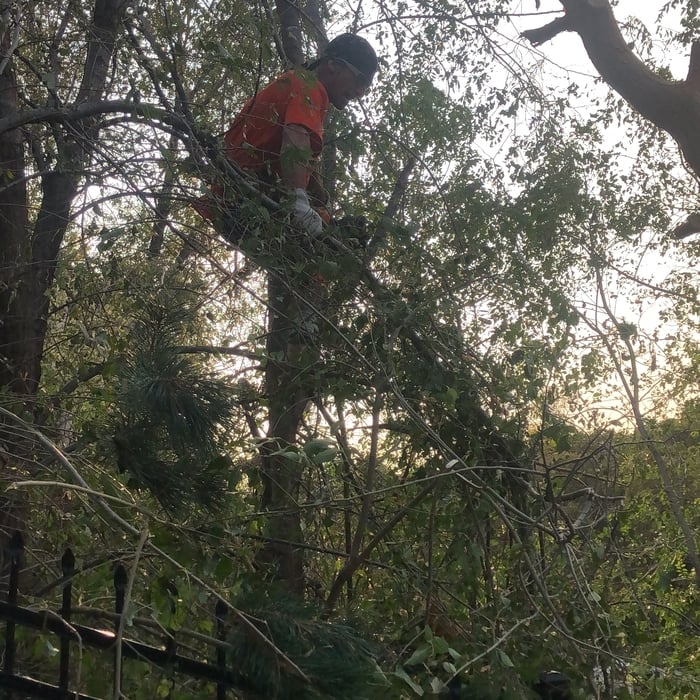
Operation Portfolio
Operation Portfolio
Operation Portfolio
Operation Portfolio
Operation Portfolio

+15

Response time1 day
Response rate93%
Recommended by96%of homeowners
Out On A Limb Tree Services
4.5(
10
)

Serving Garland, UT and surrounding areas

In business since 1992

Free estimates

Emergency services offered

"They gave me a bid a couple weeks before, (I knew it was going to be a lot of work and not going to be cheap) I talked to the Tree service owner and asked if they could work out payments? with an acceptable down payment, they made it happen and spend all day in the cold, on a Friday, but didn't leave until all 4 Dead trees was cut down in a nice pile for me to try and offer for Sale, I also asked them to dump the shredded material near the stack so we could use it for land scraping cover over the next few years. the crew was very respectful and even put up with a complaining neighbor next door. they did a great job trying to clean up the area, which was in a challenging area to work in.
Daniel P. Director of Pantle LLC in Evanston WY.
"
Recommended by100%of homeowners
Showing 1-10 of 29
Tree Service questions, answered by experts

The fastest ways to remove a tree stump are by grinding it or burning it.

Stump grinding is often the quickest method, with professionals able to chip away a stump and its roots within a single session. You have the option to hire a professional stump removal service or rent a stump grinder to do it yourself. However, it's important to note that these machines can be large, difficult to transport, and dangerous to operate without prior experience. For safety reasons, hiring a local arborist or landscape specialist is often recommended.

Burning is another fast option. Before you begin, check your local burn laws. The process involves drilling holes into the stump, filling them with vegetable oil, and waiting 24 to 48 hours. Afterward, you can add charcoal bricks to the surface and light the fire, which must be attended at all times.

For a more affordable but much slower alternative, you can use potassium nitrate pellets to accelerate the natural decomposition process. This method typically takes four to six months.

The safest way to cut down a tree is to make sure you’re completely prepared and have done all the necessary safety checks, including double-checking your equipment is in good working order, you have plenty of clearance to fell the tree, you’re wearing all the safety gear, and you have a partner to help you (who should also be wearing safety gear). 

A grafted tree is a tree grown by combining two trees. It takes expertise. Branches from grafted trees don’t grow strong roots. Save yourself the time and frustration by having an arborist help you with this advanced project.  

You can often tell if a tree is grafted because it will have a noticeable line. Above the line, the bark will look different than it does below the line. It’s most common with fruit trees.

Completely topping a plum tree is a risky business. Cut too much, and you’ll kill your tree. That said, you do need to trim the top of your tree to encourage bushy growth, maintain your tree’s vase shape, and limit size. 

A plum tree's central leader (or trunk) should never extend more than 3 feet above the highest branch. When you first plant your tree, cut the central leader so it’s 2 to 3 feet tall. As it grows, cut it back 12 to 20 inches until it reaches its desired height. Never prune more than one-third of the new growth.

It depends on the type of tree. Typically, late spring on the cusp of winter is ideal for trees about to emerge from dormancy and produce new buds. That said, late fall is ideal for certain deciduous trees prone to bleeding sap. Avoid trimming trees in early spring, when they’re prone to disease.

The Garland, UT homeowners’ guide to tree services

From average costs to expert advice, get all the answers you need to get your job done.