The most effective way to fix hard water in your shower is by installing a whole-home water softening system. This system treats water as it enters your home, removing the minerals that cause hardness before they can reach your shower or any other fixtures. While this is the most comprehensive solution, other methods are often temporary fixes. For a more affordable and shower-specific option, you can install a water-softening showerhead or a shower filter. However, these filters are generally less effective and may not remove all the contaminants that lead to limescale and hard water stains. By implementing a water softening solution, you can expect a reduction in mineral deposits and enjoy the benefits of cleaner-feeling hair and skin.
Most experts agree there’s not much difference health-wise between hard water versus soft water. That said, hard water is more likely to cause skin dryness and issues that go along with it, like an itchy or flaky scalp. Hard water can also decrease the life span of your household appliances and make it more difficult for soap to do its job.
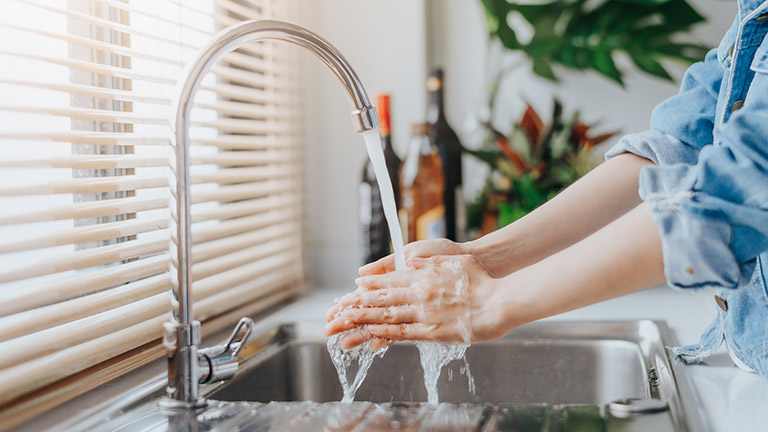
Hard water doesn’t hurt, but it might feel more abrasive, especially if you have sensitive skin. It’s also about how your skin feels after bathing. You might feel as though you have a sticky film over your body because you do—it’s all that soapy residue left behind because the hard water can’t rinse it off completely.
A lower-end water softener would cost around $900, not including installation. Each home has different requirements, water hardness, and number of inhabitants, so there’s a huge range in pricing—$600 to over $6,000. The average water softener repair bill is around $500, meaning it’s a much better option to repair any issues and only replace your softener if absolutely necessary.
The average cost to install a water softener, including the system and labor, is approximately $1,500. However, the total price can range widely from $600 to $6,000. For some complete systems, the cost may be between $800 and $2,500. Labor for the installation typically costs between $150 and $1,000.
The final price is influenced by several factors, including:
System type, capacity, and complexity
Home size and household water demands
Water hardness levels
Accessibility of the installation site and the extent of plumbing work required
Whether new electrical work is needed
The professional hired and any local permit costs
The Aneth, UT homeowners’ guide to water softener services
From average costs to expert advice, get all the answers you need to get your job done.
Water softeners work to remove unwanted minerals from hard water through a filtration and recharge cycle. Keep reading to learn how a water softener works.
There are four common softener alternatives available on the market today. We compare and contrast each one to help you find your best-fit solution in this blog.
Water softeners rid your home of hard minerals and, well, soften your water. Even better, the regeneration process is an automatic cycle that works when you’re least likely to use it.