




Top-rated radon detection and reduction specialists.

Get matched with top radon detection and reduction specialists in Tool, TX

Enter your zip and get matched with up to 5 pros

Need a pro for your radon detection and reduction project in Tool, TX?

Select your specific project to find the pro for you.

Find Radon detection and reduction specialists in Tool

Disaster Recovery Consultants
New to Angi

Serving Tool, TX and surrounding areas

Approved

Emergency services offered

Warranties offered

Credit card accepted

Disaster Recovery Consultants is a trusted provider of comprehensive testing and compliance services for asbestos, lead, and mold issues. Our expert team specializes in:\n\nAsbestos Management Services:\nComprehensive asbestos inspections\nAsbestos identification and sampling\nAmbient, personal, and clearance air monitoring for asbestos activities\nDevelopment of asbestos management plans\nLead Testing:\nLead management in commercial and residential settings\nLead sampling and content identification\nRegulatory compliance analysis for lead removal\nManagement of lead removal projects\nWe pride ourselves on professional, practical, and economical solutions to environmental concerns. Whether it’s mold, asbestos, or lead, count on Disaster Recovery Consultants for reliable expertise. 🌿🔍🏢\n
Avatar for Clear Environmental
Clear Environmental
4.2(
15
)

Serving Tool, TX and surrounding areas

In business since 2013

Free estimates

Warranties offered

"These guys are true professionals and true to their word. They did exceptional work and exactly what I asked of them. I would truly do business with this company again!"
Abatement
Abatement
Abatement
Abatement
Abatement

+7

Response time1 day
Recommended by91%of homeowners
Radon Detection and Reduction questions, answered by experts

Radon enters your home when warm air begins to rise and exits through the roof, creating a vacuum that pulls cooler air from under the foundation. Part of that air is radon, which is an invisible, odorless gas that develops naturally when radioactive particles are deep within the ground. Those particles usually come from decaying matter in soil and rocks.

Ideally, no one will live in a house with elevated radon levels, as prolonged exposure increases the risk of serious health issues like lung cancer. However, homes with radon can be made safe through mitigation systems, such as active soil depressurization. Testing for radon regularly and addressing high levels helps ensure a safe living environment.

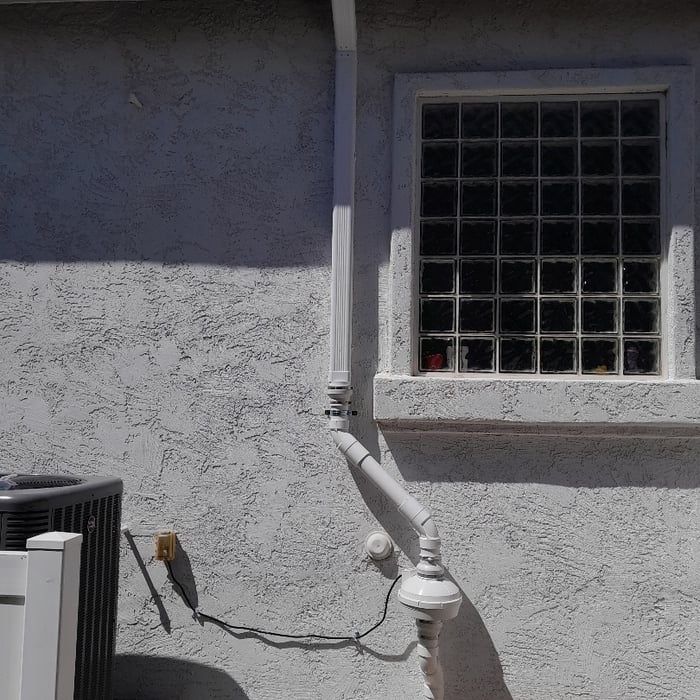
You can vent radon out of your house sometimes by simply opening a window, but it won’t remove the source, and will likely rise above recommended levels quickly. A professional will be needed to assess your home, and determine the best strategy for radon removal. Active radon sump pumps and soil depressurization systems are often used to forcefully vent the radon from your home.

No level of radon is technically safe, but since it is present everywhere, complete avoidance is impossible. The average radon level in homes across the United States is 1.3 picocuries per liter (pCi/L). The Environmental Protection Agency (EPA) recommends taking preventative measures if your home's radon levels are between 2 and 4 pCi/L or higher.

Your radon mitigation system may be loud because it’s time to replace it. Any sounds are usually from the inline fan that helps create the vacuum and resulting airflow. If you hear a new, loud mechanical or humming noise from your radon fan, it might be time to replace it. Most fans used in radon mitigation systems last up to 10 years, but may need to be replaced sooner.

The Tool, TX homeowners’ guide to radon detection and reduction services

From average costs to expert advice, get all the answers you need to get your job done.

What do you need done? We’ll find top pros.
  • 🌱 "Mow a small front yard"
  • 🛠 "Fix a leaking pipe under the sink"
  • 🏠 "Repair shingles on an asphalt roof"