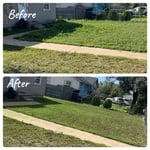
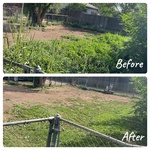
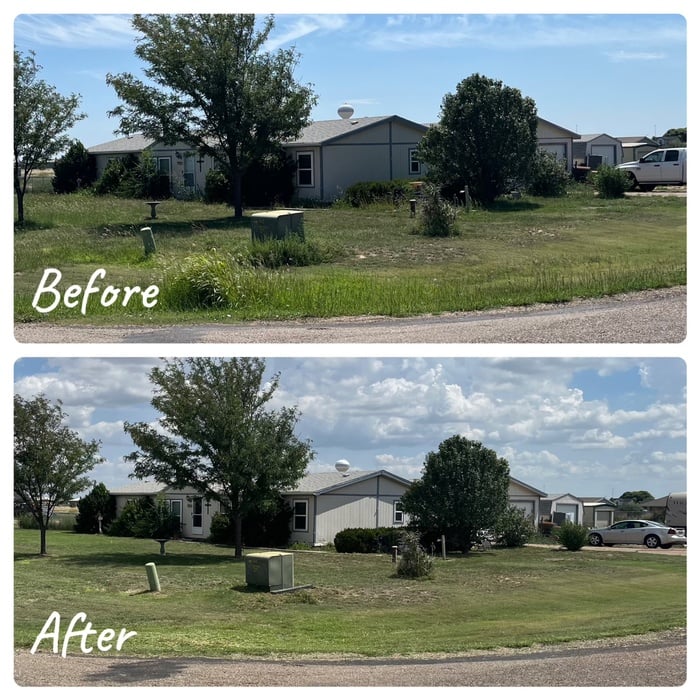
"The mowed, trimmed, edged, dethatched, aerated, and fertilized to prepare our yard for the season. They responded promptly when I requested an estimate and had the work done a day later. Very courteous, friendly, and knowledgeable."
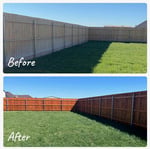
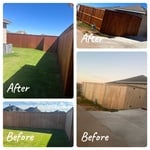
"Very polite and made sure his work was the best. We couldn't have been more pleased with the work. We are going to have him do the other side when we get ready for it."
"He and his workers came to the job quickly. They advised and helped with the supplies and worked steadily until the job was finished. I recommend them to anyone."
"Great! They arrived at the time they promised. They were careful around my shrubs. The brick and siding of the house looked great and I was shocked at the difference having the driveway pressure washed made. I have asked them to contact me every 6 months to have it done again."
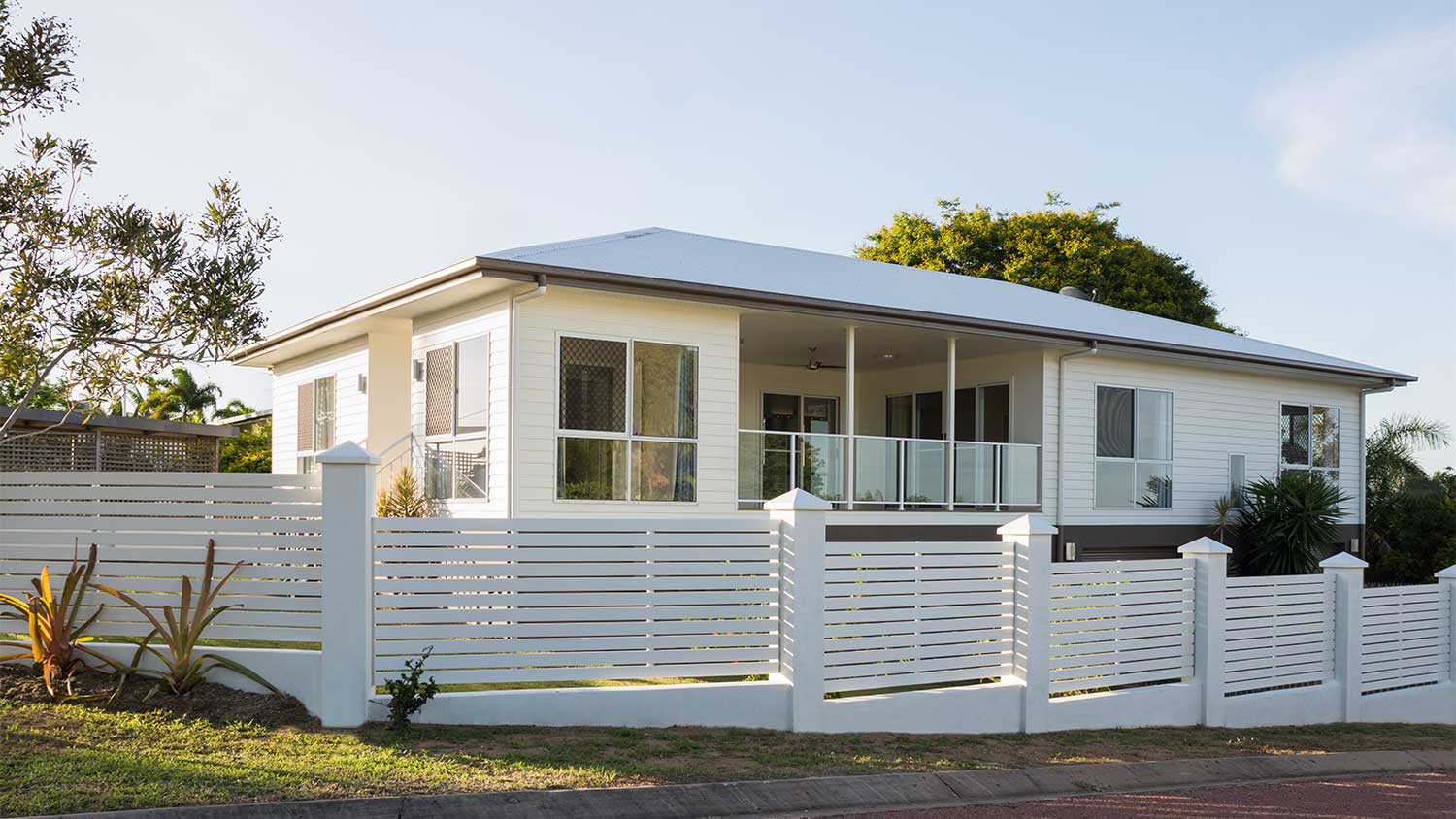
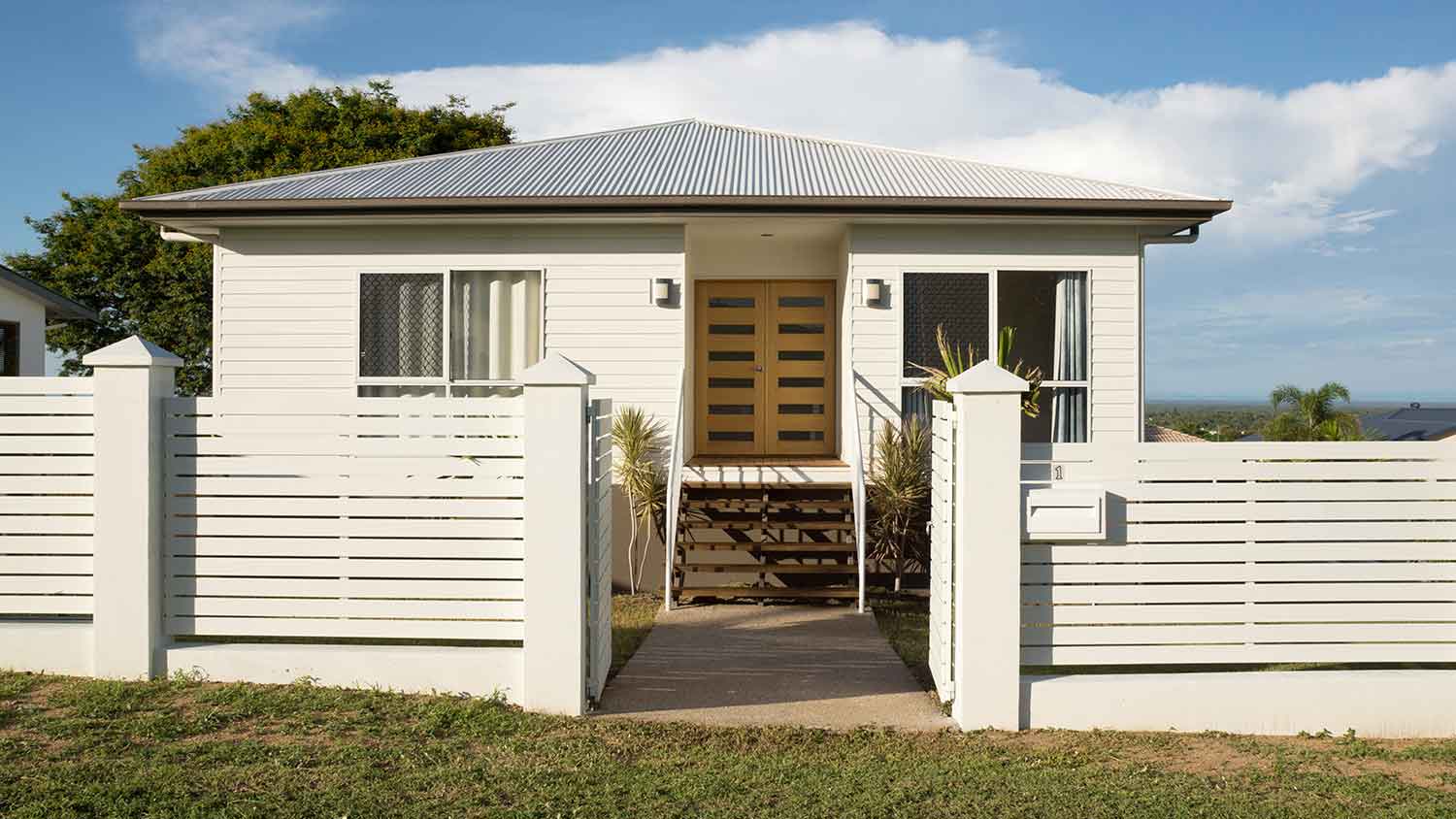
At DIY Construction, we?re proud to be a local, family-owned business serving our community. We specialize in fencing, porches, and awnings, delivering dependable workmanship and personalized service on every project.
"They are a pleasure to work with and do outstanding work with attention to detail. Javier (who was once a building inspector in Harris County) is a perfectionist."
A wrought iron fence is generally considered a worthwhile investment, provided the cost fits your budget and its characteristics meet your needs. While it is an expensive material, its exceptional durability and longevity mean you can save money over time by not having to replace it.
Key benefits include:
Durability and Security: Wrought iron is strong and provides excellent security for your home.
Longevity: With proper maintenance, it can last a lifetime or longer.
Aesthetics: It offers a classy, timeless, and elegant look that can boost your home's curb appeal and property value, especially when complementing brick or stone architecture.
However, it's important to note that wrought iron fencing does not offer much privacy. If professionally installed and maintained, it is a sound long-term investment.
Paint your fence, install customized fence slats, or attach a bamboo screen for a more appealing yard aesthetic. Paint can give your yard a unique and fun look, and adding fence slats gives you a classic fence appearance. Bamboo screens are probably the most unique option that can add a fun vibe to your space.
The best vinyl fence style for your yard depends on your needs, form and function-wise. For example, a classic vinyl picket fence in your front yard helps contain kids and canines while offering views of your neighborhood. But a more expensive privacy fence creates a secluded backyard oasis for family gatherings. Opt for a ranch-like post and rail vinyl fence if you want to carry on your rustic farmhouse vibes.
Yes, in many cases, homeowners insurance covers the cost to repair or replace a fence. Home insurance policies typically protect your home and other structures on your property, which often includes fences. If the fence is damaged by a covered event, such as a storm, fire, or vandalism, your insurer may cover some or all of the cost. However, coverage does not extend to damage caused by natural wear and tear, owner negligence, insufficient maintenance, or improper installation.
You can use soil and gravel instead of concrete when setting fence posts. However, concrete is more durable and longer lasting, so it's worth considering if you want your fence to withstand the test of time. You should especially consider concrete if you live in a region that experiences severe weather, which can damage your fence.
The Spearman, TX homeowners’ guide to fencing services
From average costs to expert advice, get all the answers you need to get your job done.
Chain-link fences are among the most affordable options available. Use this chain link fence cost guide to see what your fence installation will total.
Fence repair costs depend on the extent of damage, your fence's material, and how much of the fence you need to fix. Explore all the price factors in this guide.