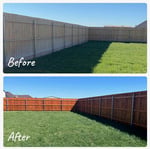
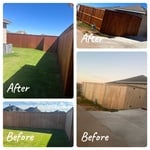
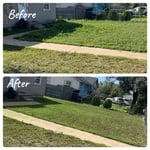
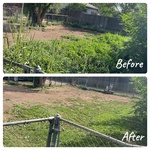
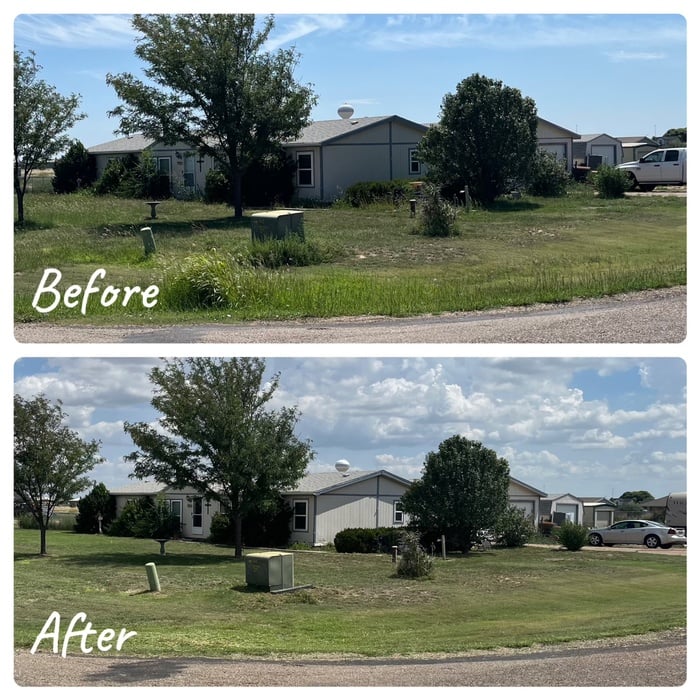
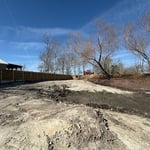
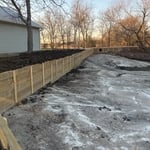
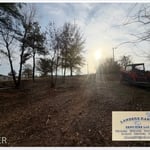
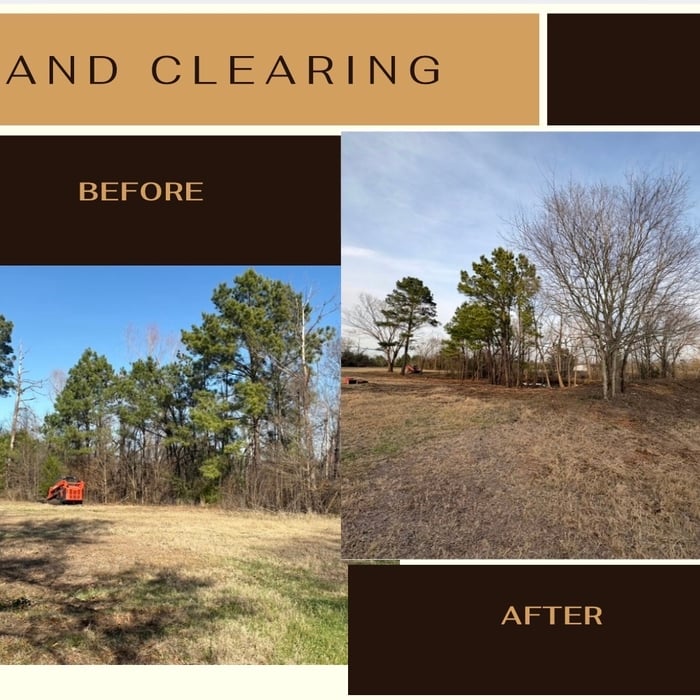
"Friendly, knowledgable, honest, Showed up on time. My yard looks awesome now. I wish I had hired Off the Court property Maintenance earlier in the summer. Definitely 5 out of 5 stars"
I bring plenty of experience over 15 years, sprinkler repairs, Tree trimming, shrub pruning, lawn care, I also can provide yard clean ups, gardening, junk removal, fair prices, I am local so say day services or the next.
"The people here are truly wonderful. They listened to my needs and gave me a fair price. I am so happy with their professionalism and their care on my home's project that I would call them again in an instant for future work needing to be done. This company is one I feel you can really trust and to me that's priceless."
Palm trees are relatively easy to grow, especially when planting different varieties in their native habitats. While regular watering is crucial in the first couple of months while the palm develops a strong root ball, palms typically require minimal maintenance once they’re established. You’ll need to prune palm fronds once or twice per year to keep it in tip-top shape.
Xeriscaping can be more affordable than traditional landscaping, but it depends on your landscape design. However, you will save on water. If you live in an arid climate or a location prone to droughts, xeriscaping is an especially efficient way of reducing your lawn’s water demand without detracting from the beauty of your yard.
Determining how many boulders you’ll need for your landscaping project depends on the area you need to cover and how big each boulder is. First, you’ll need to determine how big of an area you want covered, then divide that by the base surface area of the boulders. A landscape professional can help you determine how many boulders will be right for your project.
You should use mulch because it protects garden soil in a few key ways. This extra layer between the ground and the elements protects against erosion, helps your soil maintain moisture, regulates changes in temperature, adds nutrients as it decomposes, and keeps weeds at bay.
The best type of rock for landscaping depends on your specific project and needs, as different rocks are suited for different applications. For covering large areas or creating an affordable driveway, consider gravel, but note that it can wash away in flowing water. For water features, river rocks are a good option. Flagstone and cobblestone are ideal for aesthetically pleasing patios and walkways. If you are building a stone wall, fieldstone or small boulders are up to the task. Large boulders and landscape rocks work well as statement pieces, to fill empty space, or to indicate boundaries, but be mindful that they can overwhelm smaller gardens. The best approach is to first define your landscaping project and then select the rock type that best fits that purpose.
The Spearman, TX homeowners’ guide to landscaping services
From average costs to expert advice, get all the answers you need to get your job done.
A landscape designer can elevate your outdoor space and bring your vision to life. Use this landscape design cost guide to budget for your next project.
A good landscaping website can help you land more sales and build your credibility. Read our list of must-have pages and ideas for your website to help potential clients find you and drive more business for your lawn care company.