



Top-rated electricians.

Get matched with top electricians in Saint Jo, TX

Enter your zip and get matched with up to 5 pros

Need a pro for your electrical service project in Saint Jo, TX?

Select your specific project to find the pro for you.

Find Electricians in Saint Jo

Avatar for Tri-State Water, Power & Air
Tri-State Water, Power & Air
5.0(
5
)
Fixed Generator - InstallGenerator - InstallGenerator - Install - For Business

Serving Saint Jo, TX and surrounding areas

Approved (Corporate)

In business since 1992

Free estimates

Emergency services offered

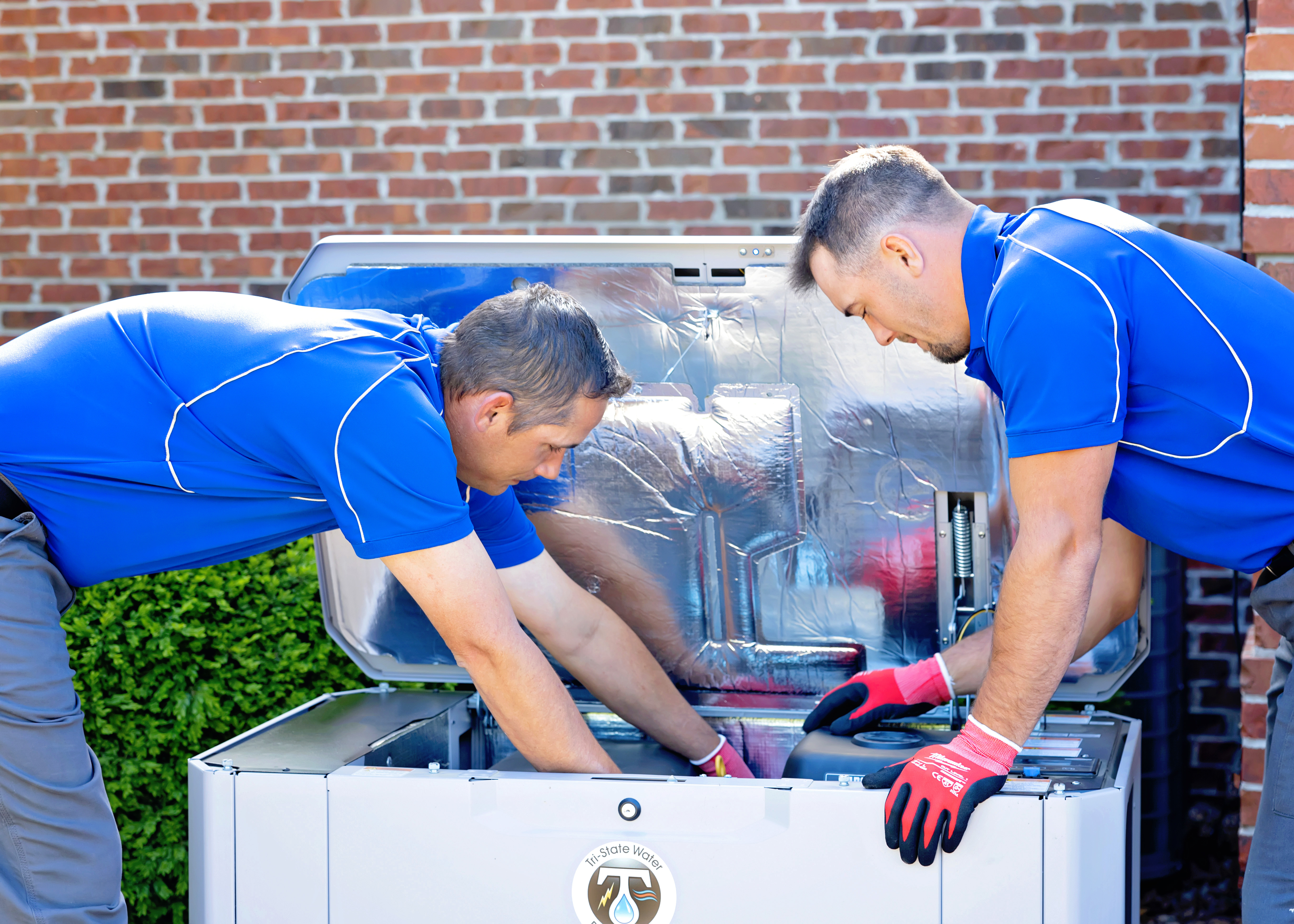
Tri-State Water, Power & Air has been provided products designed to improve the comfort and quality of life of our customers since 1992. Our specialty is Automatic Home Standby Generators. \nWe expect customer service excellence and aim to go above and beyond on every call. With 10 locations across 8 states, Tri-State is always ready to serve you.

Additional Photos
109 neighbors recently requested a quote

Avatar for Certified Lightning Protection, Inc.
Certified Lightning Protection, Inc.
4.8(
9
)
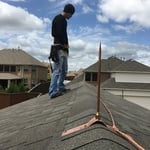
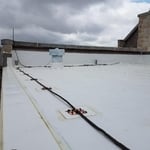
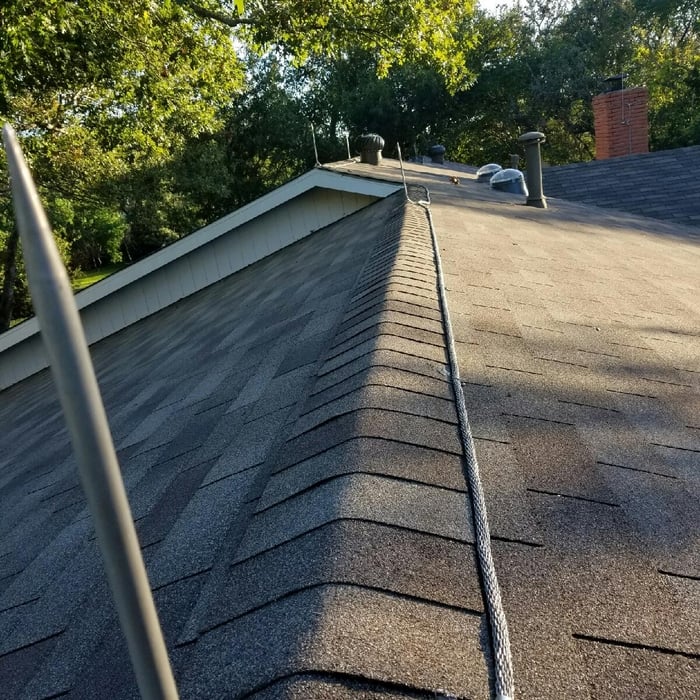
Lightning Protection - Install or Repair

Serving Saint Jo, TX and surrounding areas

Approved

In business since 2018

Free estimates

Credit card accepted

"These guys helped me on a project and did a wonderful job. They have been doing lightning protection forever and know their stuff! I highly recommend Certified."
North Star Bank
Residence
Residence
Response time12 hrs
5 neighbors recently requested a quote

Recommended by87%of homeowners
...
Showing 1-10 of 72
Electrical questions, answered by experts

How far you can run underground electric depends on the wire gauge (generally AWG) and the circuit voltage. Too much voltage drop in an electrical circuit can negatively affect performance, so the smaller the voltage drop, the better. Ideally, it shouldn't exceed 3%. The smaller the wire and the longer the run, the more significant the voltage drop. 

For example, with a 120-volt circuit, you can run 60 feet of 12 AWG cable without losing more than 3% voltage. With a 240-volt circuit, you can run 120 feet of 12 AWG wire while maintaining a voltage drop of 3% or less.

If the electrical wires you’re working with are too short, one of the easiest ways to elongate it is to extend them with a push-in connector. These user-friendly tools help you splice two wires together with little fuss or the need for extra tools, like a crimping tool, which is an older way of extending wires. As long as you can stripe the ends of a wire, using a push-in connector shouldn’t be an issue.


Whole-house generators can run continuously for extended periods, even for weeks at a time (around 400 to 500 hours), as long as they have a sufficient fuel supply. However, this type of extensive use will increase wear and tear and can shorten the generator's overall lifespan. During long periods of operation, it's important to check and refill the engine oil as needed, potentially as frequently as daily depending on the model. If your generator uses a fuel tank, ensure it is kept full to prevent unexpected shutdowns.

Yes, it’s safe to strip a wire if you follow the proper safety precautions. First and foremost, you must always disconnect the power and never try stripping a live wire. Using wire strippers is another safety precaution, but don’t forget to keep your fingers away from the blade. It’s also critical you only remove the insulation and not accidentally cut into the conductor, which is unlikely as long as you’re using the right-sized wire stripper.

You should never wire neutral and ground wires together at a light switch. Not only is it unsafe, but it’s also incorrect. The neutral and ground wires perform separate functions in an electrical circuit and should never be swapped or wired together at a light switch, light, or outlet. 

The Saint Jo, TX homeowners’ guide to electrical services

From average costs to expert advice, get all the answers you need to get your job done.