



Top-rated electricians.

Get matched with top electricians in Healdton, OK

Enter your zip and get matched with up to 5 pros

Need a pro for your electrical service project in Healdton, OK?

Select your specific project to find the pro for you.

TRUSTED BY HEALDTON, OK HOMEOWNERS

  • Average homeowner rating star icon3.7
    Average homeowner rating
  • Verified reviews icon25
    Verified electrical services reviews

Find Electricians in Healdton

Avatar for Corrigan, LLC
Corrigan, LLC
4.8(
25
)

Serving Healdton, OK and surrounding areas

Approved

In business since 1954

Free estimates

Emergency services offered

"They were very professional, courteous, and honest. I would recommend them over and over again. Their price was very reasonable."
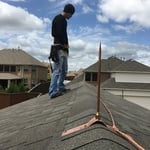
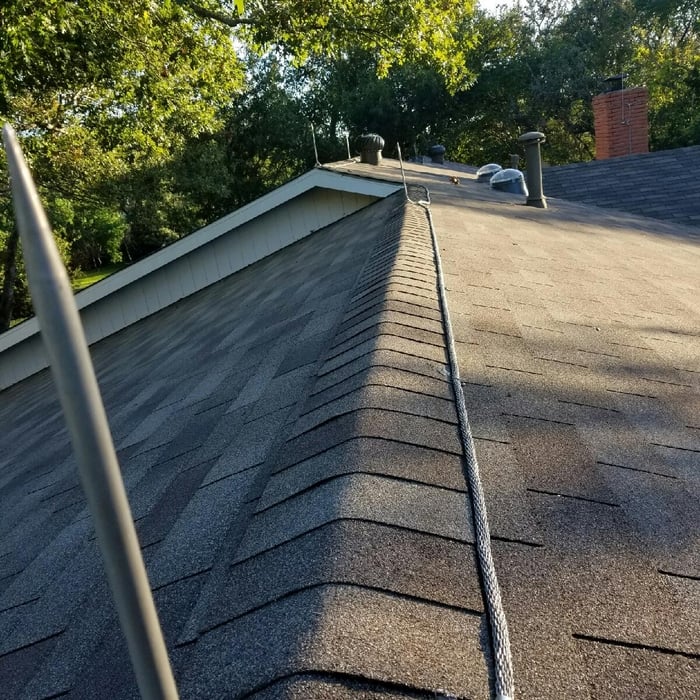
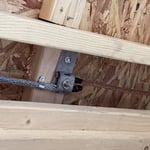
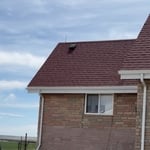
Shingle roof air terminal
Residential 1
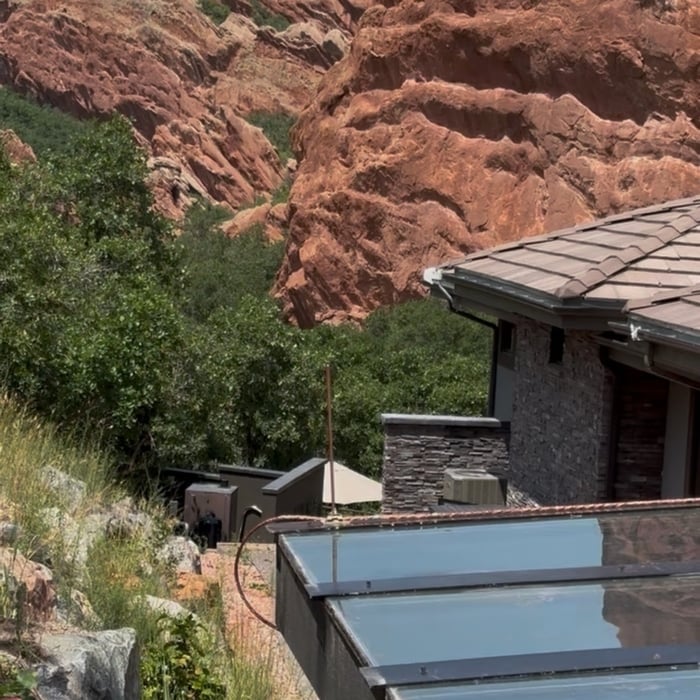
Residential Spanish tile
Horse stable
Residential 2

+23

Response time1 day
17 neighbors recently requested a quote
Recommended by100%of homeowners

Avatar for Donohue's Lightning Rods
Donohue's Lightning Rods
4.3(
70
)

Serving Healdton, OK and surrounding areas

Approved

In business since 1971

Free estimates

Emergency services offered

"Sent engineering drawings for review prior to starting work worked over the weekend to beat the insulation schedule on a new build."
Jobs from the last 3 year
Lightning protection

+10

Response time1 day
92 neighbors recently requested a quote
Recommended by96%of homeowners

Avatar for Neli Virtual Appliance Repair
Neli Virtual Appliance Repair
4.2(
662
)

Serving Healdton, OK and surrounding areas

Approved

In business since 2016

Free estimates

Warranties offered

"The problem turned out to be a burned out small electric door switch. I believe the price was way too expensive for the service performed and the price of the door switch. What more can I say? It got done."
Additional Photos
Additional Photos
Additional Photos
Additional Photos
Additional Photos

+2

Response time1 day
Recommended by88%of homeowners

...
Showing 1-10 of 57
Electrical questions, answered by experts

They’ll use more electricity than the average upright vacuum, but not remarkably more. Most power units plug into a standard 120-volt outlet and don’t have significant power demands. You shouldn’t notice an increase in electricity bills. If you have any specific questions about energy costs, ask your installer as you examine purchase decisions. Larger power units will need more electricity for their suction levels.

Most standard residential water heaters, which are typically around 40 gallons and use 240 volts and between 3,500 and 5,500 watts, require a 30-amp, two-pole circuit breaker. For smaller, point-of-use water heaters using 120 volts and between 1,500 and 3,000 watts, a 30-amp breaker is also often adequate. However, some models may have different needs; units that use more watts than average may require a 40-amp breaker, while smaller units might only need a 20-amp breaker. Newer, tankless, or more energy-efficient models can also require a higher amperage. Having the correct breaker size is crucial for safe and efficient operation, so it's best to consult a licensed electrician to determine the specific needs of your water heater.

The easiest way to determine the amperage of your electrical outlets is to check the corresponding breaker in your home’s breaker panel. The number is likely noted on the circuit breaker. If that fails, it’s possible to tell 15-amp and 20-amp outlets apart by looking at them. Fifteen-amp outlets have two vertical holes, while 20-amp outlets have one vertical hole and one T-shaped hole. 

If you’re wondering whether an electrical panel in the bathroom needs to be moved, the answer is yes. Due to the risks of shocks and electrical fires, electrical panels cannot be located in bathrooms per National Electric Code Volume 70. Additionally, gasses, vapors, liquids, and temperature fluctuations can all compromise the functionality of your electrical panel, so it’s important to install it in a dry, cool, safe, and easily accessible location.

Sprinkler valves typically have 16 AWG or 18 AWG wires. AWG, or American Wire Gauge, is the standard measurement for wire gauge sizing in the U.S. The gauge is the thickness of the wire, with higher AWG numbers indicating thinner wires. You can find the gauge measurement in your sprinkler system’s user manual or on the sprinkler manufacturer’s website.

The Healdton, OK homeowners’ guide to electrical services

From average costs to expert advice, get all the answers you need to get your job done.