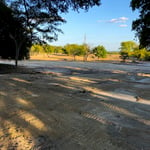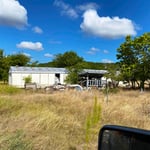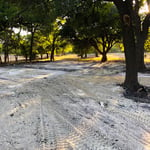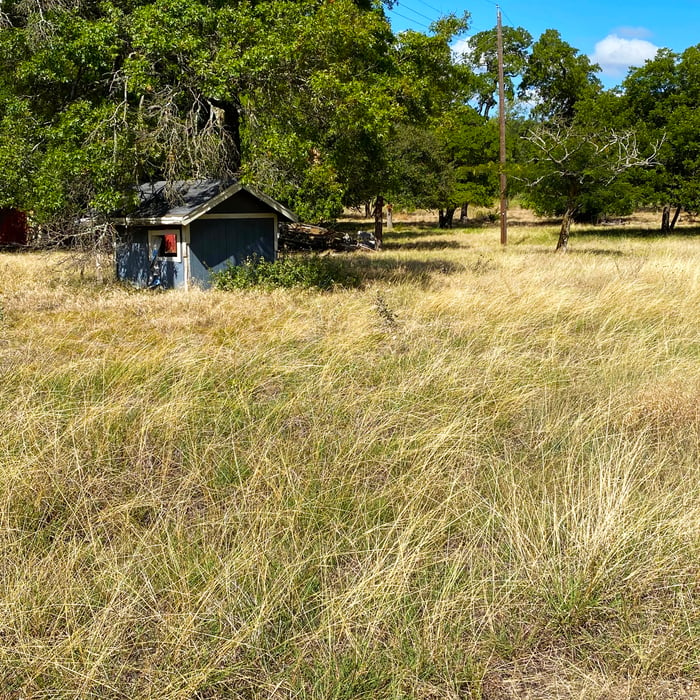




Top-rated excavation pros.

Best excavation pros near Rollingwood, TX

Enter your zip and get matched with up to 5 pros

Need a pro for your excavation project in Rollingwood, TX?

Select your specific project to find the pro for you.

TRUSTED BY ROLLINGWOOD, TX HOMEOWNERS

  • Average homeowner rating star icon4.7
    Average homeowner rating
  • Verified reviews icon38
    Verified excavation services reviews

Top-Rated Excavation pros in Rollingwood - Updated Nov 2026

Avatar for CQS Construction, LLC
CQS Construction, LLC
4.9(
54
)
Building Site - Preparation and ClearingBuilding Site - Preparation and Clearing - For BusinessExcavation - Major Grading or Resloping+1 more

Serving Rollingwood, TX and surrounding areas

Approved

In business since 2018

Free estimates

Emergency services offered

"We hired CQS Construction for a smallish exterior landscaping/electrical project, and their service was top notch. The crew was available right away, and they spent the time necessary to properly diagnose the problems with our exterior landscape lighting, replace the faulty equipment, and make other necessary repairs. We will definitely hire this contractor again. I highly recommend them."
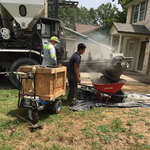
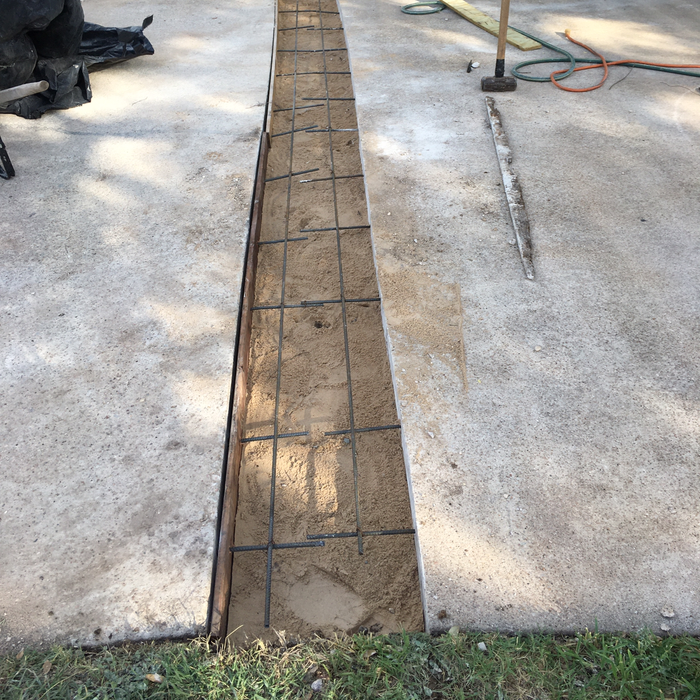
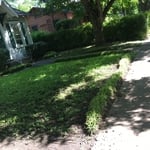
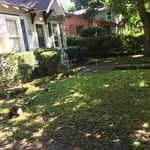
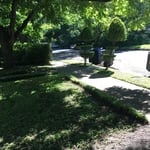
Project Photos
Project Photos
Project Photos
Project Photos
Project Photos

+179

Response time9 hrs
5 neighbors recently requested a quote
Recommended by86%of homeowners

Avatar for Castro Family Landscaping
Castro Family Landscaping
5.0(
10
)
Landscape - Minor Grading or Resloping

Serving Rollingwood, TX and surrounding areas

Approved

In business since 2015

Free estimates

Emergency services offered

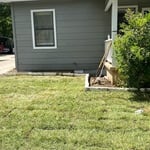
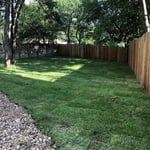
"They did tree trimming, beautiful limestone edging and sodding. They also patched a few areas with remaining sod. Good communication and professional work. Reasonable price. Would use again."
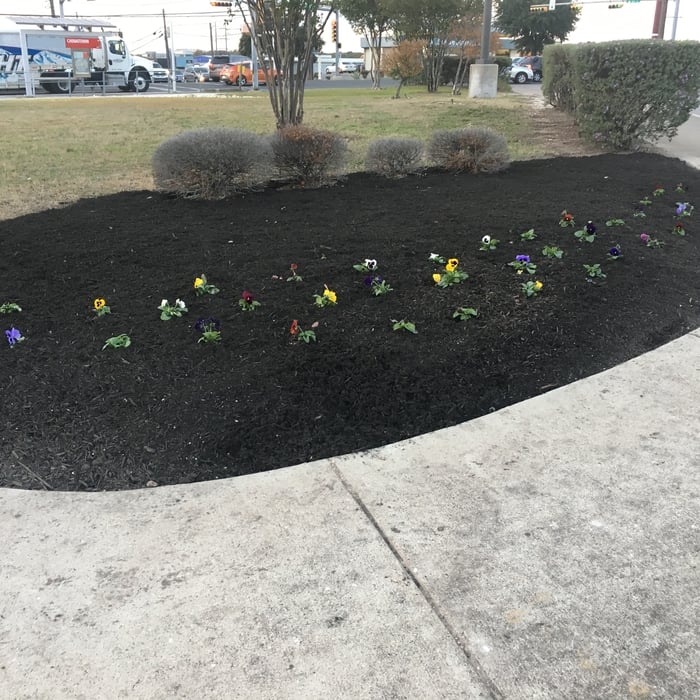
SOD Installation
Backyard SOD Installation
Tree Trim
Property Maintenance
SOD  Installation

+6

Response time1 day
Response rate96%
1 neighbors recently requested a quote
...
Showing 1-10 of 379
Excavating FAQs, answered by experts

Most professional excavation teams will charge between $8 and $15 per cubic yard. Calculate the cost by finding the volume of your pool—width x length x depth—and dividing it by 27. Then, multiply the price by the cubic yards from your equation. Budget for complications like a rocky lawn, hard-to-access pool area, or high local labor prices.

The cost to repair a crawl space runs between $1,500 and $15,000, depending on the extent of the damage. Major flooding or water repairs can cost up to $10,000 for removal and repairs. If you simply need to clean your crawl space, expect to pay between $2,000 and $6,000 for a major cleanout. Replacing a crawl space beam due to rot or damage can cost between $1,500 and $5,000, while removing and replacing damaged insulation costs between $1,000 and $4,000.

No, you typically cannot use metal detectors to find your sewer line. Most sewer lines are made of non-metallic materials such as PVC, clay, or cast iron, which are not detectable by standard metal detectors. Metal detectors are designed to locate metallic objects, so they won't be effective for identifying the path of a non-metallic sewer line. To locate your sewer line accurately, it's best to use other methods.

There are several methods to hollow out a tree stump, and the best one depends on your tools, experience, and priorities. Common methods include using a chisel and hammer, a chainsaw, or burning.

  • Chisel and Hammer: This is often considered the easiest approach for those with limited tools or experience, though it is the most time-consuming.

  • Chainsaw: Using a chainsaw is the fastest method, but it comes with significant safety risks, especially for inexperienced users.

  • Burning: This can be an effective method, but it is not recommended unless you can first drill holes into the stump. Without holes, the stump will be difficult to light and may not burn completely through.

A power drill with at least a ⅜-inch diameter bit can make the job quicker and easier, regardless of the primary method. While you can use a chisel or chainsaw without a drill, it will require more time and effort. Always wear protective goggles and thick gloves, as splinters are an inevitable risk.

The best type of soil to build on is a mixture of sand and clay, known as loam soil. Loam soil has the best combination of these soil types to build a foundation on. The clay particles help with water retention, so it won’t erode like sandy soil might, and the sandy particles help with drainage, so you won’t see unsafe soil expansion or have an increased risk of leaks from water sitting against your foundation.

The Rollingwood, TX homeowners’ guide to excavation services

From average costs to expert advice, get all the answers you need to get your job done.