







Top-rated fire pit installation pros.

Get matched with top fire pit installation pros in Parker, TX

Enter your zip and get matched with up to 5 pros

Need a pro for your fire pit installation project in Parker, TX?

Select your specific project to find the pro for you.

TRUSTED BY PARKER, TX HOMEOWNERS

  • Average homeowner rating star icon4.4
    Average homeowner rating
  • Verified reviews icon2.4k+
    Verified fire pit installation services reviews

Find Fire pit installation pros in Parker

No results for Fire pit installation pro in

Try adjusting your search criteria.
Fire Pit Installation questions, answered by experts

Chimney caps are necessary both from a building safety standpoint in most municipalities and to keep your home protected from a variety of issues. Chimney caps are not only mandated by building code in most areas, but they also serve to keep squirrels, raccoons, and other pests out of your home, as well as snow and rain. Therefore, they help to avoid property damage, making them a worthwhile investment.

Fire doors are constructed to have certain resistance levels regarding fire. A traditional door can typically resist fire for less than one minute, whereas fire doors can resist it for 30 to 120 minutes, depending on the fire door rating. Fire doors give you and your family a better chance of safely escaping during a fire than standard doors. 

It’s technically possible in some areas to install your own fire suppression system, but it’s usually not a good idea. Your system must conform to the fire code in your area and will need to pass a rigorous inspection before being activated and deemed safe. Installing a fire suppression system is a complicated job, and making mistakes as a DIYer is likely. Those mistakes can cause you to fail your inspection, which means you’ll have to spend more time fixing the issues or money to have a certified plumber do the work for you. It’s best to hire a professional.

Yes, a chimney damper is necessary. It controls airflow in and out of your fireplace, helping to retain heat when closed and allowing smoke to escape when open. Without a damper, your home could lose warmth during cold months, leading to higher energy bills. It also helps prevent downdrafts and keeps animals or debris from entering the chimney. In short, it’s essential for efficiency and safety.

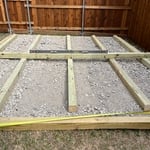
Most homeowners put a layer of compact sand or gravel at the bottom of their firepit, but you can also choose more decorative options like fire-resistant paving stones, bricks, or fire pit glass. Dirt by itself can even work, but other materials do a better job of spreading the heat around.
The Parker, TX homeowners’ guide to fire pit installation services

From average costs to expert advice, get all the answers you need to get your job done.