



Top-rated excavation pros.

Best excavation pros near Nixon, TX

Enter your zip and get matched with up to 5 pros

Need a pro for your excavation project in Nixon, TX?

Select your specific project to find the pro for you.

Top-Rated Excavation pros in Nixon - Updated Nov 2026

Avatar for First Shot Land Services
First Shot Land Services
5.0(
3
)
Building Site - Preparation and ClearingBuilding Site - Preparation and Clearing - For BusinessLandscape - Minor Grading or Resloping

Serving Nixon, TX and surrounding areas

Approved

Super Service Award Winner

In business since 2012

Free estimates

Emergency services offered

"Sure! Here’s a professional and positive review for a tree removal service—you can adjust the tone or add specifics (like company name, location, or type of tree) if you’d like: ⸻ ⭐️⭐️⭐️⭐️⭐️ Excellent Tree Removal Service! We hired this company for tree removal, and the experience was outstanding from start to finish. They were professional, punctual, and clearly knew what they were doing. The crew worked quickly and safely, and they took great care to avoid damaging the surrounding property. Clean-up was thorough—by the time they left, you’d never know there was ever a tree there! Their pricing was fair, and communication was excellent throughout the process. Highly recommend for anyone needing reliable tree removal."
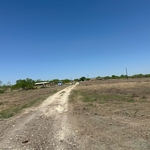
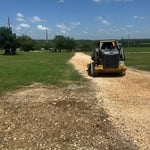
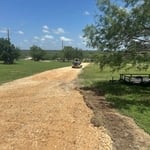
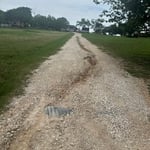
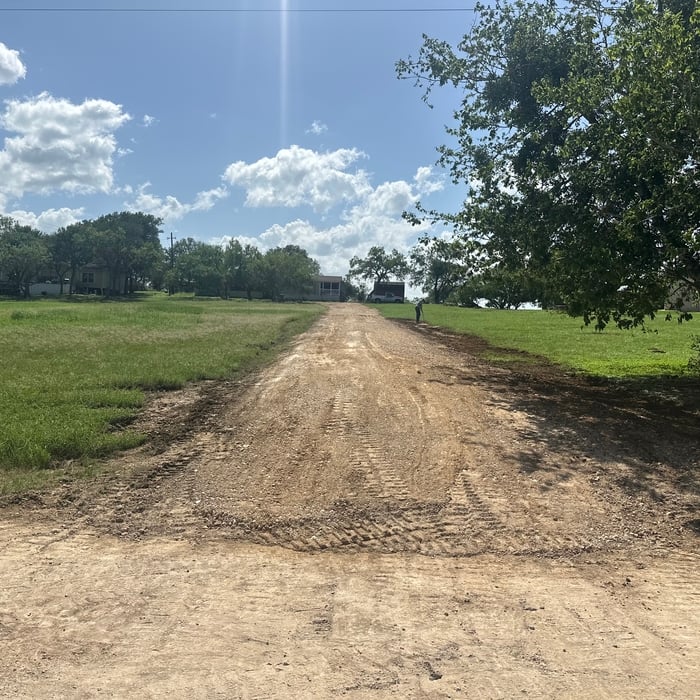
Land Clearing
Packing in Road
Packing in Road
Original road
Grading

+1

Response time1 day
1 neighbors recently requested a quote
Avatar for ESC Services
ESC Services
5.0(
1
)
Landscape - Minor Grading or Resloping

Serving Nixon, TX and surrounding areas

Approved

Free estimates

Emergency services offered

Small jobs welcome

ESC Services is your lifetime property solution partner. We offer a wide range of services for your property from material removal and demolition to land clearing and site prep. We welcome all projects big or small.

4 neighbors recently requested a quote
...
Showing 1-10 of 102
Excavating FAQs, answered by experts

Trenches are typically 12 to 24 inches deep and 8 inches wide. However, the required depth depends on the specific project and local ordinances. For example, a French drain may need to be 18 inches deep, while a water pipe might require a depth of 24 inches and a drainage pipe 36 inches. Your city or county may have specific regulations, so it's wise to consult with an excavation professional to determine the correct depth for your project.

Excavations take a few days or up to a few weeks. The time it takes to excavate an area depends on the size of the area, the type of soil, the type of excavator, and even the time of year, since winter can make digging up the ground more difficult.

There are several methods to hollow out a tree stump, and the best one depends on your tools, experience, and priorities. Common methods include using a chisel and hammer, a chainsaw, or burning.

  • Chisel and Hammer: This is often considered the easiest approach for those with limited tools or experience, though it is the most time-consuming.

  • Chainsaw: Using a chainsaw is the fastest method, but it comes with significant safety risks, especially for inexperienced users.

  • Burning: This can be an effective method, but it is not recommended unless you can first drill holes into the stump. Without holes, the stump will be difficult to light and may not burn completely through.

A power drill with at least a ⅜-inch diameter bit can make the job quicker and easier, regardless of the primary method. While you can use a chisel or chainsaw without a drill, it will require more time and effort. Always wear protective goggles and thick gloves, as splinters are an inevitable risk.

Trenching and boring are two distinct methods for installing underground utilities. Trenching involves digging a channel using equipment like an excavator, trencher, backhoe, or shovel. While it is a simpler process, it causes significant disruption to the surface, landscaping, and surrounding ecosystems.

Boring, also known as directional boring, is a less invasive alternative that uses a drill to create a tunnel for utility lines without disturbing the surface. This method is more precise and is ideal for installations that need to go underneath buildings, roads, or bodies of water. Although boring is less disruptive, it is generally more expensive than trenching.

Directional drilling is complex and requires training to use the advanced machinery. It can be challenging to monitor the position of the drill since there’s no direct line of sight. Directional drilling can also be more expensive with a cost of $10 to $30 per linear foot compared to $5 to $12 per linear foot for trenching. 

The Nixon, TX homeowners’ guide to excavation services

From average costs to expert advice, get all the answers you need to get your job done.