"Well. Only problem was delay in response time after claim was filed online. Water tank started leaking Thanksgiving morning and no reply until I called the Regional Manager."
"Takes for ever to get a return a call. Also took a week to get someone out for repairs. They said they would reimburse me for septic repairs and it took over 3 months for that to happen."
James Batts has been in business since 1981 and is a master plumber. He takes great pride in providing his customers with quality work at a great price. This has built him a strong reputation for customer satisfaction. Allow him to show you how his commitment to personal service and expertise will help you with all of your plumbing needs.
You can add three rotten tomatoes or 1/4 ounce of yeast to your septic tank to speed up the decomposition of sludge. You can add the tomatoes by way of your garbage disposal and the yeast by way of your toilet. You can do either of these additives once every three months as needed.
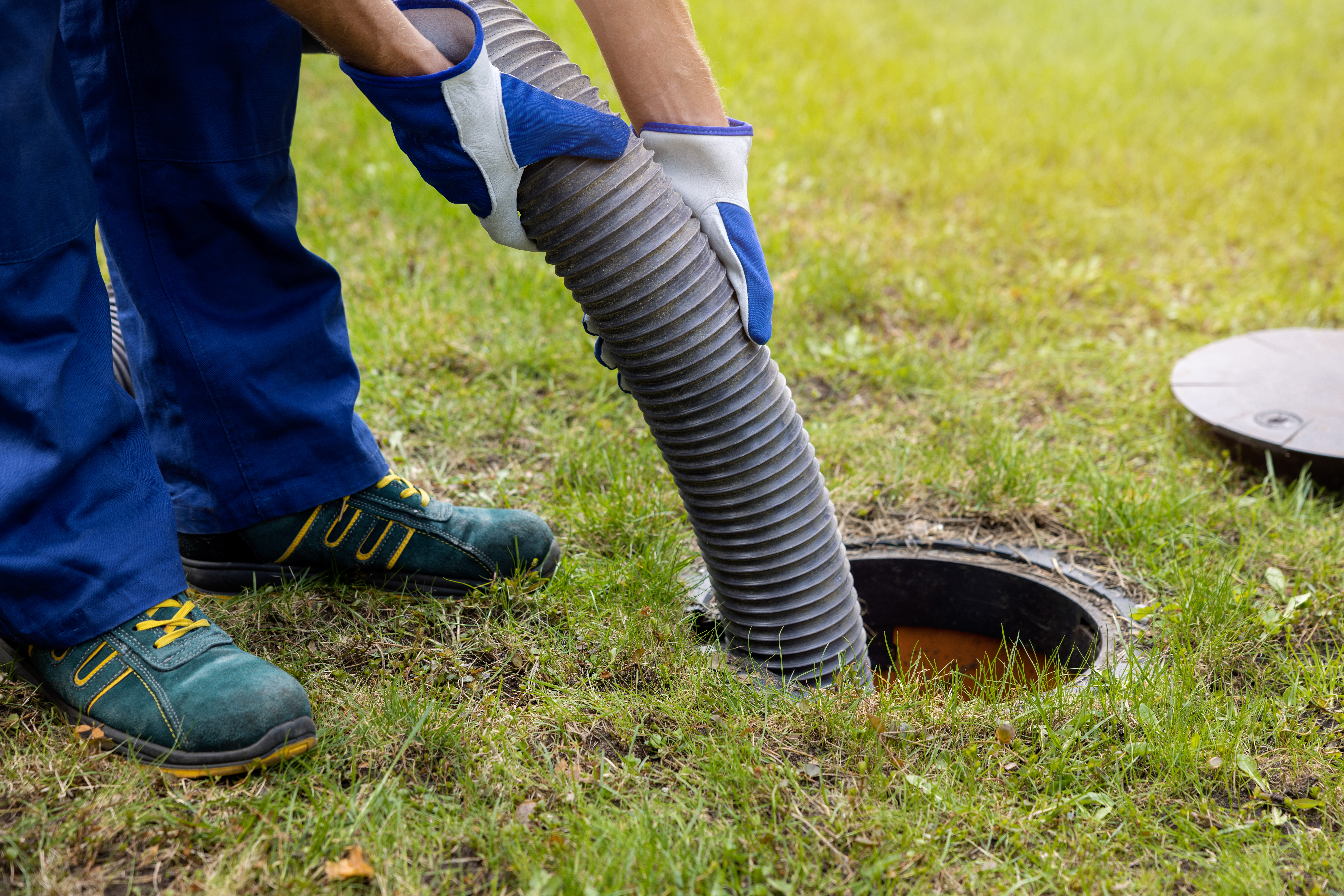
The best way to keep a septic tank clean is to hire a local septic tank cleaner to inspect and pump the septic tank every three to five years. Be sure to only flush human waste and toilet paper down the toilet, and don’t pour grease, oil, fats, coffee grounds, or food scraps into your drains.
The depth of your septic tank has nothing to do with its size. In fact, some septic tanks can even be installed above-ground! Like other sizes, a 1,000-gallon septic tank could be buried as shallow as 4 inches below the ground or as deep as 4 feet. It all depends on your specific property.
The size of your water well pressure tank is limited only by your budget and the amount of space you have to use. Larger tanks can hold more water, meaning your well pump will need to cycle less often. This can extend the life of both the pressure tank and your well pump. Larger tanks cost more and take up more room, though.
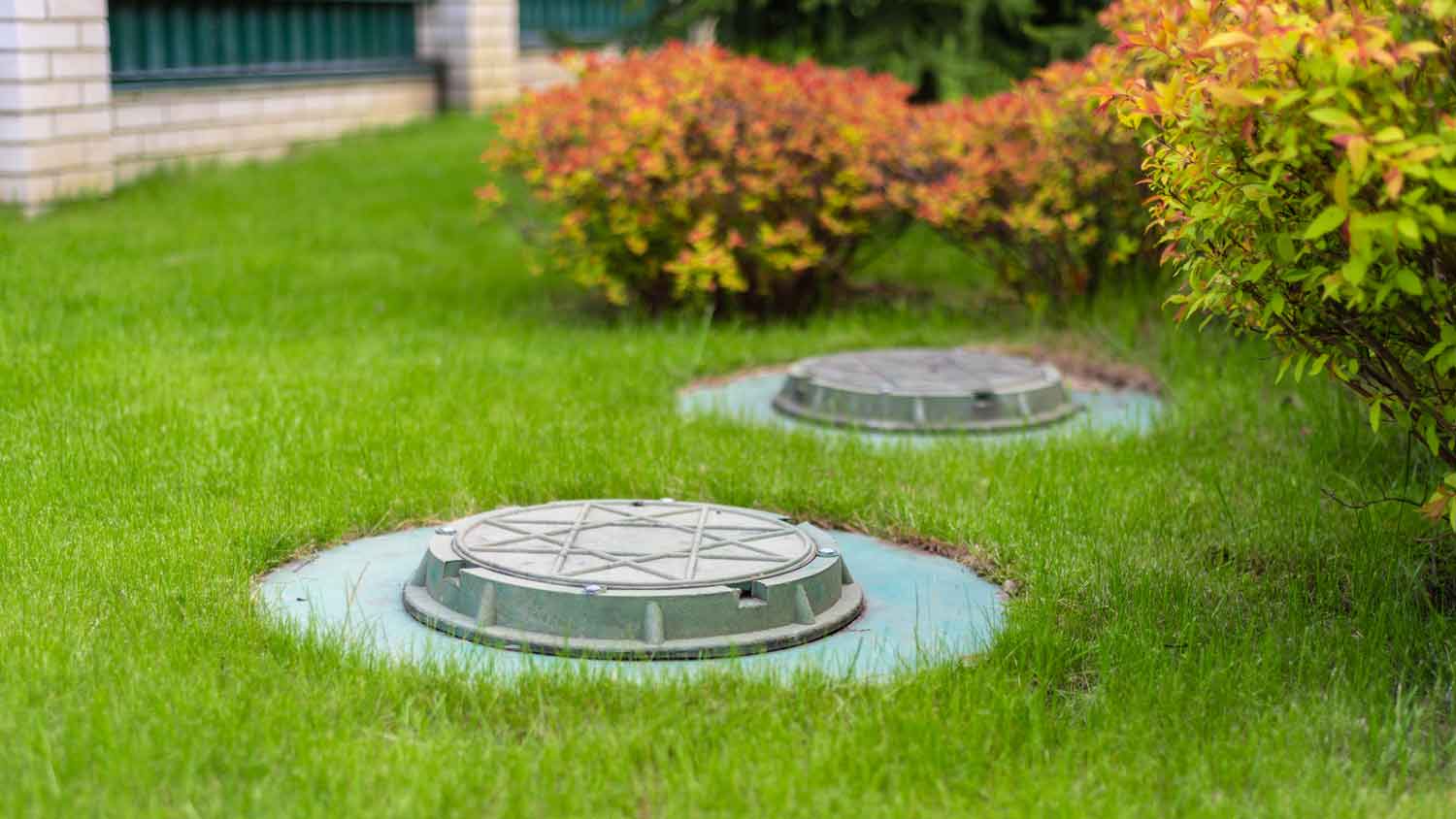
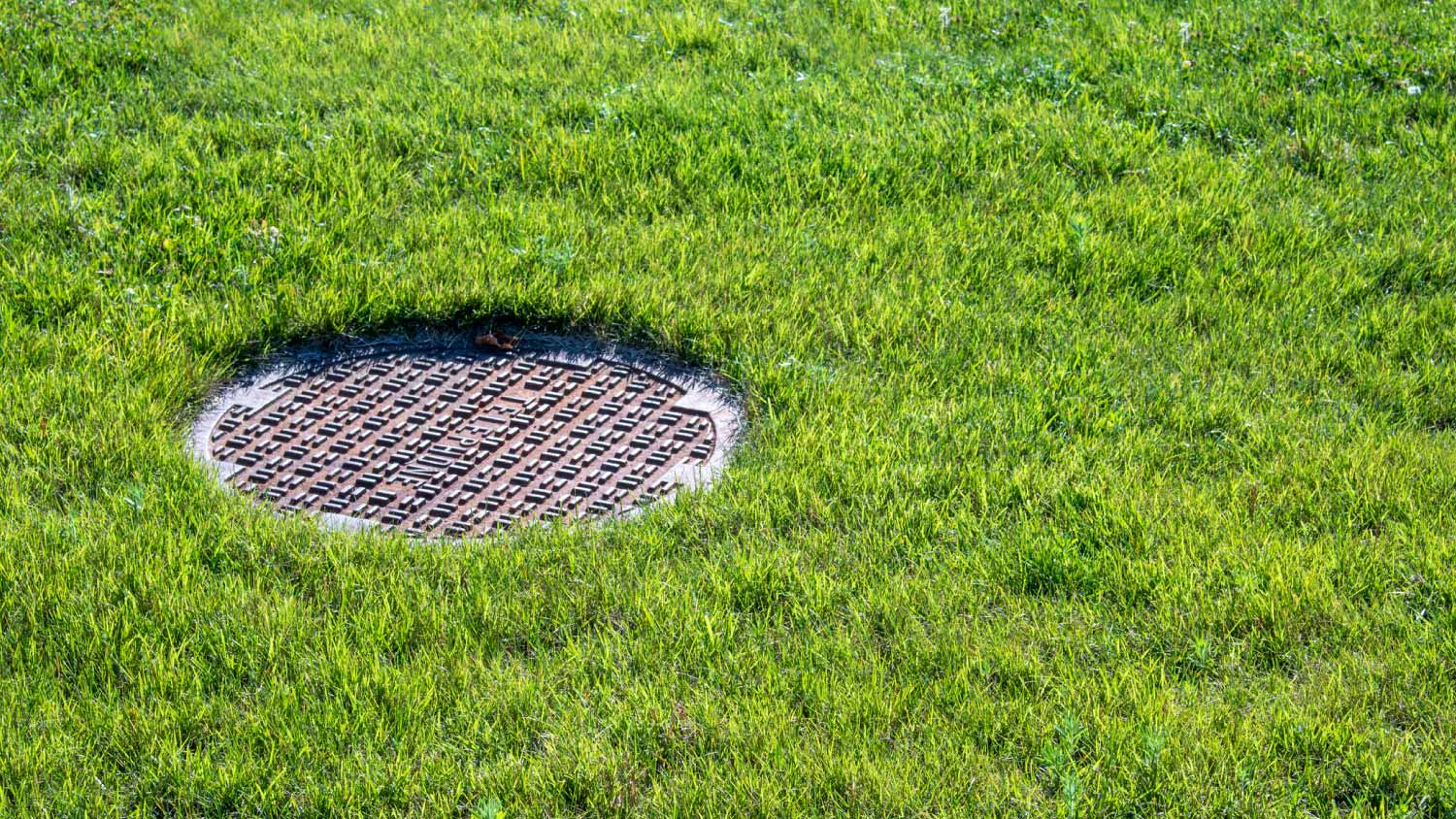
A septic tank riser should extend to just above the ground level or slightly above it. The exact height can vary depending on local regulations and personal preferences, but a common guideline is to have the riser's top flush with or no more than a few inches above the surrounding ground. This height allows for easy access to the septic tank without creating a tripping hazard or obstructing mowing and landscaping activities. It's essential to ensure that the riser lid is easily visible and accessible for regular maintenance and inspection while being mindful of safety and aesthetics.
The Marfa, TX homeowners’ guide to septic tank services
From average costs to expert advice, get all the answers you need to get your job done.
Caring for your septic system is crucial to ensuring its long life. But how much does it cost to pump a septic tank? We explore the different cost factors.
It’s crucial to install a septic tank with the right volume to avoid wastewater backups. This guide will help you calculate the right septic tank volume.
Septic tank sizes vary depending on the size of your home, how many people live there, how much water you use, and more. Read on to learn how to determine the right size for you.