We pride our company on reliability, great communication, integrity, and quality work. We are experts in our trade and will do our best to keep you as educated as we can on your particular task or project. We look forward to earning your business!
\n
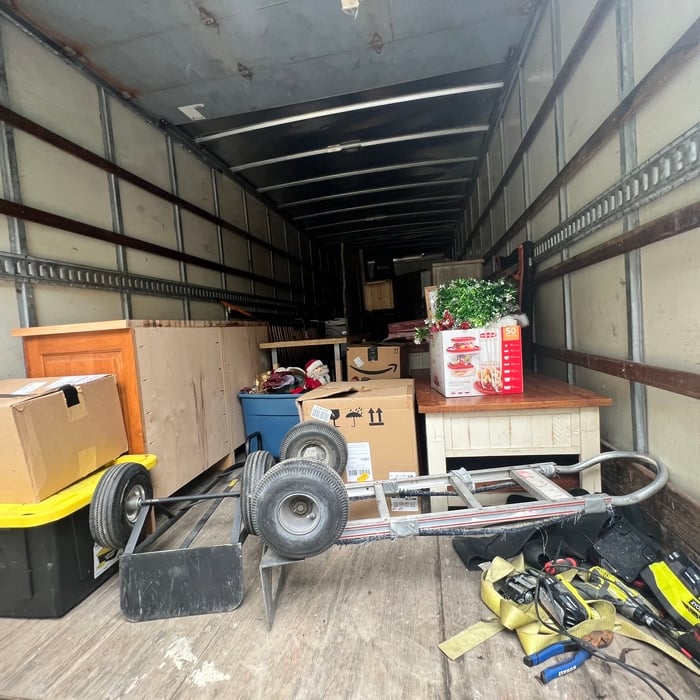
"These guys were great!! We had a delivery of a massive new front, all in one piece, very heavy. They handled it of total care and stored it in our garage with all the very long trim pieces for installation next day. Kind of an unusual item to deliver so was concerned about the glass, scratching, damage. Again, 5-star handling and very pleased!!"
Our mission at EL LANDSCAPING is to continue the growth of our business by doing right by all of our clients. We love seeing that one of a kind smile on a home owners face at the end of a project! EL LANDSCAPING stacks up with the competition and surpasses it with competitive prices, second to none workmanship and a prompt/responsive team! We give you quality that you can measure, and a finished product that will enhance your home forever. Call us today!
\n
The best landscaping for a septic drain field is shallow-rooted grass or native vegetation that helps prevent soil erosion while allowing water to evaporate efficiently. Avoid planting trees, shrubs, or deep-rooted plants near the drain field because the roots can infiltrate pipes and cause blockages. Using mulch or gravel sparingly can also help retain moisture and protect the system without restricting airflow.
As with anything you do near your foundation, you’ll want to ensure proper drainage when you plant your foundation beds. Your drainage should run downhill from the highest point against your foundation to avoid water intrusion and incurring expensive foundation repair costs.
Moss attaches to the ground but doesn’t have roots, so it can take four to six weeks for establishment to begin. It takes between 12 and 18 months for full coverage, and maximum thickness takes about two years. Keep your moss moist and debris-free to ensure it establishes itself well.
Most experts recommend a quarter-inch layer of compost for best results, and you will need about .77 cubic yards of material per 1,000 square feet. To measure how much compost to use, take the square footage of your yard and multiply it by .77, then divide that number by 1,000.
While both fall and spring are suitable times of the year for planting trees, fall is typically the better option. Soil stays warm long enough to allow tree roots to establish in fall before they go dormant, while spring might give way to intense summer heat before spring-planted trees have time to grow strong roots.
The Marfa, TX homeowners’ guide to landscaping services
From average costs to expert advice, get all the answers you need to get your job done.
A landscape designer can elevate your outdoor space and bring your vision to life. Use this landscape design cost guide to budget for your next project.
A good landscaping website can help you land more sales and build your credibility. Read our list of must-have pages and ideas for your website to help potential clients find you and drive more business for your lawn care company.