"We highly recommend William and his team! They did a post construction clean. They did such a fantastic job that we have hired them to come in regularly."
We take great pride in our experience, expertise, quality, and customer service that we provide to meet the consumer's needs. It is our mission to provide excellent workmanship and complete customer satisfaction from start to completion of a project. In order to understand the needs and expectations of our customers, we take great care to work and communicate with every customer in a professional manner. Our reputation is based on service, safety, and quality, regardless of how large or small the job.
The short answer is yes, but the longer answer is more complex. Unless the fireplace is ventless by design, you’ll need some type of exhaust pipe system to safely send fumes and other harmful byproducts out of the house. Even then, ventless fireplaces are not always permitted because they do keep the byproducts inside of your house. Ventless fireplaces are safest when installed in spaces that are themselves well-ventilated, like large rooms with lots of windows.
Both wood-burning stoves and fireplaces can emit smoke and other combustion gases that are harmful to human health. According to the American Lung Association, wood smoke can lead to coughing and wheezing as well as long-term health impacts like increased risks for heart attacks and stroke.
Newer models meet the modern efficiency standards set in 2020 by the Environmental Protection Agency for cleaner burning, more efficient wood stoves. Regular maintenance can also minimize smoke.
Yes, there are regulations on using wood stoves, particularly concerning emissions and installation standards. The Environmental Protection Agency (EPA) sets emission limits for wood stoves to ensure they burn cleaner and more efficiently. Additionally, local building codes may have specific requirements for installation and venting, so it's essential to check with local authorities before installing or upgrading your stove.
Fireplaces can theoretically help you save on heating bills if you lower the temperature throughout the rest of your home and heat only a single room that you occupy using the fireplace. However, in most cases, homeowners won’t save any money on heating bills. Gas and electric fireplace inserts could actually lead to a spike in your respective energy bills if you use them frequently, and if you don’t keep up with chimney maintenance and repairs, your traditional masonry fireplace could actually be a source of heat loss in the winter.
To burn garden waste, you can use a dug-out burn pit lined with stone or brick, a burn barrel, or a garden incinerator. If using a burn barrel, make sure it's made entirely of metal and properly equipped with screened vents and a metal top screen. Garden incinerators are designed for waste burning and should be operated according to the manufacturer's instructions.
The Marfa, TX homeowners’ guide to fireplace services
From average costs to expert advice, get all the answers you need to get your job done.
Bioethanol fireplaces are a chimney- and vent-free way to enjoy a real-flame fire in your home. Keep reading to find out how much ethanol fireplaces cost.
The average fireplace installation cost is $2,438, but prices vary depending on the type and size of the fireplace. Calculate your costs with our guide.
Did you know fireplaces are a profitable home feature? From cozy indoor retreats to trendy outdoor designs, these fireplace ideas are sure to inspire you.
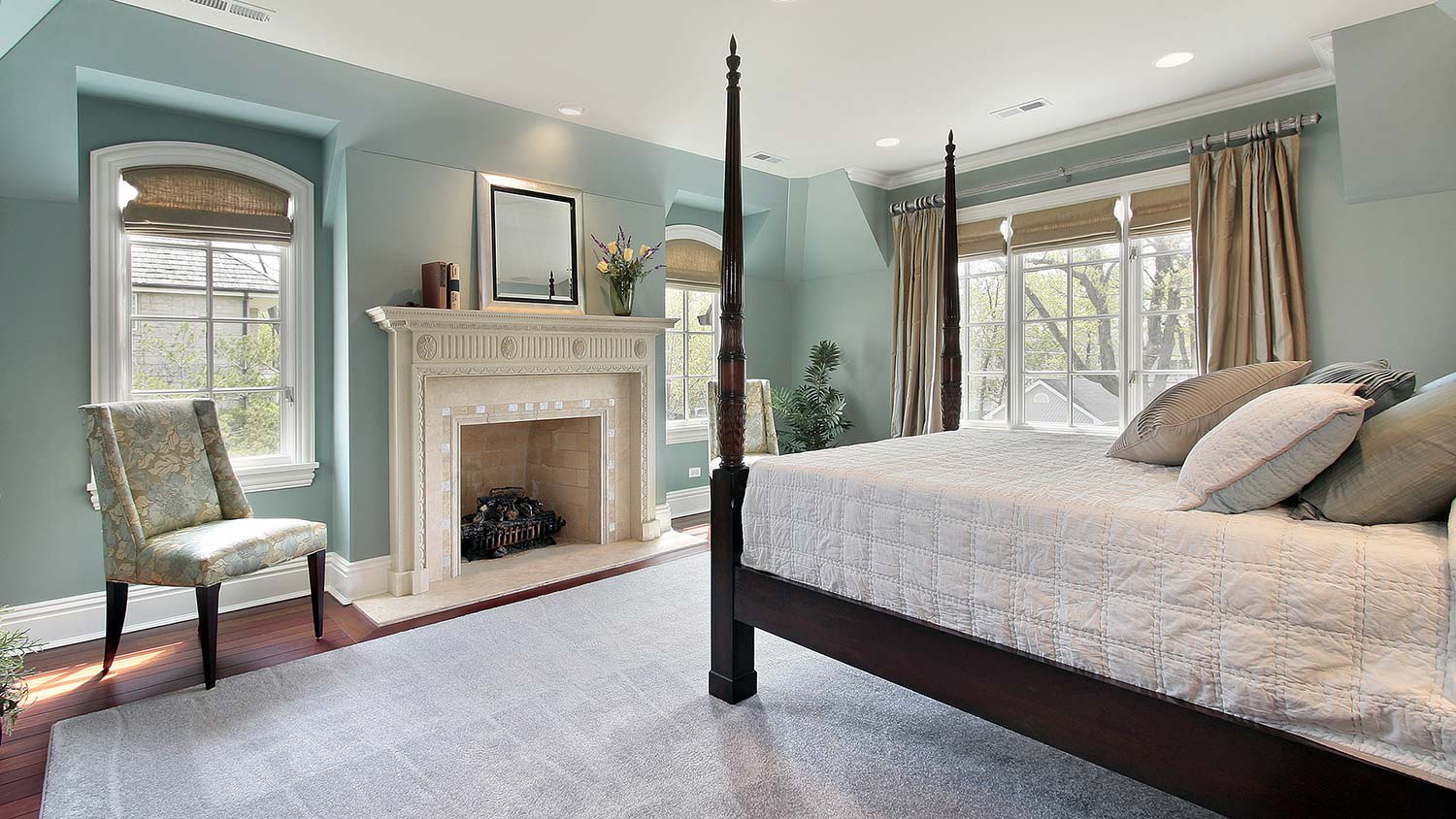
With a few easy decorating tips, you can make your bedroom fireplace the stylish focal point of your room. Up the cozy aesthetic of your bedroom with these 12 ideas.