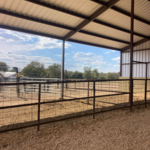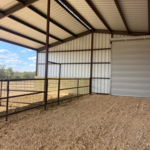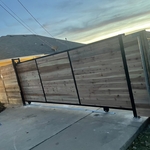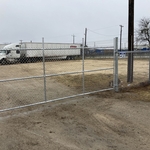








Top-rated animal fencing pros.

Get matched with top animal fencing pros in Luling, TX

Enter your zip and get matched with up to 5 pros

Need a pro for your animal fencing service project in Luling, TX?

Select your specific project to find the pro for you.

Find Animal fencing pros in Luling

Avatar for Taylind Solutions
Taylind Solutions
4.9(
13
)
Electronic Pet Fence - InstallElectronic Pet Fence - Repair or Adjust

Serving Luling, TX and surrounding areas

In business since 2015

Free estimates

Credit card accepted

"Fence was installed promptly in the time expected. Very friendly and communicable. Cleans up everything, no mess left. Ready to enjoy this amazing fence for years to come. Highly recommend for great quality work."
My Jobs
My Jobs
My Jobs
My Jobs
My Jobs

+6

Response time7 hrs
Recommended by41%of homeowners

Showing 1-10 of 20
Animal Fencing questions, answered by experts

Yes, deer eat grass. But grass is far from a deer’s favorite food. Grass doesn’t have the nutrients deer need, so it only makes up a fraction of their diet. Deer eat woody plants, vegetation, acorns, fruit, and legumes. If deer are frequently in your yard, however, they will likely pick at the grass.

No, skunks are not considered aggressive and are typically very gentle, mild-mannered creatures. However, when they’re provoked, they do emit their potent spray as a defense mechanism. Skunks are also useful creatures to have near your property since they eat insects and will likely leave you and your pets alone unless they’re startled.

Scented mouse deterrents, like peppermint oil, can be effective in the short term. The pungent smells may temporarily repel mice, but they lose effectiveness as the scent fades or mice get used to it. The main drawbacks are frequent reapplication and the fact that these deterrents don't address the root cause of the infestation, such as entry points or food sources. While they can be part of a broader strategy, scented deterrents alone are rarely enough to eliminate a mouse problem.

It can be difficult to know what type of animal is in your attic until you see it. But several clues can help you narrow down the suspects:

  • Sounds: Smaller animals like rats and mice make scurrying and tapping/gnawing sounds. Larger animals like raccoons and opossums make louder clambering noises. Also, note when animals are noisy: Squirrels are active during the day, while rats are busiest at night.

  • Droppings: Rats and mice leave small, rice-shaped droppings (the rat’s version is significantly larger). Bigger droppings belong to larger critters like raccoons. As long as you’re not squeamish, an image search can help you identify what you’re seeing in your attic.

When in doubt, take photos of damage or other evidence and show them to an experienced pest control pro.

Consider making some noise if you're looking for a straightforward way to put a damper on excessive frog croaking. You don't need to orchestrate a symphony—simple actions like stomping or clapping with gusto can work wonders. You can also try blasting music, but that won't help you make friends with your neighbors. A simpler solution might be learning to live with it. You can try soundproofing your bedroom with heavy-duty noise-reducing curtains.

The Luling, TX homeowners’ guide to animal fencing services

From average costs to expert advice, get all the answers you need to get your job done.