

How much a privacy fence costs depends on several factors, including the size of the fence and the material used. Our cost guide breaks down these and other factors.
They say good fences make good neighbors… right?

Determining who owns the fence between properties starts with reviewing your property deed, survey, and title insurance to confirm boundary lines and existing structures.
Your local zoning laws outline setback requirements, height restrictions, and shared fence responsibilities, so check these regulations to understand your property line obligations.
Open communication with your neighbor helps resolve fence disputes early, and you should document any agreements about maintenance responsibilities or cost-sharing in writing.
Hiring a local land surveying professional provides precise boundary measurements and detailed reports, helping you settle ownership questions and prevent future neighbor disputes.
A good, sturdy fence doesn’t just increase the safety and security of your home. It can also enhance the aesthetic appeal and even increase the value of your property. But troubles can arise if you’re sharing a fence with your neighbor.
Issues may include disagreements about fence maintenance, property boundaries, or the fence's appearance. Clear communication and mutual agreements help prevent conflicts and maintain positive neighborly relations. When you don’t know who owns the fence, here’s what to do before a feud becomes unneighborly.
When determining ownership of a fence on your property, reviewing various documents is essential.
Your deed will outline the legal description of your property boundaries, which can help establish who owns the fence. You should have a copy of your property deed in your possession. You can obtain one from your county or city's land records office or online through their website if you don't have it handy.
A recent property survey can provide precise boundary lines, helping confirm fence ownership and preventing disputes. Contact a local land surveyor to conduct a property survey. They will provide you with a detailed report that puts any questions to rest.
Your title insurance policy may contain information about your property boundaries and existing structures, including fences. If you can't find it, you can request a copy from your title insurance company.
If you live in a neighborhood with a homeowners' association (HOA), their rules and guidelines may address fence ownership and maintenance responsibilities. You can request a copy of the HOA's rules, covenants, and procedures from your neighborhood representative.
Check for any agreements or contracts related to the fence's construction, maintenance, or shared ownership. These may be in the form of written contracts. Check your personal records or consult with your neighbor if such agreements exist.
Review local ordinances and zoning regulations that dictate fence ownership and placement rules. You can access local ordinances and zoning regulations through your city or county's municipal website or by visiting their offices.
In some cases, if a fence has been in place for an extended period, it could impact property ownership through adverse possession laws. Put simply, this is a legal principle that potentially allows an individual who occupies and uses another person's property to gain legal ownership of that property. Consult with a property attorney or surveyor if you think this may happen.
Zoning laws can significantly impact property line placement, as they dictate how land can be used and developed within a specific area. Here's how zoning laws can determine who is responsible for a fence.
Zoning ordinances include setback requirements, which specify how far structures, including fences, must be located from property lines. These setbacks are designed to ensure safety, access, and aesthetic considerations.
For example, a zoning law might require that a fence be set back 10 feet from the front property line, 5 feet from side property lines, and 15 feet from the rear property line. Property owners must comply with these setback regulations when installing a fence. These regulations prove who is responsible for a fence that doesn’t sit directly on a property line.

Zoning laws may impose height restrictions on fences. These restrictions can impact a fence's proximity to the property line. If a fence's height exceeds the maximum allowed in the zoning ordinance, it could be torn down, eliminating the source of neighbor drama.
In rare cases, a zoning variance requires a property owner to transfer ownership of a portion of their land or fence to a neighboring property owner as a condition for the variance. This could happen if the variances are related to resolving a boundary dispute or correcting a previous encroachment issue.
It bears repeating that local and state laws play a crucial role in determining responsibility for a fence. These laws often outline regulations regarding fence placement, maintenance, and cost-sharing. Local zoning ordinances specify setback requirements, height limitations, and design standards, influencing how fences are installed.
Additionally, state laws often address boundary disputes and shared fence ownership. Understanding these laws is essential for property owners. They provide the framework for resolving disputes and establishing clear responsibilities for fence ownership and upkeep, ensuring harmonious relationships among neighbors.
In the majority of cases, fences rest, in whole or in part, on the property line. This means that ownership and responsibility will be shared by those whose properties meet at this line.
And here’s where it can get tricky. Because you’re sharing a fence, property owners are equally obligated for repairs and maintenance. To ensure that both sides of the fence remain in good condition, you and your neighbor(s) can hire a local fence repair and maintenance contractor and then split the costs equally.
In the case of storm damage or other accidents covered by homeowner’s insurance, most insurers will divide repair costs between the property owners.

Even when a land survey clearly lays out where the property line falls, property line disagreements can and do occur. And, unfortunately, sharing a fence can be one of the most common reasons why this might happen.
For this reason, if you’re involved in a dispute with a neighbor over a shared fence, your safest and easiest strategy will probably be to go ahead and hire an attorney. They can help clarify the legal ins and outs of sharing a structural asset, such as a fence. They can also help you determine the best course of action as defined by the laws in your state.
A reliable team for moves across state. My switch to a new place needed careful lifting through tight hallways. The movers checked the doorway first, then carried heavier pieces with slow, controlled movements. Their patience helped prevent damage, and I?d choose them again.
We have used Window Warriors many times with no issues. They arrived on time and were very professional . We have pets and Window Warrior team treated them very well, well trusted team.
 Window Warrior of Columbus, Inc.
We have bought and sold numerous times over the past 50 years. Sherman Hall and Top Line are top notch. Thorough and detailed, he explains every possibility, probability, and eventuality. High class and pleasant. The best.
 Top Line Home Inspections, LLC
Our homes curb appeal skyrocketed thanks to Custom Paint Jobs LLC s exterior painting.
 Custom Paint Jobs, LLC
Window Depot did an amazing job on my deck. I wasnt sure what I wanted to do, but their composite decking was affordable and will last a long time. I am excited to have family over, and I am no longer embarrassed by my backyard. Jeff and the ground crew were polite, respectful, and caring for...
 Window Depot USA of Central Ohio
Storms Mobile Welding was great to work with. They were prompt, professional and did an overall excellent job on the project. I highly recommend.
Great job...edging and pre clean up went well with a great job with seal coat. Friendly, efficient and professional.
 All Star Paving and Sealing
Did an amazing job transforming my yard. Also installed sod in places, would recommend to everyone.
 Cardinal Landscaping & Construction LLC
We hired Andrew and the team from Midwest Lightscapes for a custom lighting design and installation on a Victorian Village home. The house had outdated low-voltage halogen outdoor lights and many of them were not working. Andrew designed and installed a new system including uplighting on the...
 Midwest Lightscapes
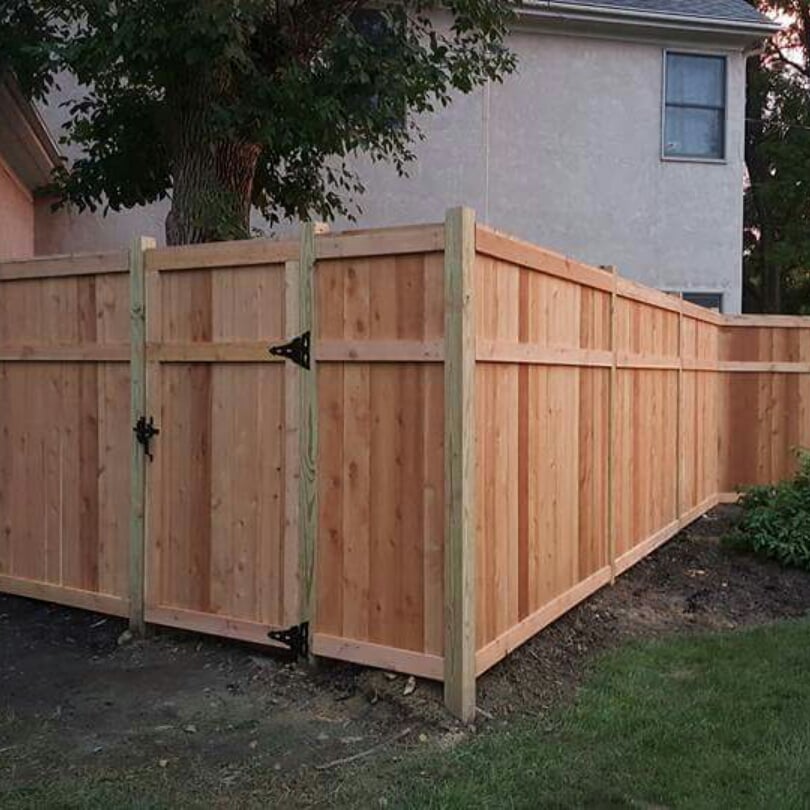
The work was completed in a day and a half. They cut small trees, pulled out an old swing set, pulled out railroad ties and left the place spotless when the job was complete. I am very happy with the fence and their efforts were above and beyond my expectations.
 Elite Fence
From average costs to expert advice, get all the answers you need to get your job done.
How much a privacy fence costs depends on several factors, including the size of the fence and the material used. Our cost guide breaks down these and other factors.

Renting temporary fencing will protect your property during construction or even a party. Fence type, material, and security features impact the cost.
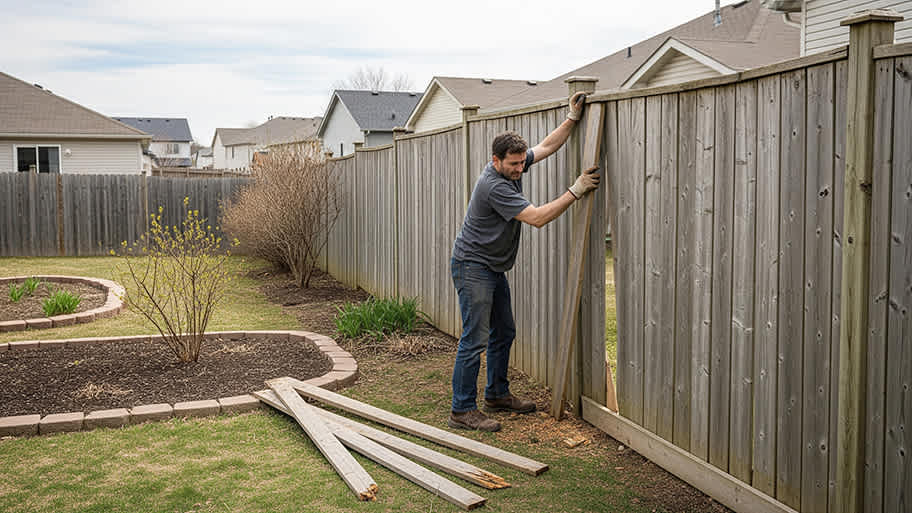
Fence removal costs are highly variable, depending mainly on the size and type of fence. Read on and learn why labor will always be your biggest spend.
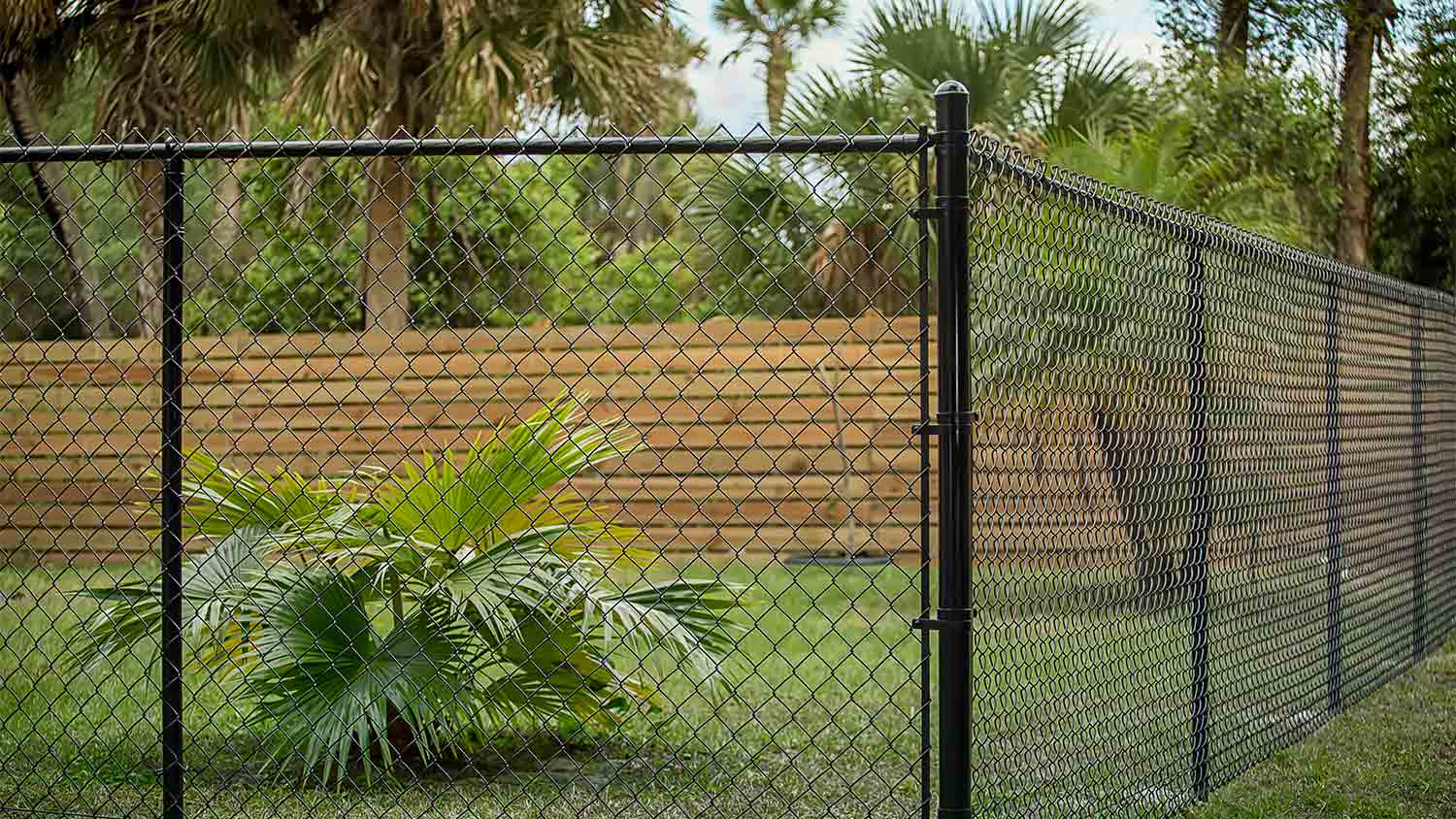
Wondering who to hire to repair a chain link fence? Learn when to call a fence contractor, when a handyperson fits, and how repairs get done.

When wondering who to hire to build a fence, you have a few different options. Use our tips to find the perfect professional for your fencing project.

Wondering who to hire to paint fences or who to call for fence painting? Explore pro options, the process, and what to expect before you book.