Top-rated drywall pros.

Get matched with top drywall pros in Log Cabin, TX

Enter your zip and get matched with up to 5 pros

Need a pro for your drywall service project in Log Cabin, TX?

Select your specific project to find the pro for you.

TRUSTED BY LOG CABIN, TX HOMEOWNERS

  • Average homeowner rating star icon4.3
    Average homeowner rating
  • Verified reviews icon21
    Verified drywall services reviews

Find Drywall pros in Log Cabin

Avatar for DNBP
DNBP
New to Angi
Drywall - Repair

Serving Log Cabin, TX and surrounding areas

Approved

Free estimates

Credit card accepted

Small Drywall/Paint company family owned.\n\nExperience 10+yrs.\nSkills: Interior / Exterior Tape/Bed/Texture/Paint\nIndustrial-Comercial-Residential\n\nWilling to travel per customers satisfaction. \n

1 neighbors recently requested a quote
Bullies Handyman Services
New to Angi
Drywall - InstallDrywall - Repair

Serving Log Cabin, TX and surrounding areas

Approved

Bullies Handyman Services\n\nWith over 25 years of experience, Bullies Handyman Services delivers reliable, high-quality workmanship you can count on. We take pride in getting the job done right the first time, with attention to detail and a commitment to customer satisfaction.\n\n✔ Skilled and experienced craftsmanship\n✔ Dependable and trustworthy service\n✔ Always on time and ready to work\n✔ Strong communication and great people skills\n✔ Affordable and fair pricing\n✔ Wide range of home repair and maintenance services\n✔ Clean, respectful, and professional on every job\n\nNo job is too small — we’re here to help keep your home in top shape.

...
Showing 1-10 of 148
Drywall questions, answered by experts

The best way to make long, straight cuts is to use a utility knife and a T-square to score the sheet, snap along the score, and then finish the cut by cutting through the paper on the opposite side with the utility knife. If you’re making small cuts, curved cuts, or cutouts for electrical boxes or light fixtures, you can use a manual jab saw to keep costs down, but an electric spiral saw or oscillating multi-tool will get the cleanest, fastest cuts possible.

You should stagger drywall sheets to help prevent cracking. The joints between drywall sheets are the weak spots, so if you install drywall with seams aligned, you’ll create weak lines that run across the length of the wall and extend from floor to ceiling. But when you stagger drywall, the solid sections of panels will support the joints. This can prevent seams from cracking or separating due to fluctuating temperature and humidity, vibrations from movement inside the home, and gravity.

Both plaster and drywall are durable wall finishes, but they differ significantly in installation, cost, performance, and aesthetics.

Installation & Cost: Drywall installation is faster and more affordable, typically costing $1.50 to $3 per square foot. It uses premade sheets, making it a more accessible DIY project. Plastering is a labor-intensive craft that requires specialized skills, pushing costs to $2 to $10 per square foot. It involves applying a wet paste over a lath framework.

Durability & Performance: Plaster is generally more durable, longer-lasting, and provides superior soundproofing. It is also a better insulator, which can help reduce energy costs. Drywall is easier to remove for future renovations.

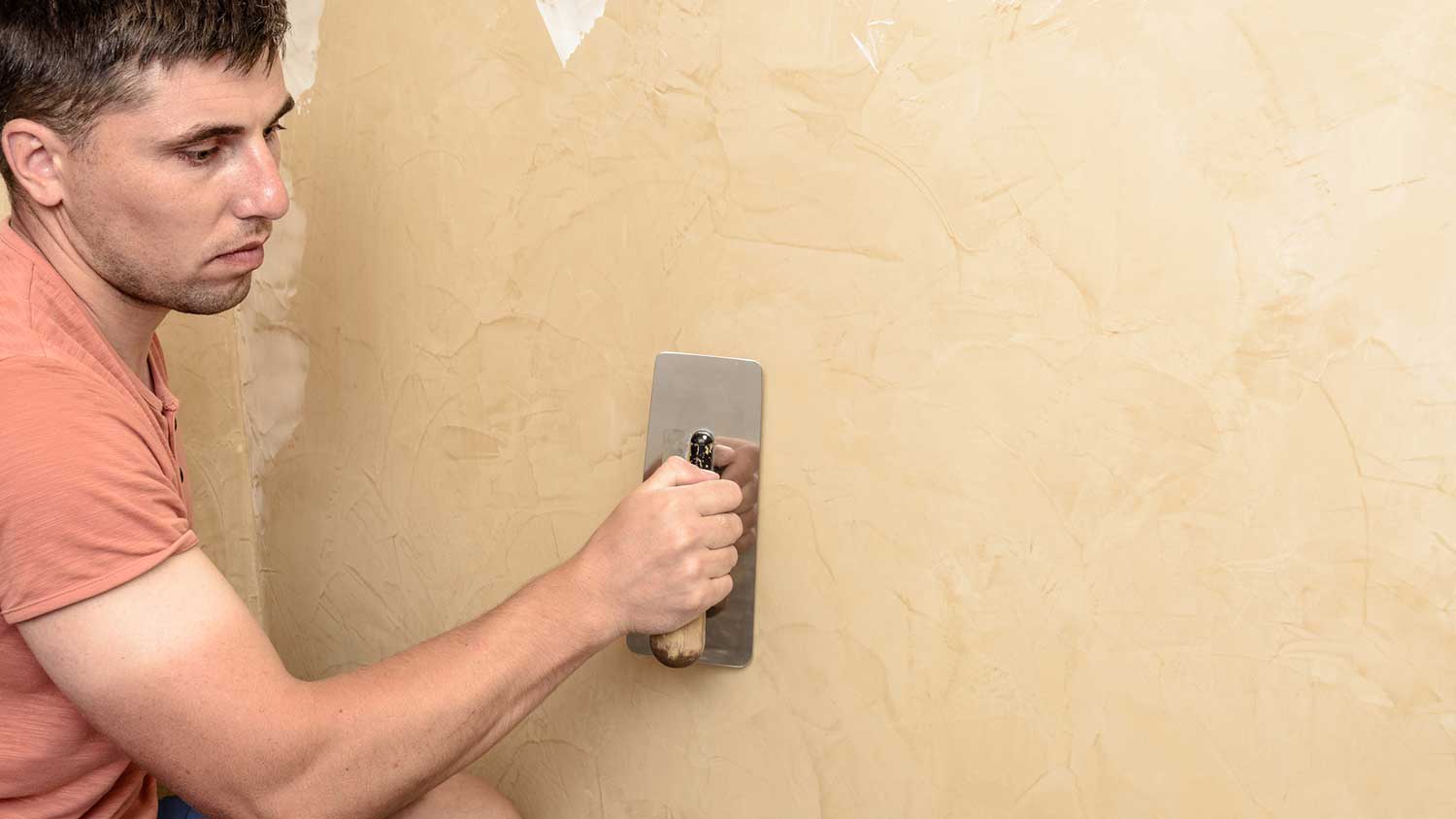
Aesthetics: Drywall provides a smooth, uniform surface ready for paint or texture. Plaster offers a high-end, naturally textured look that can hide imperfections and is often preferred for achieving a classic or historic aesthetic.

Which is better? The choice depends on your priorities. Drywall is ideal for those prioritizing a lower upfront cost, faster installation, and DIY potential. Plaster is the better option for a higher-end project where durability, soundproofing, and a unique, premium finish are more important than the initial cost.
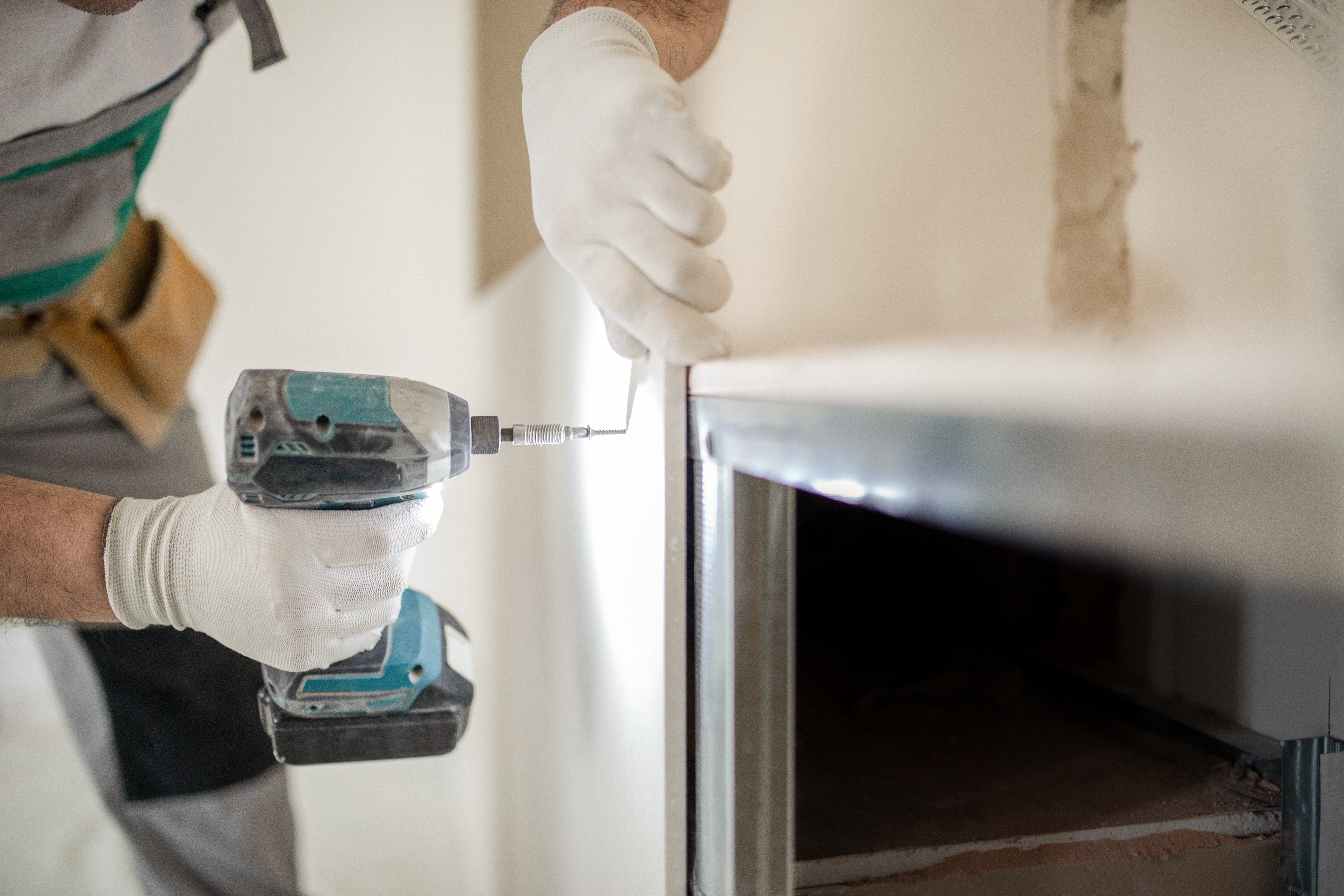
Depending on how much adhesive was used as well as the strength of the adhesive, you may have some drywall damage when removing a mirror. You can typically repair most drywall damage if it’s small by sanding the damaged area, applying spackle to smooth the damaged section so it’s flush with the rest of the wall, and repainting the area.
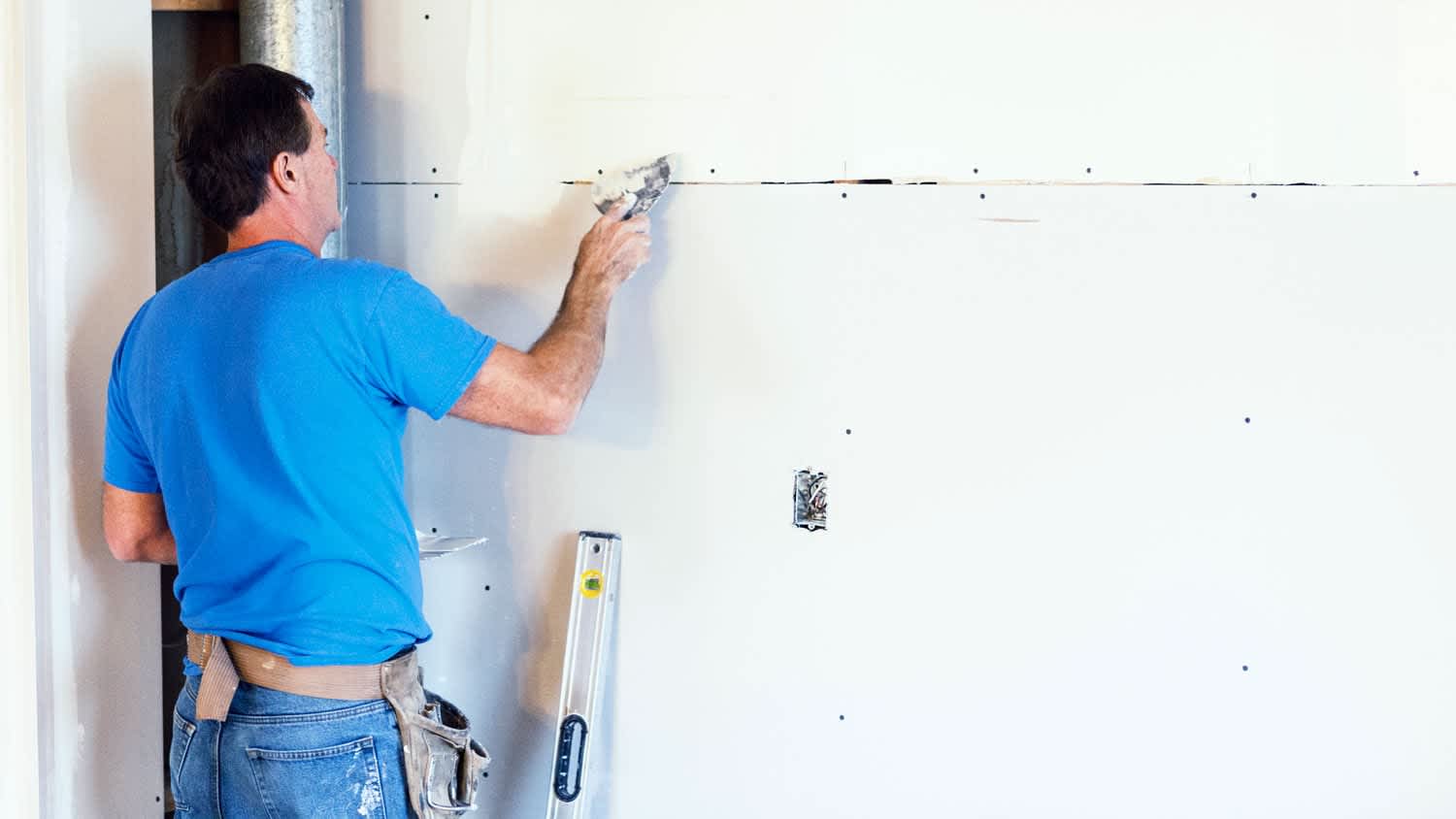
Yes, any parts of drywall that are wet or overly moist will need to be replaced. Drywall is intended to be dry (it’s in the name, after all.), as excess moisture can lead to mold and mildew and eventually corrode your home’s foundational building pieces. Do regular inspections in your home to make sure all your plumbing is intact and in good condition—this will go a long way toward preventing leaks.

The Log Cabin, TX homeowners’ guide to drywall services

From average costs to expert advice, get all the answers you need to get your job done.