

Top-rated arborists.

Best arborists near Lindsay, TX

Enter your zip and get matched with up to 5 pros

Need a pro for your arboricultural service project in Lindsay, TX?

Select your specific project to find the pro for you.

TRUSTED BY LINDSAY, TX HOMEOWNERS

  • Average homeowner rating star icon4.6
    Average homeowner rating
  • Verified reviews icon92
    Verified arboricultural services reviews

Top-Rated Arborists in Lindsay - Updated Nov 2026

Avatar for BW Insect Control and Tree Care
BW Insect Control and Tree Care
4.4(
73
)
Trees & Shrubs - Treat, Protect and MaintainTrees & Shrubs - Treat, Protect and Maintain - For Business

Serving Lindsay, TX and surrounding areas

Approved

In business since 1978

Customers say: True professional

"Dr. Bob White & the crew were extremely courteous. He knew exactly what was wrong with my Elm tree & immediately treated it. He was more than fair with me on the cost. I have several more trees that need to be treated. Be assured that BW Insect Control and Tree Care will be the ones that I will call. In my opinion, he is the best."
Response time4 hrs
6 neighbors recently requested a quote
Recommended by81%of homeowners

Avatar for Steven
Steven
5.0(
1
)
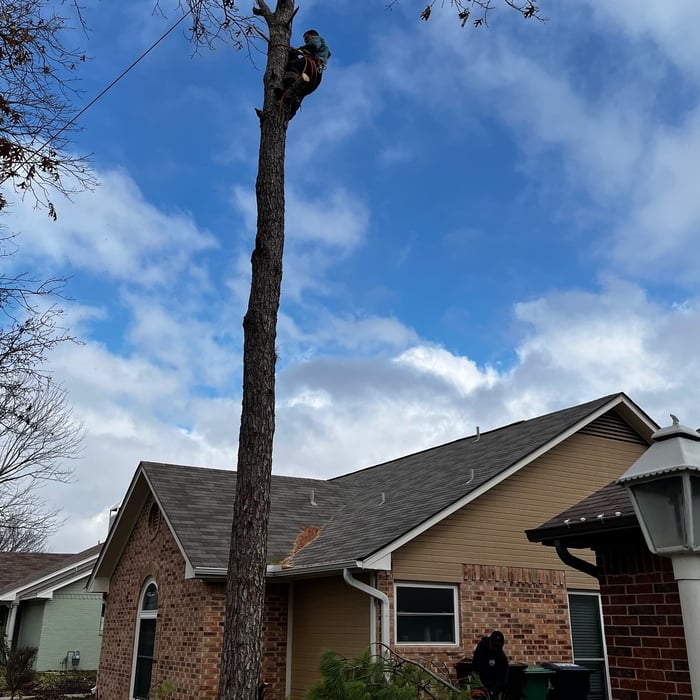
Tree RemovalTree Trimming

Serving Lindsay, TX and surrounding areas

Approved

"steve did a great job, very friendly and professional. cleaned up afterwards also. best price too. highly recommend him, in fact i will hire him to come back and pour concrete to complete the job. 5 star all the way!!!!!!!!!"
1 neighbors recently requested a quote
...
Showing 1-10 of 138
Arborists FAQs, answered by experts

You should avoid cutting off the top of mature cherry trees. This process is called tree topping, and it’s not recommended for cherry trees—or any trees, for that matter. Tree topping removes between one-third to half of the length of the tree trunk, resulting in structurally unsound, fruitless suckers. The only exception is for saplings. Young pie, sour, and tart cherry trees that are over 30 inches tall in the fall or winter before the tree blooms can benefit from heading cuts.

The safest way to cut down a tree is to make sure you’re completely prepared and have done all the necessary safety checks, including double-checking your equipment is in good working order, you have plenty of clearance to fell the tree, you’re wearing all the safety gear, and you have a partner to help you (who should also be wearing safety gear). 

Salt, herbicide, light deprivation, boiling water, and burning can all help dissolve a tree stump. You can also bury the tree stump in soil or mulch to help it rot naturally. Killing a tree stump prevents future regrowth, but you may also remove it by digging it out or grinding it.

Some people prefer to leave or even carve a leftover stump, but we recommend removing it if possible. You can often dig out smaller trunks with a shovel once they have died and dried out. You can have stumps professionally removed, or request a service to grind them down to ground level so they can be replaced with other landscaping or objects.

Since each tree is different, it’s impossible to say how long a dead tree can remain on your property. While it could be days, months, or even years, it’s highly likely that, at some point, the tree will fall. In the meantime, dying or dead trees can become a haven for pests, so it’s best to have them removed sooner rather than later.

The Lindsay, TX homeowners’ guide to arboricultural services

From average costs to expert advice, get all the answers you need to get your job done.