





Top-rated excavation pros.

Get matched with top excavation pros in Wells, TX

Enter your zip and get matched with up to 5 pros

Need a pro for your excavation project in Wells, TX?

Select your specific project to find the pro for you.

Find Excavation pros in Wells

Avatar for Brushwacker Land Services LLC
Brushwacker Land Services LLC
5.0(
29
)
Building Site - Preparation and ClearingExcavation - Major Grading or Resloping - For BusinessLandscape - Minor Grading or Resloping+2 more

Serving Wells, TX and surrounding areas

Approved

In business since 2020

Free estimates

Credit card accepted

"I was asked to check on my families farm property while visiting Dallas. I drive to east Texas and saw it in disarray. I extended my stay and looked for companies to clear the property on short notice. Scott came gave me a very reasonable estimate. By the end of the week he brought his crew, equipment, and they cleared and cleaned my families property in a day. They were very knowledgeable and helpful. I would recommend them to anyone and plan on using them to maintain the property moving forward. Great job!"
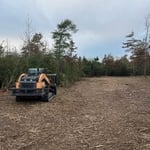
Mulching
Excavation
Ice Storm Clean Up
3 neighbors recently requested a quote
Recommended by62%of homeowners

Avatar for Dumpster Dog
Dumpster Dog
5.0(
10
)
Building Site - Preparation and Clearing

Serving Wells, TX and surrounding areas

Approved

In business since 2023

Free estimates

Credit card accepted

"This is hands-down the best company Iâ  ve ever seen theyâ  re quick to respond. They do what they say theyâ  re going to do for the best price."
Junk Removal
Junk Removal
Junk Removal
Junk Removal
Junk Removal

+16

Response time10 hrs
37 neighbors recently requested a quote
Recommended by77%of homeowners

...
Showing 1-10 of 78
Excavating questions, answered by experts

No, you typically cannot use metal detectors to find your sewer line. Most sewer lines are made of non-metallic materials such as PVC, clay, or cast iron, which are not detectable by standard metal detectors. Metal detectors are designed to locate metallic objects, so they won't be effective for identifying the path of a non-metallic sewer line. To locate your sewer line accurately, it's best to use other methods.

Tree experts don’t advise against digging through tree roots, but instead encourage caution and consultation with a local arborist to make sure you don’t damage the tree’s structure or interrupt its water or nutrient intake. An arborist can recommend specific practices when digging and help prune the roots or dig a trench for utilities with a tool that can remove soil without touching the tree’s roots.

There are several methods to hollow out a tree stump, and the best one depends on your tools, experience, and priorities. Common methods include using a chisel and hammer, a chainsaw, or burning.

  • Chisel and Hammer: This is often considered the easiest approach for those with limited tools or experience, though it is the most time-consuming.

  • Chainsaw: Using a chainsaw is the fastest method, but it comes with significant safety risks, especially for inexperienced users.

  • Burning: This can be an effective method, but it is not recommended unless you can first drill holes into the stump. Without holes, the stump will be difficult to light and may not burn completely through.

A power drill with at least a ⅜-inch diameter bit can make the job quicker and easier, regardless of the primary method. While you can use a chisel or chainsaw without a drill, it will require more time and effort. Always wear protective goggles and thick gloves, as splinters are an inevitable risk.

Slab foundations are more affordable than crawl spaces because they require minimal excavation, as the slab sits directly on the ground or on footers that only sink a few feet into the ground. Crawl spaces require excavation of the entire footprint of the home to several feet below the surface. Not only does that mean higher labor costs, but more materials are necessary for the concrete foundation walls.

The best method for digging a trench depends on the scope of the project. For a short, shallow trench (less than 2 feet deep) in light, soft soil, digging by hand may be sufficient. However, digging by hand is labor-intensive, so consider the effort required. A machine trencher is the better option for longer trenches (over 100 feet), deeper ones, or when dealing with difficult soil conditions, such as rocky or hard ground, or obstructions like tree roots. A machine can save significant time and energy in these situations.

The Wells, TX homeowners’ guide to excavation services

From average costs to expert advice, get all the answers you need to get your job done.