






Top-rated excavation pros.

Best excavation pros near Italy, TX

Enter your zip and get matched with up to 5 pros

Need a pro for your excavation project in Italy, TX?

Select your specific project to find the pro for you.

Top-Rated Excavation pros in Italy - Updated Nov 2026

Avatar for Demo Dog Landworx
Demo Dog Landworx
5.0(
10
)
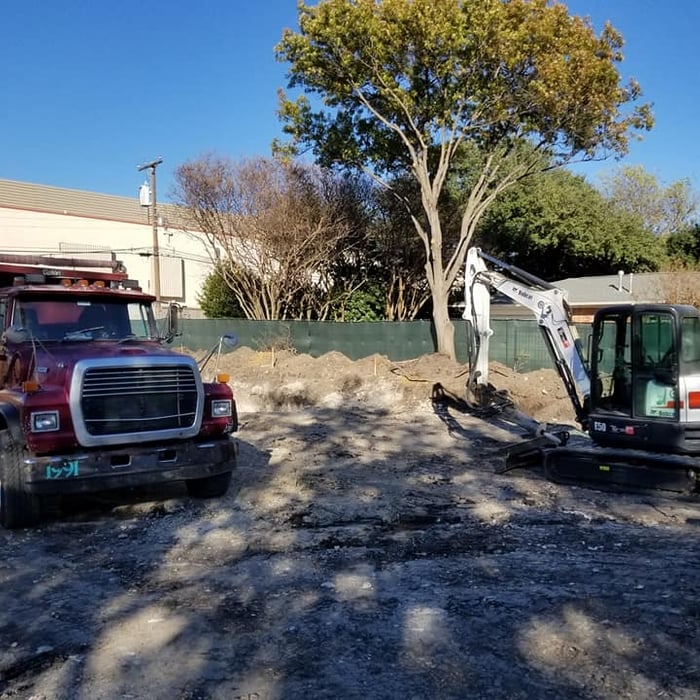
Building Site - Preparation and Clearing

Serving Italy, TX and surrounding areas

Approved

In business since 2023

Free estimates

Credit card accepted

"This is hands-down the best company Iâ  ve ever seen theyâ  re quick to respond. They do what they say theyâ  re going to do for the best price."
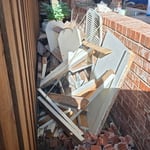
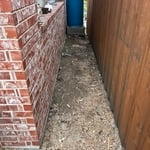
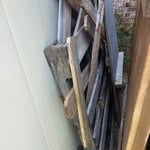
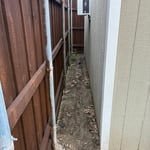
Junk Removal
Junk Removal
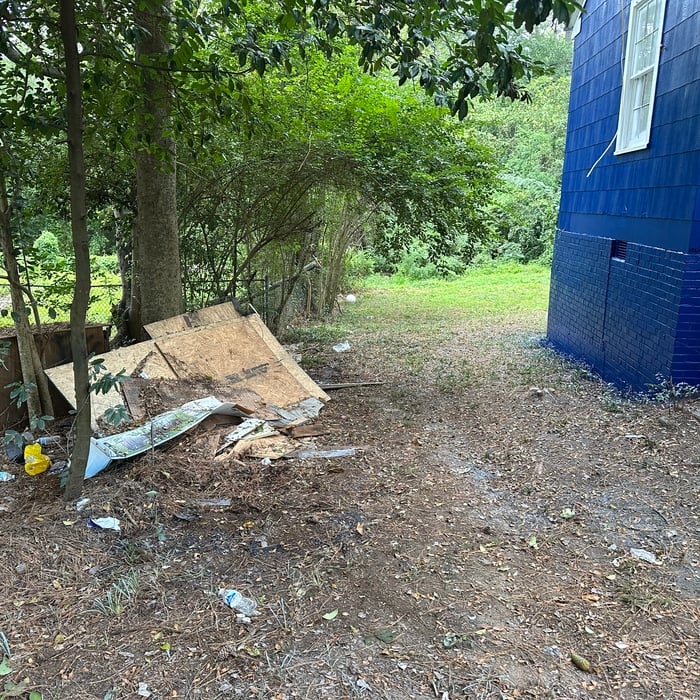
Junk Removal
Junk Removal
Junk Removal

+16

Response time10 hrs
48 neighbors recently requested a quote
Recommended by77%of homeowners
Avatar for Compean Excavation
Compean Excavation
New to Angi
Building Site - Preparation and ClearingBuilding Site - Preparation and Clearing - For BusinessExcavation - Major Grading or Resloping+1 more

Serving Italy, TX and surrounding areas

Approved

Free estimates

Small jobs welcome

Offers commercial services

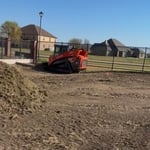
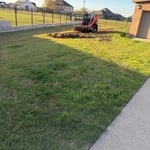
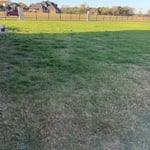
Skid Steer Operator for Hire – Site Prep & Dirt Work\n\nNeed dirt moved or land cleared? \nProfessional skid steer services available with an experienced operator. From small cleanups to full site prep, no shortcuts—just solid work.\n\nBrush clearing, grading, driveways, pads, trenching, and more. Residential and commercial jobs welcome. Serving North Texas.\n

Finished Grading
Finished Grading
Finished Grading
Cedar Hill Project
...
Showing 1-10 of 196
Excavating FAQs, answered by experts

Professional installers often include a deep layer of crushed gravel under permeable pavers to allow more runoff to soak through into the soil below. Many installations will include multiple layers of gravel, with coarser aggregate at the base and finer aggregate that sits on top of that bottom layer. Above the gravel, you’ll often find coarse sand that helps reduce paver shifting over time. Some permeable paver designs include a water collection system set into the gravel layer to route runoff to a safe area for disposal.

Call 811 to locate and mark the gas lines at least three days before digging. In many areas, you can dig within 18 inches of the lines, though in some locations, the distance may be further. Check local regulations, as you may need a utility company representative onsite when digging. Document your calls to 811 and precautions taken to avoid gas lines. A homeowner can be held liable for hitting a gas line in some cases, but contacting the proper authorities and following all guidelines can offer protection.

A walk-behind trencher can cut through roots as long as they’re not too thick, making a project much easier than digging with a shovel and other hand tools. Assess your terrain and the number of trees in the surrounding area to determine if a walk-behind trencher will ease the job. Digging a trench by hand is much more time-consuming and labor-intensive. 

Preparation involves site assessment, clearing debris, grading surfaces, and compacting soil to support stable construction.

A trench that is less than 5 feet deep often doesn't require a protective system. Most residential trenches will not go this deep (the typical residential drainage trench is just 18 inches deep). In the event that an excavator needs to dig more than 5 feet beneath the surface, a protective system is required unless the excavation is in entirely stable rock.

The Italy, TX homeowners’ guide to excavation services

From average costs to expert advice, get all the answers you need to get your job done.