"Two neighbors mentioned them, & after reading the booklet they brought explaining how their procedure is superior to other options (going down to bedrock with galvanized steel pipes) I was sold. I was kept well informed as the project went along. I know they were careful when they dug & jack hammered."
"The service went well. They did a pretty good job. They were reliable, and they make sure everything was good after the plan. The price was fair. I was very satisfied and happy with the service."
"Fernando, his son Frankie, and Jeb Kraft (substituting for a vacationing crew member) were excellent. Their experience, work ethic, and attitude were outstanding. Every issue that arose as they repaired work another company did several years ago was solved by Fernando. He always provided several options and we selected the best one for the situation. Because Fernando hand-dug the needed holes and trenches he had no problem when he encountered the main electric line several feet from where 811 had marked it."
"Mr. Wise and crew showed up and worked hard to get the job done. Everyone had such good manners when addressing me and everyone was very kind. I would recommend this company to anyone who needs any type of foundation repairs done!"
When painting brick, each application method has distinct advantages and disadvantages. Spraying is significantly faster but may not penetrate deeply beyond the surface layer. Rolling is effective for working paint into the brick's texture but can be less effective on mortar joints. If you opt for a roller, choose a thick nap of at least a half-inch to ensure paint gets into all the crevices for even coverage. Using a brush is generally not recommended as it is very time-consuming and provides poor surface penetration. Ultimately, a combination of spraying followed by back-rolling is often the best strategy for a durable and even finish.
No, using a power sander on brick is not recommended because the force of the sander can destroy brick's fragile outer layer. Even using sandpaper on brick is discouraged because of the damage its abrasiveness can cause.
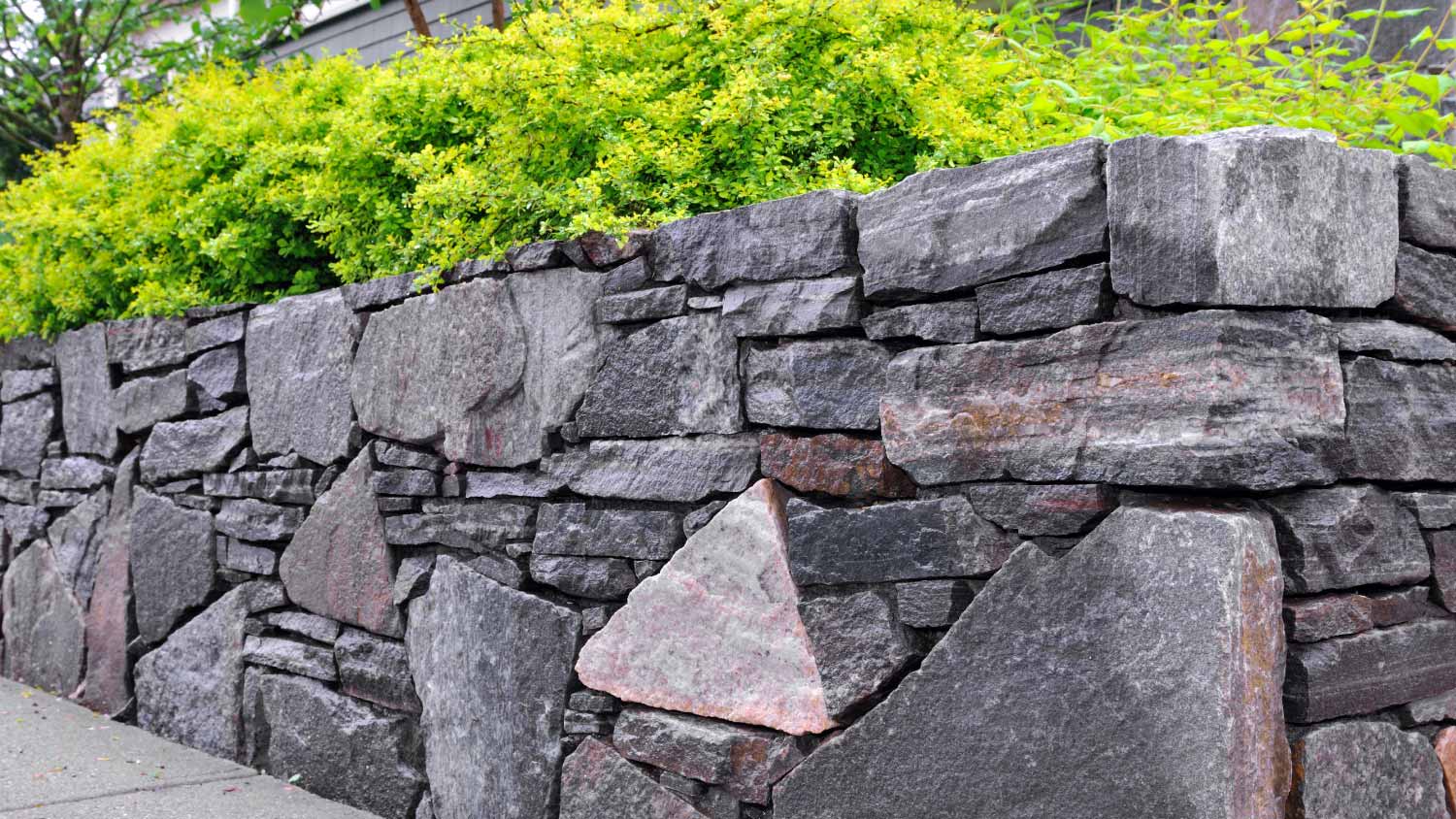
Yes, you can paint stone on the exterior of a house. It’s important to properly prep the stone by cleaning off dirt and debris. You’ll want to apply at least two coats of paint to get the most even and complete coverage. Any pinholes or missed spots, however small, can allow moisture to get into the masonry and potentially cause the paint to blister and peel from the stone.
Yes, limewash on brick can accumulate dust over time. Its porous nature can attract dust particles, especially in environments with high levels of dust or dirt. Additionally, if the limewash surface is left unsealed, it may be more prone to collecting dust. Additionally, incorrectly applied limewash will generate dust. Causes include applying it too thickly instead of thin layers and not allowing enough drying time between layers. Regular maintenance, such as gentle cleaning or dusting, can help mitigate dusty issues.
Most of the time, you don’t need to seal brickwork and can save that money for another area of home improvement. But if your brick is cracking or you live in an area with a lot of excess moisture (either in terms of rain or freezes), sealing can extend the lifetime of your home. But, make sure you use a breathable sealant, like siloxane, to allow the moisture to evaporate on its own.
The Hebbronville, TX homeowners’ guide to masonry services
From average costs to expert advice, get all the answers you need to get your job done.
Door or window lintel replacement costs $400 on average, but there are ways you can save. On the other hand, complicated work will increase costs considerably.
Need to repoint brick in your home to make your home look fresh and new? Use this guide to repointing brick cost to price out your project before starting.
This guide features information on the costs to repair a brick wall, whether or not you need a brick mason to complete spalling, tuckpointing, or a full restoration.
Discover the wide variety of masonry materials for your next home upgrade project. Our guide covers the different types of materials to choose from and more.
When it comes to masonry versus concrete, it can be easy to confuse the two. Use this guide to learn about the differences in appearance, strength, and more.