





Top-rated excavation pros.

Get matched with top excavation pros in Roman Forest, TX

Enter your zip and get matched with up to 5 pros

Need a pro for your excavation project in Roman Forest, TX?

Select your specific project to find the pro for you.

TRUSTED BY ROMAN FOREST, TX HOMEOWNERS

  • Average homeowner rating star icon4.6
    Average homeowner rating
  • Verified reviews icon74
    Verified excavation services reviews

Find Excavation pros in Roman Forest

Avatar for Scott's Manicured Lawns
Scott's Manicured Lawns
4.6(
202
)
Landscape - Minor Grading or Resloping

Serving Roman Forest, TX and surrounding areas

Approved

Super Service Award Winner

In business since 1999

Free estimates

Emergency services offered

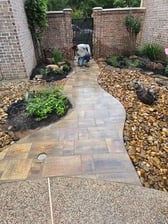
"Scott’s team did an excellent job taking out our existing stone patio and walkway, clearing out tree roots and professionally laying it back. They also installed drainage next to patio. Everything looks great!"
Response time1 day
Response rate93%
86 neighbors recently requested a quote
...
Showing 1-10 of 291
Excavating questions, answered by experts

The best way to protect tree roots is to avoid the roots entirely by excavating outside the root radius of the tree. For nearby projects, it’s a good idea to construct a temporary retaining wall. But that’s not always possible, depending on the project and the root system. In these cases, consider using alternative equipment like an auger to tunnel under the ground.

Remember, tree roots can damage nearby cement foundations as they grow. If a tree is close enough to interfere with large excavations, it may be better to remove the tree than risk future problems.

To determine whether your homeowners' insurance will cover crawl space repair, consider the cause of the issue. Repair may be covered if the problems were caused by an event that the insurance covers, such as vandalism or a windstorm. However, companies won't cover the repair if the issues are caused by neglect or wear and tear.

As a general rule, the protected area should be about 1½ times as wide as the canopy of the tree’s leaves. This digging measurement can vary by tree species and the age of the tree. Of course, that can be a lot of fencing for larger trees, which is why our first step is about making difficult decisions on which trees to save.

There are several methods to hollow out a tree stump, and the best one depends on your tools, experience, and priorities. Common methods include using a chisel and hammer, a chainsaw, or burning.

  • Chisel and Hammer: This is often considered the easiest approach for those with limited tools or experience, though it is the most time-consuming.

  • Chainsaw: Using a chainsaw is the fastest method, but it comes with significant safety risks, especially for inexperienced users.

  • Burning: This can be an effective method, but it is not recommended unless you can first drill holes into the stump. Without holes, the stump will be difficult to light and may not burn completely through.

A power drill with at least a ⅜-inch diameter bit can make the job quicker and easier, regardless of the primary method. While you can use a chisel or chainsaw without a drill, it will require more time and effort. Always wear protective goggles and thick gloves, as splinters are an inevitable risk.

While general contractors sometimes handle demolition, you can also look specifically for local demolition contractors. Demolition experts need to understand structural integrity, the equipment needed for safe demolition, and the permits required for demolition.

The Roman Forest, TX homeowners’ guide to excavation services

From average costs to expert advice, get all the answers you need to get your job done.