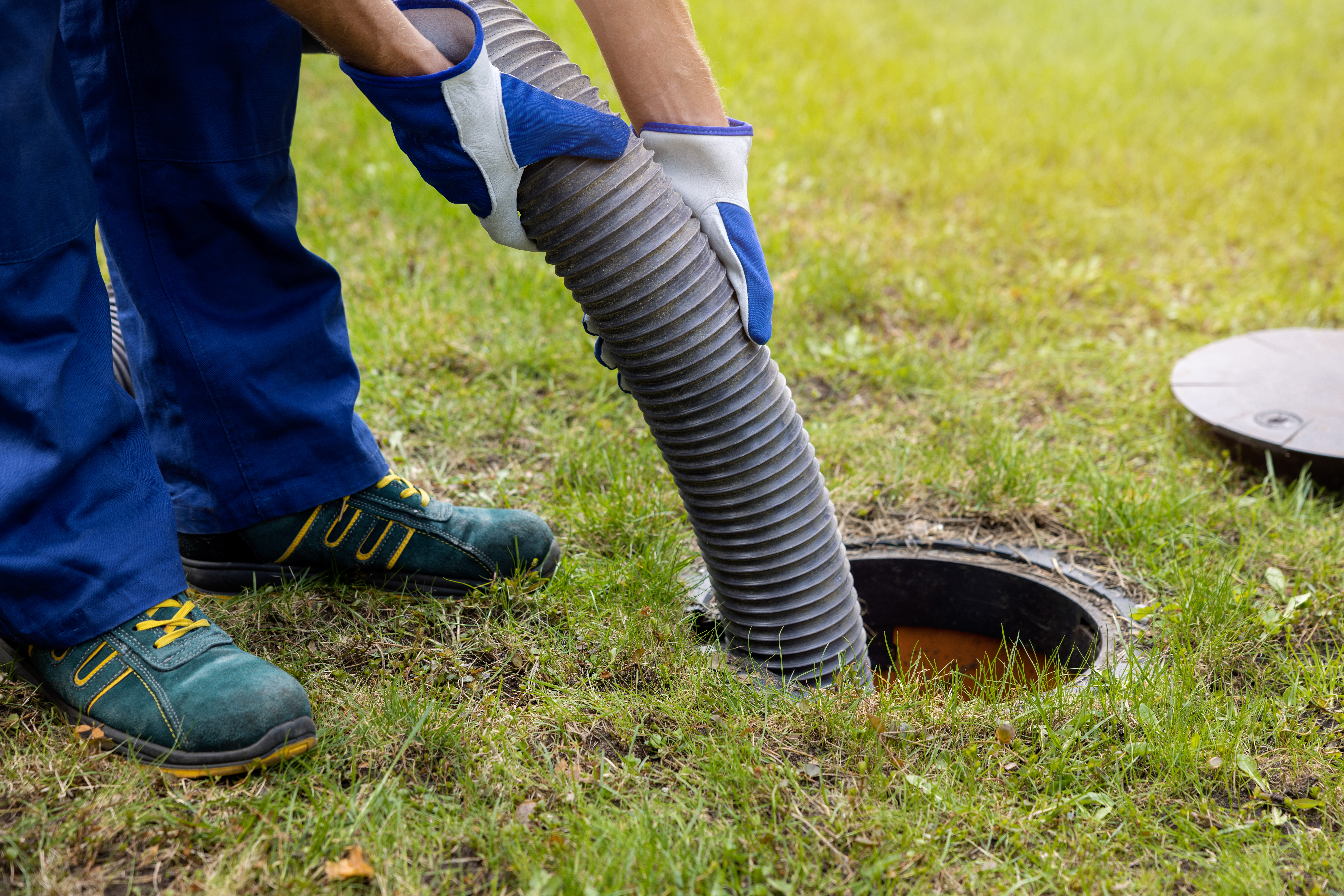









Top-rated septic tank pros.

Get matched with top septic tank pros in Cushing, TX

Enter your zip and get matched with up to 5 pros

Need a pro for your septic tank service project in Cushing, TX?

Select your specific project to find the pro for you.

TRUSTED BY CUSHING, TX HOMEOWNERS

  • Average homeowner rating star icon4.2
    Average homeowner rating
  • Verified reviews icon13
    Verified septic tank services reviews

Find Septic tank pros in Cushing

Avatar for American Home Shield – Home Warranty
American Home Shield – Home Warranty
3.5(
5,688
)
Septic System - Install or ReplaceSeptic System - Install or Replace - For BusinessSeptic System - Repair+3 more

Serving Cushing, TX and surrounding areas

In business since 1971

Credit card accepted

"I just pay $75 you never know who's going to come out. They do everything electrical. Just about everything is covered except the septic tank. I had an air conditioner replaced. It went great, all I had to do was pay for the freon. He didn't charge e more than what was needed."
Additional Photos
Additional Photos
Additional Photos
Additional Photos
Additional Photos

+2

Recommended by65%of homeowners
Don Mays Aerobic Services & Maintenance
New to Angi
Septic System - Repair

Serving Cushing, TX and surrounding areas

In business since 1989

Credit card accepted

We pride our company on reliability, great communication, integrity, and quality \nwork. We are experts in our trade and will do our best to keep you as educated \nas we can on your particular task or project. We look forward to earning your \nbusiness! Book with us online or feel free to give us a call today

Response time20 mins
Response rate100%
Batts Plumbing Service & Repair
New to Angi
Septic System - Install or ReplaceSeptic System - Repair

Serving Cushing, TX and surrounding areas

In business since 1981

James Batts has been in business since 1981 and is a master plumber. He takes great pride in providing his customers with quality work at a great price. This has built him a strong reputation for customer satisfaction. Allow him to show you how his commitment to personal service and expertise will help you with all of your plumbing needs.

Septic Tanks questions, answered by experts

Having a well means that a household’s water supply, including water that comes through faucets, showerheads, and appliances, is supplied through a private source rather than from a city. The well pulls fresh water from an underground water supply, such as an aquifer, and the well pump pushes the water from the well to your household.

The ideal depth of a septic drain field is 18 to 36 inches below the surface. The trenches must be deep enough to allow proper wastewater distribution and filtration while remaining shallow enough for oxygen to reach the soil, promoting bacterial activity that helps break down contaminants. In areas with high groundwater or poor drainage, shallower systems like mound drain fields may be required.

There are a couple of ways you can determine the depth of your well. One method is to use a device called a well sounder. This tool has a long measuring tape containing a sensor to alert you once the end reaches the water. 

Or you can DIY it by using a long tape measure with a half-filled bottle of water attached to it. Lower the tape measure into your well. Once you feel tension on the tape, you’ll know the bottle has reached your static water level. This will give you an approximate idea of your well’s depth.

Trenches are typically 12 to 24 inches deep and 8 inches wide. However, the required depth depends on the specific project and local ordinances. For example, a French drain may need to be 18 inches deep, while a water pipe might require a depth of 24 inches and a drainage pipe 36 inches. Your city or county may have specific regulations, so it's wise to consult with an excavation professional to determine the correct depth for your project.

There are many reasons you may want to extend the depth of an existing well or drill a new, deeper well on your property. A deeper well can tap cleaner water sources—shallow water may contain more contaminants. With a deeper well, you’ll also have an easier time reaching the water table depth (the level at which underground water is found) and can get past tricky soil conditions. 

Plus, if your local building code requires a minimum well depth for safety and environmental standards, you’ll meet the code by digging a deeper well in the first place.

The Cushing, TX homeowners’ guide to septic tank services

From average costs to expert advice, get all the answers you need to get your job done.