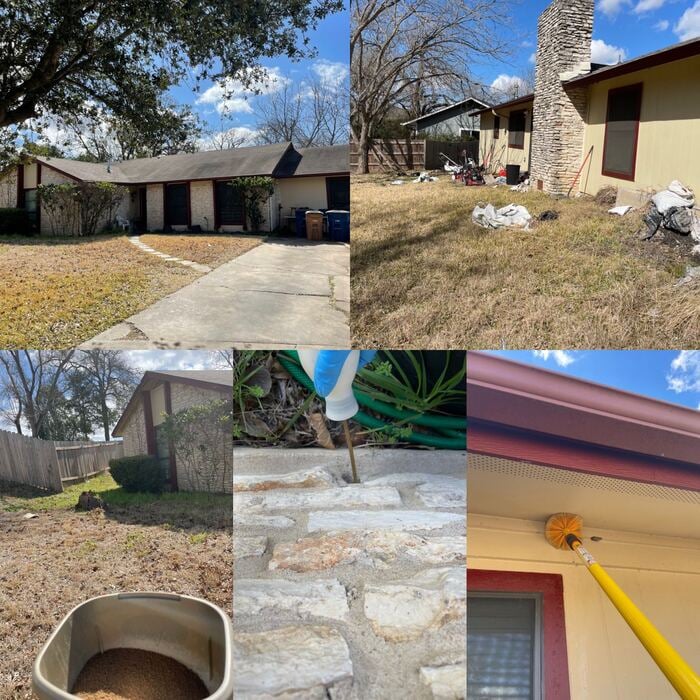
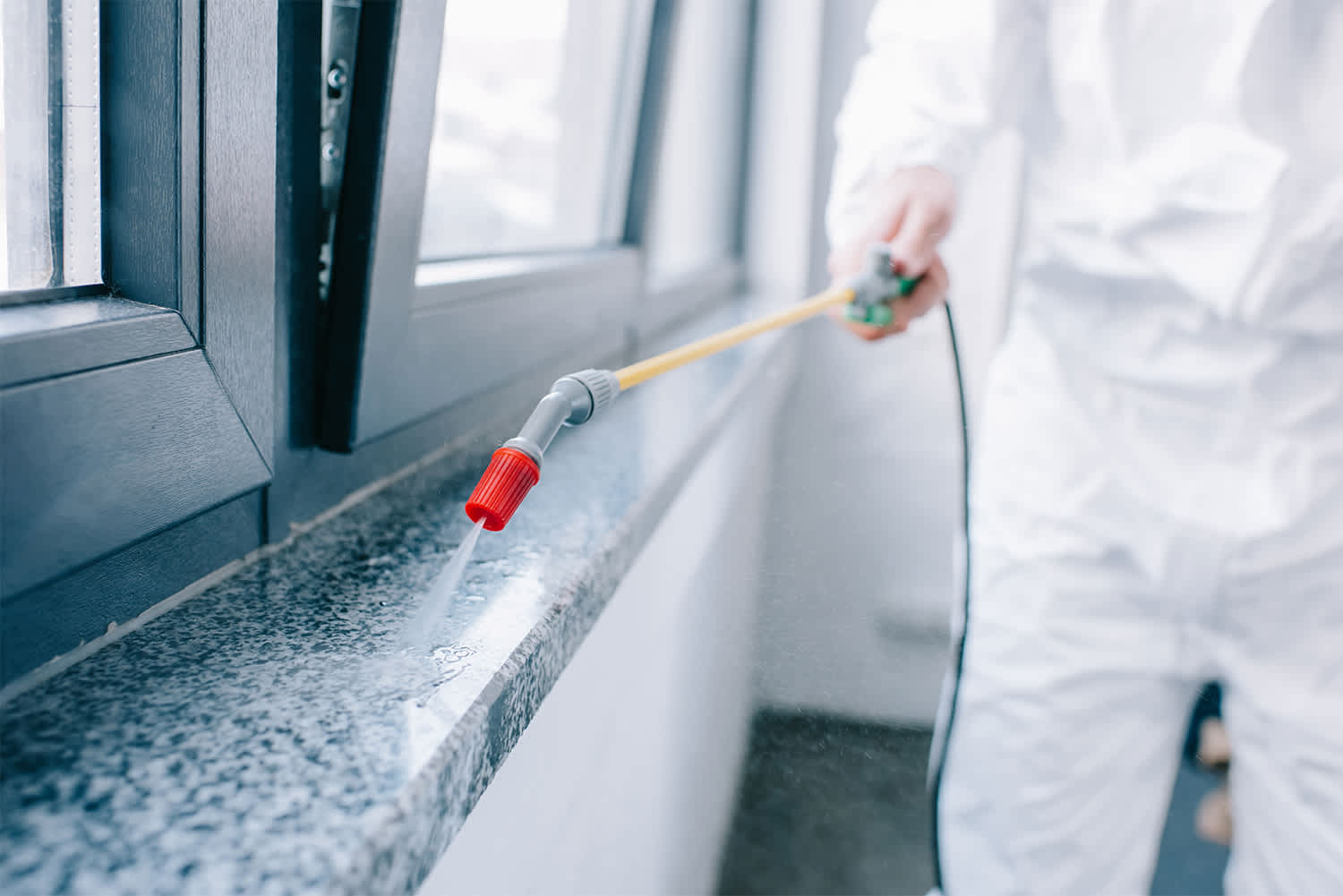
"Very knowledgeable guy who seem to know what he’s doing. Don’t know results of spraying. Have had much rain since. Will have to see if it worked. Terminex will spray again the beginning of next month."
"United Air Temp was able to procure a replacement furnace controller board in a couple of days and Zachary was out within 4 days of the initial visit. The furnace now works very well."
Yes, they can offer tips on sealing food sources and securing areas to prevent new infestations.
The full process of using a rat exterminator can take several weeks. If you have a larger infestation, the exterminator may need to return several times to collect rats. The timeline of your rat eradication depends on the infestation size and type of treatment, so consult a rat exterminator to get an accurate estimate for your specific issue.
While pressure-treated wood offers extra protection against decay and insects, it’s not entirely immune to termites. These pests can still snack on treated wood, so if you spot them, be ready for termite treatment costs that range anywhere from $73 to $1,730. However, your final price ultimately depends on how bad the infestation is and the treatment method. To keep your deck and home safe, regular inspections and preventative measures — like sealing gaps around the home and installing screens on doors and windows — are essential to protect your home, saving you from costly repairs in the future.
There are several ways to dry out flea eggs. Diatomaceous earth (DE) is a natural ingredient that can dry out fleas, but it’s messy to apply and can also cause respiratory issues for members of your household if inhaled. Salt is safer and easier to apply, so shake it liberally over affected areas. Boric acid is another way to get rid of fleas and other insects, but this, too, can cause respiratory issues and health problems if inhaled or ingested.
If you’ve spotted a skunk or know that one of these furry creatures sprayed one of your family members, your answer is fairly obvious. However, a skunky smell in your house that isn’t coming from these critters may be a sign of a dangerous gas leak. If you suspect this, leave your home immediately and call emergency services. It could also be a build-up of dangerous gas in your home’s septic system or plumbing. Call a professional plumber near you to make an assessment.
The Crowell, TX homeowners’ guide to pest control services
From average costs to expert advice, get all the answers you need to get your job done.