





Top-rated paving pros.

Get matched with top paving pros in Canyon, TX

Enter your zip and get matched with up to 5 pros

Need a pro for your paving service project in Canyon, TX?

Select your specific project to find the pro for you.

TRUSTED BY CANYON, TX HOMEOWNERS

  • Average homeowner rating star icon4.5
    Average homeowner rating
  • Verified reviews icon11
    Verified paving services reviews

Find Paving pros in Canyon

Avatar for Northwestern Asphalt
Northwestern Asphalt
5.0(
3
)
Asphalt Paving - Repair or Patch - For Business

Serving Canyon, TX and surrounding areas

In business since 2016

Free estimates

Warranties offered

Here at Northwestern Asphalt, we pride our company on reliability, great communication, integrity, and quality work. We strongly believe in giving our absolute best in all of our projects no matter how big or small. We are experts in our trade and will always keep you educated on your particular task or project. We look forward to earning your business!

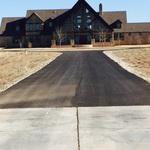
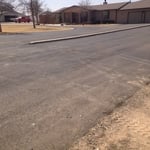
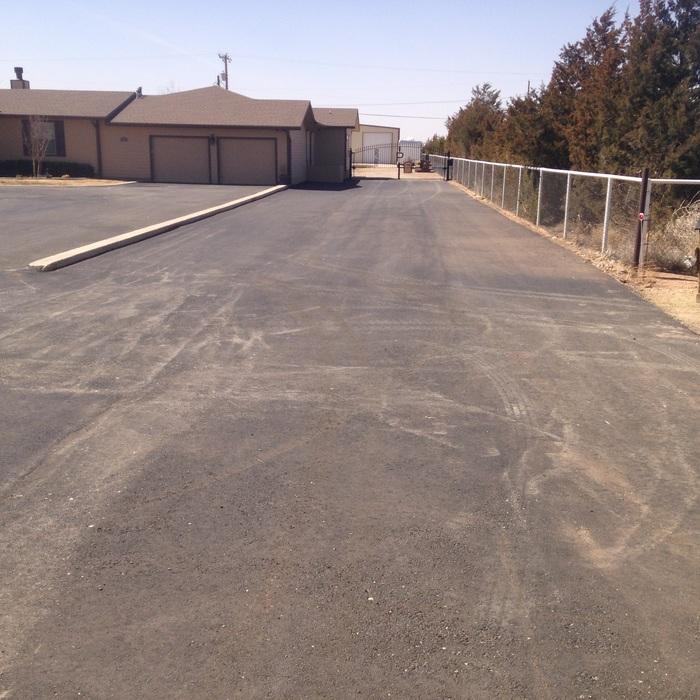
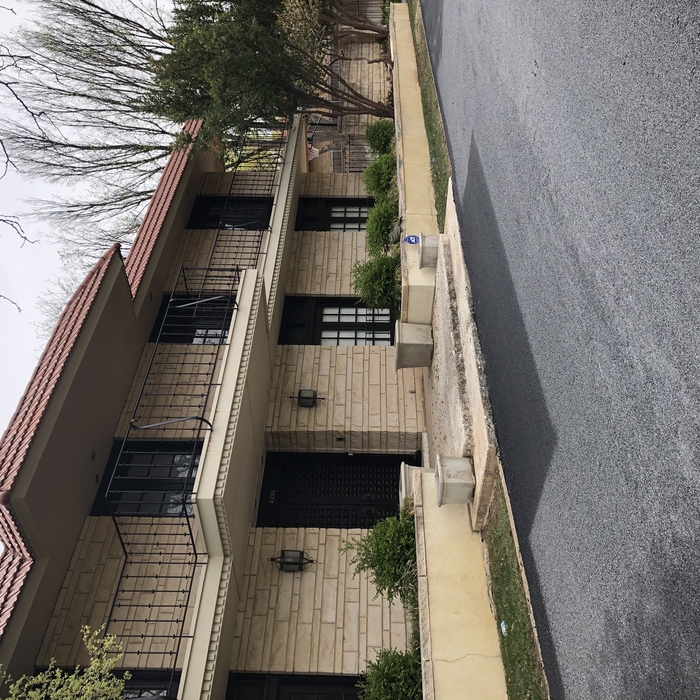
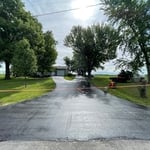
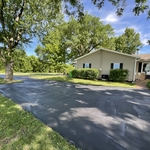
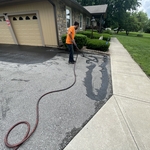
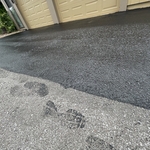
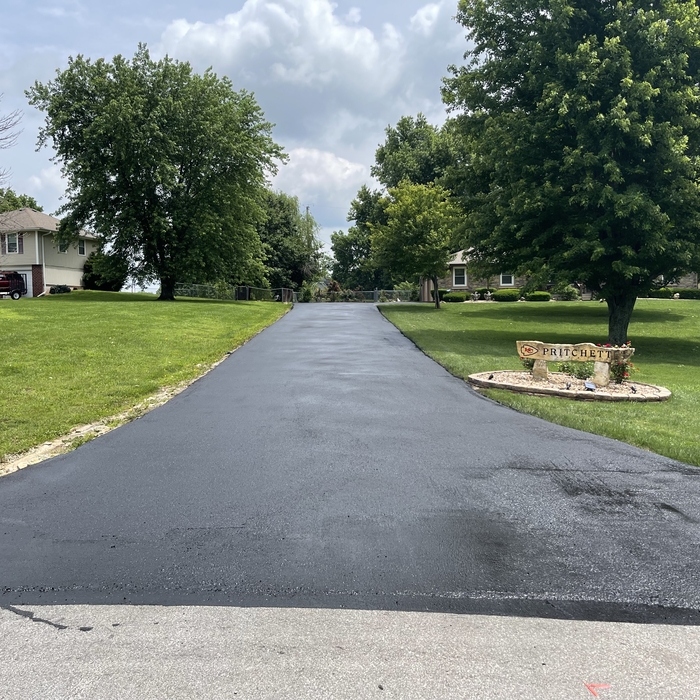
Seal Coat & Crack Fill
Trimming Seal Coat
Seal Coat
After Photo

+7

Response time4 days
Recommended by100%of homeowners
Showing 1-10 of 45
Paving Services questions, answered by experts

Your city or county will have guidelines about the minimum and maximum width and length of private roads. The average private road is 12 feet wide, and length, of course, depends on your property. Requirements also depend on the amount of traffic and types of vehicles your road experiences. Check with local ordinances before planning a road on your property.

Driveways should be sloped with a minimum 2% slope—anything lower will cause precipitation and runoff to collect. A 2% slope is the equivalent of a 2-foot rise over 100 feet. One quick way to check the integrity of your driveway’s slope: no more than four inches of water should collect on the surface longer than 15 minutes after rain.

Generally speaking, tiles are for indoor use, while pavers are for outdoor use. The main difference between travertine tiles and pavers is their thickness. Tiles are around 1/2 inch thick, and pavers are 1 1/4 inches to 2 inches thick.

Pavers are more rugged and can handle different weather. The extra thickness on pavers also makes them ideal for high-traffic areas.

To adhere pavers to concrete, you can use either mortar or a concrete-specific adhesive. For border pavers, a polyurethane-based adhesive is a good choice as it expands and contracts with temperature changes, keeping them firmly in place. For the non-border pavers, polymeric sand is used between the joints to prevent shifting. In most cases, it is also recommended to lay a permeable sand layer below the pavers to ensure proper stability and drainage. Before starting, always take the proper preparatory steps for a professional result.

Compared to options like concrete, asphalt, and pavers, resin driveways are far more flexible. As a result, they are more durable against chipping and cracking. Their bonded surface allows them to withstand extreme cold and heat without succumbing to the warping or cracking caused by freeze-thaw cycles. In addition, resin driveways are easy to clean and maintain.

The Canyon, TX homeowners’ guide to paving services

From average costs to expert advice, get all the answers you need to get your job done.