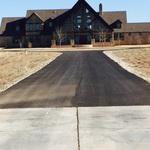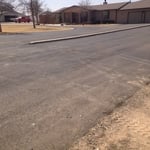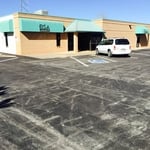



Top-rated paving pros.

Get matched with top paving pros in Vega, TX

Enter your zip and get matched with up to 5 pros

Need a pro for your paving service project in Vega, TX?

Select your specific project to find the pro for you.

Find Paving pros in Vega

Avatar for Northwestern Asphalt
Northwestern Asphalt
5.0(
3
)
Asphalt Paving - Repair or Patch - For Business

Serving Vega, TX and surrounding areas

In business since 2016

Free estimates

Warranties offered

Here at Northwestern Asphalt, we pride our company on reliability, great communication, integrity, and quality work. We strongly believe in giving our absolute best in all of our projects no matter how big or small. We are experts in our trade and will always keep you educated on your particular task or project. We look forward to earning your business!

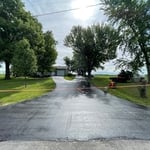
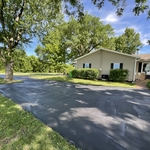
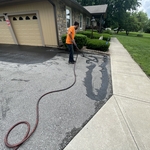
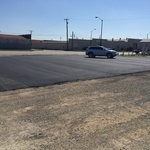
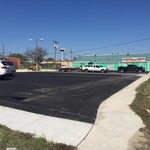
Seal Coat & Crack Fill
Trimming Seal Coat
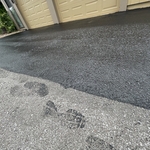
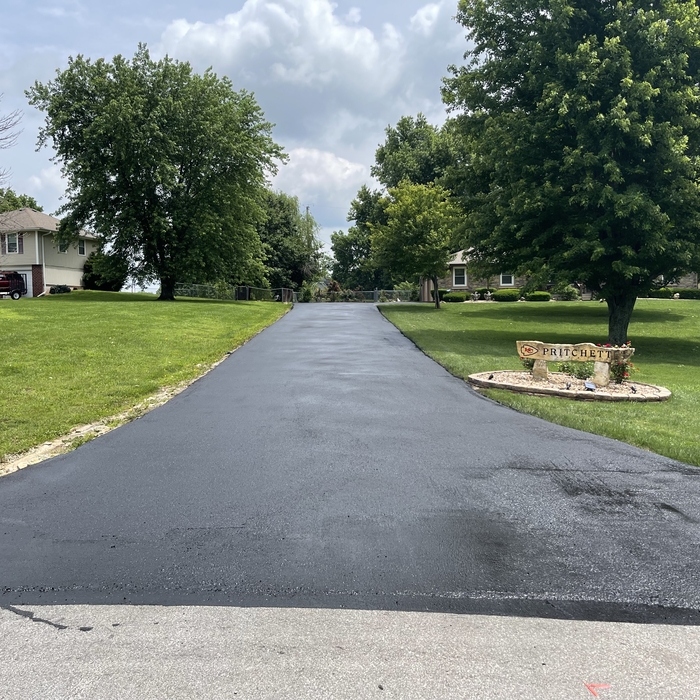
Seal Coat
After Photo

+7

Response time4 days
Recommended by100%of homeowners
Avatar for Industrial Asphalt
Industrial Asphalt
5.0(
1
)
Asphalt Paving - InstallAsphalt Paving - Install- For BusinessAsphalt Paving - Repair or Patch+2 more

Serving Vega, TX and surrounding areas

In business since 2002

Free estimates

Credit card accepted

Industrial Asphalt has a single mission: complete customer satisfaction! We strongly believe in giving our customers the most for their money. We work with only the highest quality materials and experienced professionals. With over 25 years of experience, we have consistently focused on the needs of our customers, providing personalized attention and a stress free experience. This approach has set us apart from our competition and keeps our customers coming back! Give us a call today!

Hot mix paving
Commercial asphalt paving

+54

Response time12 hrs
Recommended by100%of homeowners
Showing 1-10 of 24
Paving Services questions, answered by experts

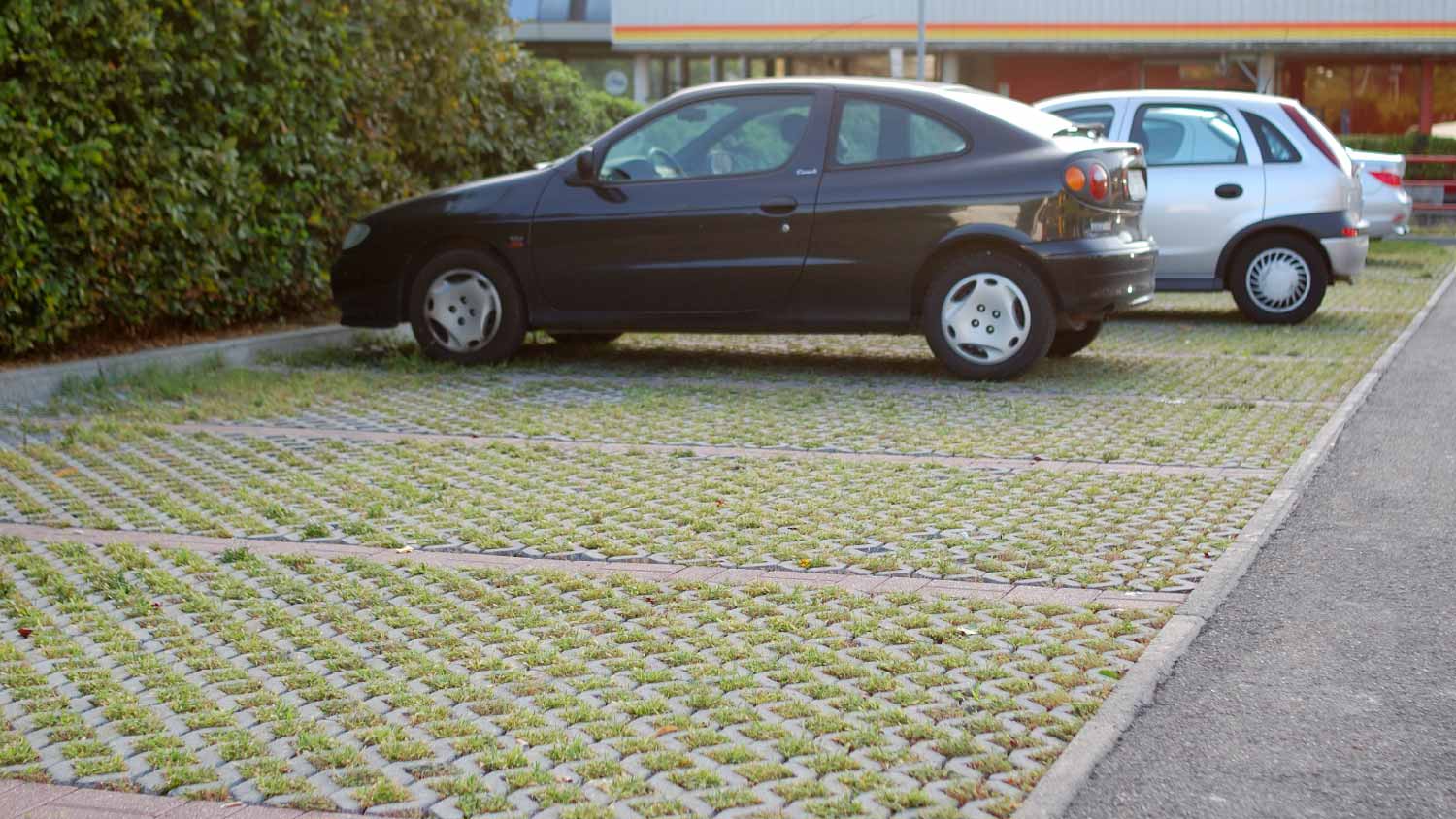
Grass pavers are suitable for heavy foot or vehicle traffic, but they’re not as resistant as concrete or asphalt pavers.

Driveways should be sloped with a minimum 2% slope—anything lower will cause precipitation and runoff to collect. A 2% slope is the equivalent of a 2-foot rise over 100 feet. One quick way to check the integrity of your driveway’s slope: no more than four inches of water should collect on the surface longer than 15 minutes after rain.

While blacktop is a type of asphalt, the terms should not be used interchangeably, as not all asphalt qualifies as blacktop. The primary differences are in their composition, production process, and ideal applications. Blacktop contains more stone than other types of asphalt and is heated to a higher temperature during production—300°F or more—while hot-mix asphalt is heated to between 275°F and 300°F. The ratio of bitumen (a tar-like crude oil) is a key differentiator, though sources vary: some state blacktop has less bitumen, making it less durable, while others claim it has a higher ratio. Due to these differences, asphalt is generally more durable and better for high-traffic areas like highways and streets, while blacktop is more suitable for playgrounds and residential driveways. For a driveway project, it is best to consult a professional to determine the most appropriate material.

In most cases, you don’t need a permit to repave your driveway, although some exceptions exist. If you’re widening your driveway and plan on widening the apron as well, you’ll usually need a permit from the Department of Transportation in your area. This permit costs between $50 and $300 in most cases. Most municipalities will also require a certified and insured contractor do the work relating to the apron and curb cut. You can contact your building department or ask your paving company if you need a permit. Your driveway professional will usually pull the permit for you.

While water-related pressure caused by poor drainage is one common cause of paver cracking, other factors can include ground movement beneath pavers, heavy loads and wear and tear over the pavers, and climates with constant freeze-thaw cycles. In general, pavers should be resealed every three to five years to prevent cracking.

The Vega, TX homeowners’ guide to paving services

From average costs to expert advice, get all the answers you need to get your job done.