



Top-rated tree service pros.

Get matched with top tree service pros in Brookshire, TX

Enter your zip and get matched with up to 5 pros

Need a pro for your tree service project in Brookshire, TX?

Select your specific project to find the pro for you.

TRUSTED BY BROOKSHIRE, TX HOMEOWNERS

  • Average homeowner rating star icon4.7
    Average homeowner rating
  • Verified reviews icon823
    Verified tree services reviews

Find Tree service pros in Brookshire

Avatar for Five Star Tree Pros
Five Star Tree Pros
5.0(
25
)
Tree TrimmingTree RemovalTree Removal - For Business+5 more

Serving Brookshire, TX and surrounding areas

Approved

Super Service Award Winner

In business since 2024

Free estimates

Emergency services offered

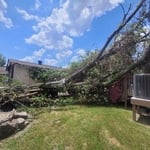
"This crew was amazing! they helped me take down a dead pine tree. they were really nice and easy to communicate with. Chris kept me updated throughout the process. this will be my new tree service team."
Additional Photos
Additional Photos
Additional Photos
Additional Photos
Additional Photos

+3

Response time7 hrs
Response rate100%
1 neighbors recently requested a quote
...
Showing 1-10 of 263
Tree Service questions, answered by experts

The ideal depth of a tree notch depends on the tree, but it should usually be between 20% and 25% of the tree’s depth. However, if the tree is leaning towards the direction of the notch, it can be cut more shallowly—at as little as 10% of the depth. When the tree is leaning away from the direction it needs to be felled, you can cut deeper, closer to 30%.

Light-bark trees are most notorious for producing lots of sap when wounded. These varieties include maples, birches, poplars, dogwoods, magnolias, and elms, and they will bleed more when the trees are dormant. That’s why it’s a good idea to prune them in the summer months rather than waiting until winter.

If executed correctly your tree should survive after being transplanted to a new spot. However, effective transplanting requires six months, careful root pruning, safe transport to the new location, and replanting in prime soil conditions. You’ll also need an appropriately sized root ball for a complete tree transplant. A good rule of thumb is that, for every inch in diameter, your tree’s root ball needs to be around 11 inches. So a tree with a diameter of six inches needs a root ball of approximately 66 inches.

Often, it’s the homeowner’s responsibility to handle the aftermath when a neighbor’s tree falls on their property. But if a tree has been obviously dead for a significant period of time and caused damage when it fell, a case can be made that the owner should have removed it, especially if the neighbor wrote you a letter about the tree or asked you to take it down. This can be grounds for a successful lawsuit in claims court and is a good reason to always pay attention to your trees and remove dead trees before they fall.

No, homeowners insurance typically does not cover the cost of removing a dead, sick, or rotting tree that is still standing. Insurance is designed to protect against sudden and unexpected accidents, whereas a tree dying or rotting over time is considered a maintenance issue. Coverage usually only applies after a tree has fallen and caused damage to your property.

The Brookshire, TX homeowners’ guide to tree services

From average costs to expert advice, get all the answers you need to get your job done.