

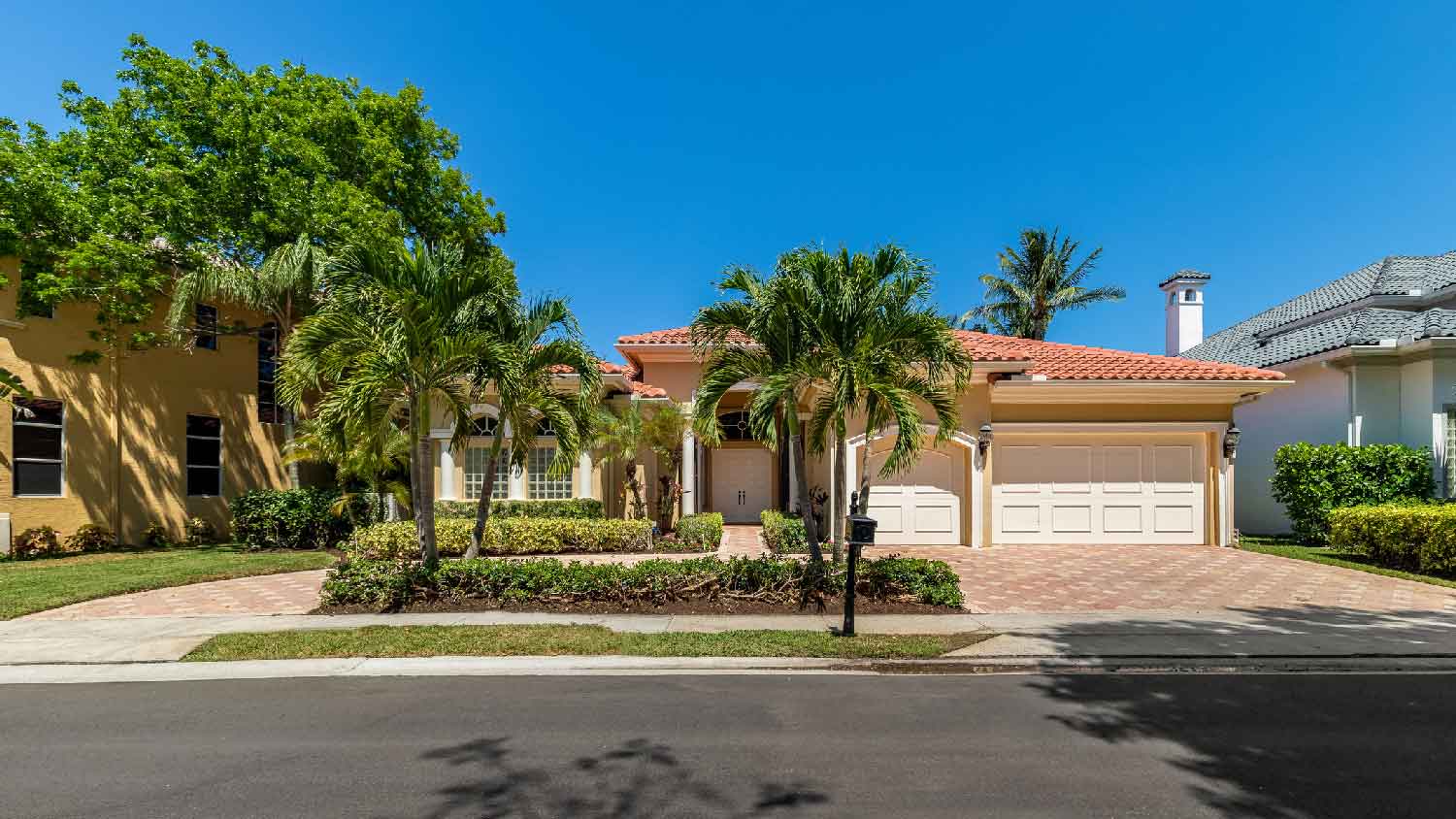
The cost to remove palm trees depends on several factors, including their size, location, and more. Our guide shows the average palm tree removal costs.
Tree service costs depend on your project and location. Check with a local pro for your specific job.

Palm trees cost $250 on average, with totals from $100 to $2,000 based on your species and size.
The variety you choose and the maturity of your palm tree determine your final total for purchase and professional installation.
You should budget for ongoing care, including annual pruning costs from $150 to $1,500, plus water and fertilizer.
Hiring a local palm tree professional ensures your palm fits your climate and soil, protecting your property from damage.
Wondering how much a palm tree costs? The average cost of a palm tree is $250, but prices can vary anywhere from $150 to $800 or more, depending on the size and type of tree. If you’re in the market for a mature, 10- to 20-foot palm tree, you can expect to pay around $1,000. Smaller species usually range from $50 to $100.
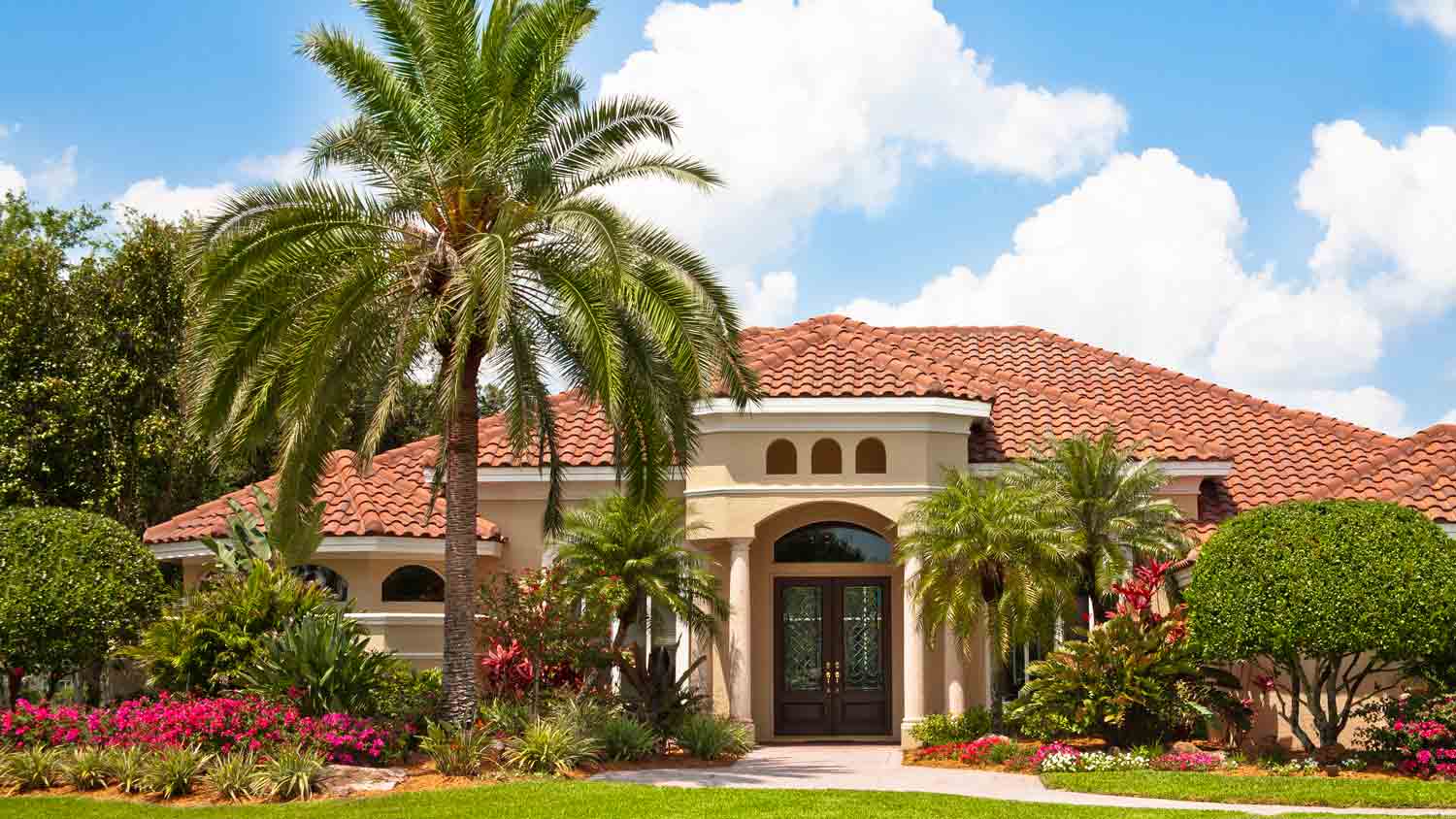
Whether you’re dreaming of a tropical paradise or seeking lush, breezy greenery for your landscape, a palm tree makes the perfect addition. If you have space limitations or a set budget in mind, there are different types of trees to fit nearly any requirement. Let’s take a look at how much a new palm tree typically costs.
Many factors play into how much a palm tree costs. These are your main cost variables to consider.
There are over 2,600 varieties of palm trees in different shapes and sizes, with different trunks and fronds (palm leaves). Many cost under $400, but taller and less common varieties can get pricey. Here are some of the most popular types and their typical costs.
| Palm Tree Type | Description | Average Cost |
|---|---|---|
| Bottle Palm | Stout, bulging bottle-shaped trunk, arching foliage | $50–$100 |
| Chinese Palm | Leather-like fronds, silvery blue-green color | $50–$100 |
| Coconut Palm | Quintessential palm tree, tall and slender, bears coconut fruit | $400–$1,000+ |
| Date Palm | Produces date fruit, needs ample space to grow | $200–$300 |
| Diamond Palm | Massive fan-shaped fronds, towering stature | $100–$200+ |
| Fishtail Palm | Feathery fishtail-shaped fronds, very cold sensitive | $75–$100 |
| Needle Palm | Very cold tolerant, shrublike | $100–$300 |
| Princess Palm | Small, stocky, called “hurricane palm” | $75–$100 |
| Pygmy Palm | Thick trunk, long feathery foliage | $50–$60 |
| Royal Palm | Tall, thin trunks reaching upwards of 70 feet tall, native to southern California | $200–$300 |
| Sentry Palm | Curly fronds, popular indoor palm | $175–$400 |
| Triangle Palm | Overlapping frond structures on three sides, green-gray or blue-gray foliage | $250+ |
The larger and more mature the palm tree is, the more it will cost. That’s why purchasing and planting a small palm tree is the least expensive option, and transplanting a large palm tree will cost the most.
| Palm Size | Average Cost |
|---|---|
| Small (2 to 4 feet) | $15–$50 |
| Medium (4 to 5 feet) | $100–$200 |
| Large (6 feet or more) | $150–$2,000+ |
The cost to plant a tree professionally typically ranges between $50 and $150 per hour for labor, plus the cost of the tree. Larger trees will need more than one professional to plant them. It’s best to get a customized quote from your palm tree specialist to determine your installation cost. Keep in mind that you’ll need to hire a professional tree planting service that specializes in palm trees for best results.

Once you plant your palm tree, there are a few ongoing costs to consider. Here are the main expenses to plan for to keep your palm trees happy and healthy.
A new palm needs consistent watering for the first couple of months after planting, so you may see more water usage during that time. It’s also a good idea to budget for laying down high-quality, slow-release fertilizer once per year in early spring to help with new growth.
Mulch costs an average of $0.40 to $0.60 per square foot. Mulch helps keep a palm tree root system hydrated and insulated against extreme weather, so it’s a good investment to factor into your maintenance budget.

The cost of tree trimming for a palm tree ranges from $100 to $1,500 based on the height of the tree and the amount of pruning needed. Palm trees are generally low maintenance once planted, but they often need pruning once or twice annually to remove dead or damaged fronds. Keep in mind that yearly maintenance costs are lower if you DIY tasks like pruning and trimming.
Planting a palm tree is sometimes a project you can DIY, and doing all of the work yourself would save you $50 to $150 per hour in labor. Especially for larger palm trees, the total savings could be substantial. However, the cost of hiring a palm tree pro near you is well worth the investment, as it gives your tree the best chance of surviving and continuing to add value to your property for years to come.
There are a few key reasons paying a professional for palm tree installation is worthwhile:
Professionals can help choose a palm tree species that will survive and thrive in your local climate and soil conditions.
Pros will know how to place your palm tree on your property to ensure proper sun exposure and reduce the risk of property damage from root growth and falling debris.
DIY mistakes can lead to premature tree death or poor health, which could mean having to pay to replace your tree down the road.
Pros have the heavy machinery and skills necessary to maneuver established palm trees into place without damaging surrounding structures.
If you want to have a hand in the palm tree planting process, you can tackle smaller jobs that help the professional planting go more smoothly:
Get a survey done and mark any underground utility lines your pro will need to avoid.
Clear a path from the street to your planting site, especially if you’re having your pros maneuver in a fully-grown tree.
Handle any necessary landscape repairs after the tree is in, including soil leveling and reseeding.
Invest in soil amendments based on your pro’s recommendations and create a schedule for palm tree care and maintenance.
When planting your new palm tree, you might notice other opportunities to spruce up your lawn. Consider budgeting for these additional lawn care services.
Palm tree removal: $150–$1,500
Landscaping: $1,250–$6,100
Stump removal cost: $175–$550
Palm tree transplanting cost: $300–$10,000

Ready to purchase and plant a palm tree, but want to reduce costs as much as possible? Use these tips and tricks to save a few bucks.
Visit multiple nurseries or garden centers to compare prices for the same species or variety of palm trees.
Explore community plant exchanges or sales where individuals may offer palm trees at lower prices or even for free.
Consider buying smaller or younger palms and allowing them to grow over time.
If you have the necessary skills and tools, consider planting the palm tree yourself rather than hiring a professional palm tree specialist.
Buying multiple palm trees from the same supplier may result in bulk discounts or reduced delivery costs
Be prepared to discuss your tree species preferences, intended watering schedule, and sun exposure to dial in which type of palm tree is right for your property.
Ask your professional ahead of time what soil amendments you should make for optimal tree health.
If you’re buying your tree directly from your pro, ask about a tree warranty to protect you in case your tree dies or falls ill shortly after planting.
Discuss any obstacles between the street and your planting site that might restrict the use of heavy machinery.
Home is the most important place on earth, which is why Angi has helped more than 150 million homeowners transform their houses into homes they adore. To help homeowners with their next project, Angi provides readers with the most accurate cost data and upholds strict editorial standards. We extensively research project costs to develop the pricing data you see, so you can make the best decisions for you and your home. We rely on reputable sources, including the U.S. Bureau of Labor Statistics, academic journals, market studies, and interviews with industry experts—all to ensure our prices reflect real-world projects.
Want to help us improve our cost data? Send us a recent project quote to [email protected]. Quotes and personal information will not be shared publicly.
This service was great. My air conditioner went out during the heat spell that we had. My husband has health issues and they came out that night and at 9:30pm the air conditioner was fixed and running. We are sooo very thankful, this is the company I will be using from now on and would...
 Mr. Mechanical Ohio
One of my old tall evergreen trees was suddenly leaning toward the busy street in front of my house. I submitted a request for an emergency tree inspection, and Alejandro, owner of Cajete Tree Service, contacted me immediately and arrived to look at it just 20 minutes later. We agreed the...
 Cajete Tree Service LLC
1 tree was cut down and 5 others including a large willow tree were trimmed. The Grant Tree Service men were professional and cleaned up afterwards. The cost of the 6 trees were affordable. I am very happy with the results. I would hire them again.
 Grants Tree Service
D1 Roofing delivers outstanding service from beginning to end, backed by a strong warranty and expert teams. I highly recommend them for their excellence in meeting and surpassing expectations with unmatched communication. Choosing D1 Roofing was flawless decision
 Division 1 Roofing LLC
Promptly arrived for quoting! Demonstrated superb customer service, affordable pricing, and completed service swiftly! Looking forward to the spring for our service!
 All Star Paving and Sealing
Seth was very professional, prompt in responding to queries about the work required , gave sincere advice as to what would be best for tree trimming and did the job timely.
Ace Fireplace Services' chimney sweep service is truly exceptional. They used advanced technology to ensure a thorough cleaning process, and my chimney has never looked better. I highly recommend their services.
 Ace Fireplace Services
I definitely recommend Ramonaâ s cleaning service! I have booked services with her many times and she arrives on time, ready to work and provides a great service.
 Your Cleaning Solutions LLC
Webb â s was priced well, flexible on scheduling, great with communication, and detailed in their work. Iâ ll definitely use their services again.
 Webbs Pressure and Paint LLC
Great tree company, very professional and honest. Glad we found them, they had the best pricing
From average costs to expert advice, get all the answers you need to get your job done.
The cost to remove palm trees depends on several factors, including their size, location, and more. Our guide shows the average palm tree removal costs.
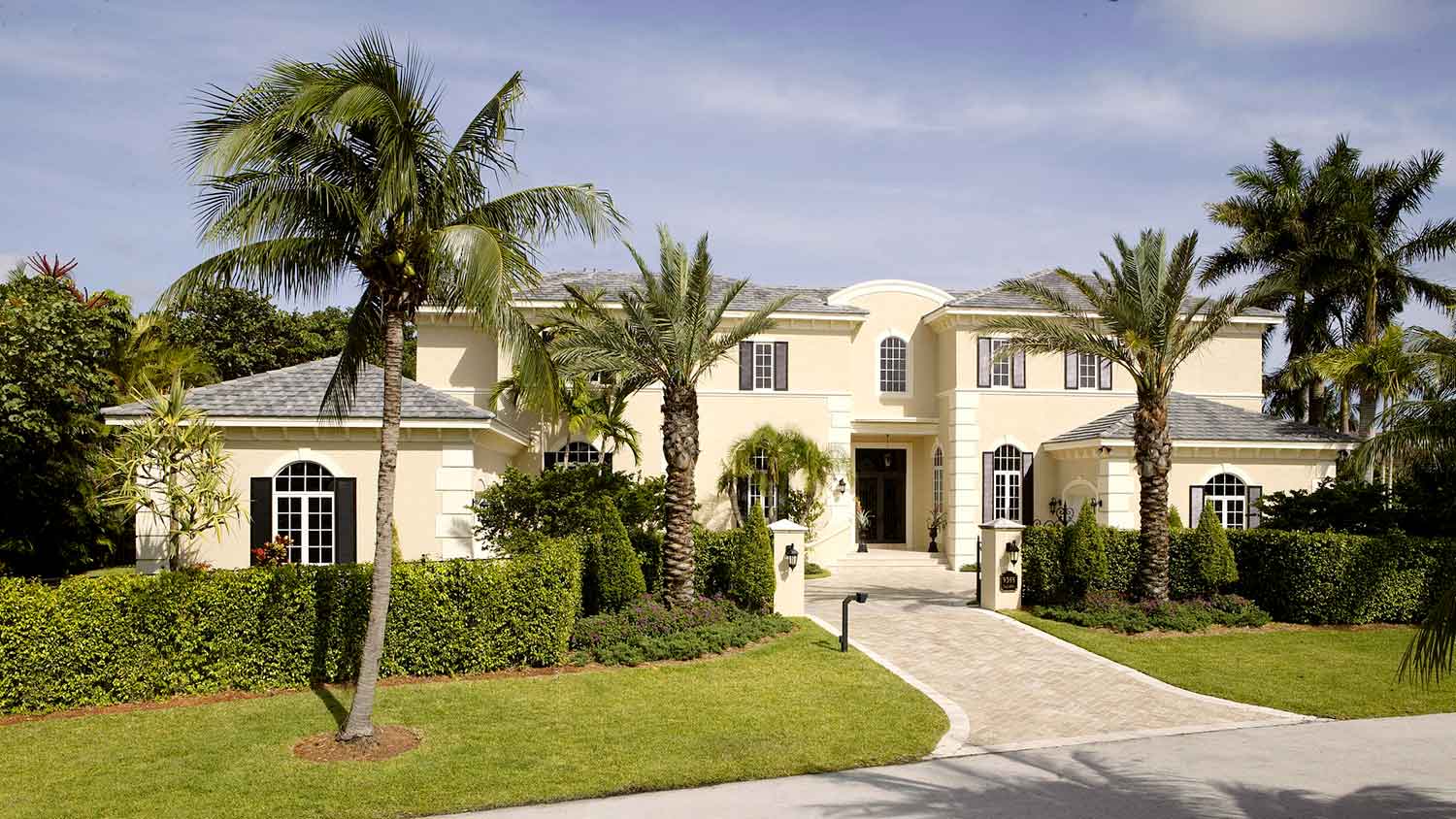
Get a clear estimate of palm tree maintenance cost, including trimming, fertilization, and pest control, so you can keep your palms healthy and your budget on track.
Find out how much it costs to plant a tree based on the number of trees, their size, where you want to plant them, and DIY versus professional costs.
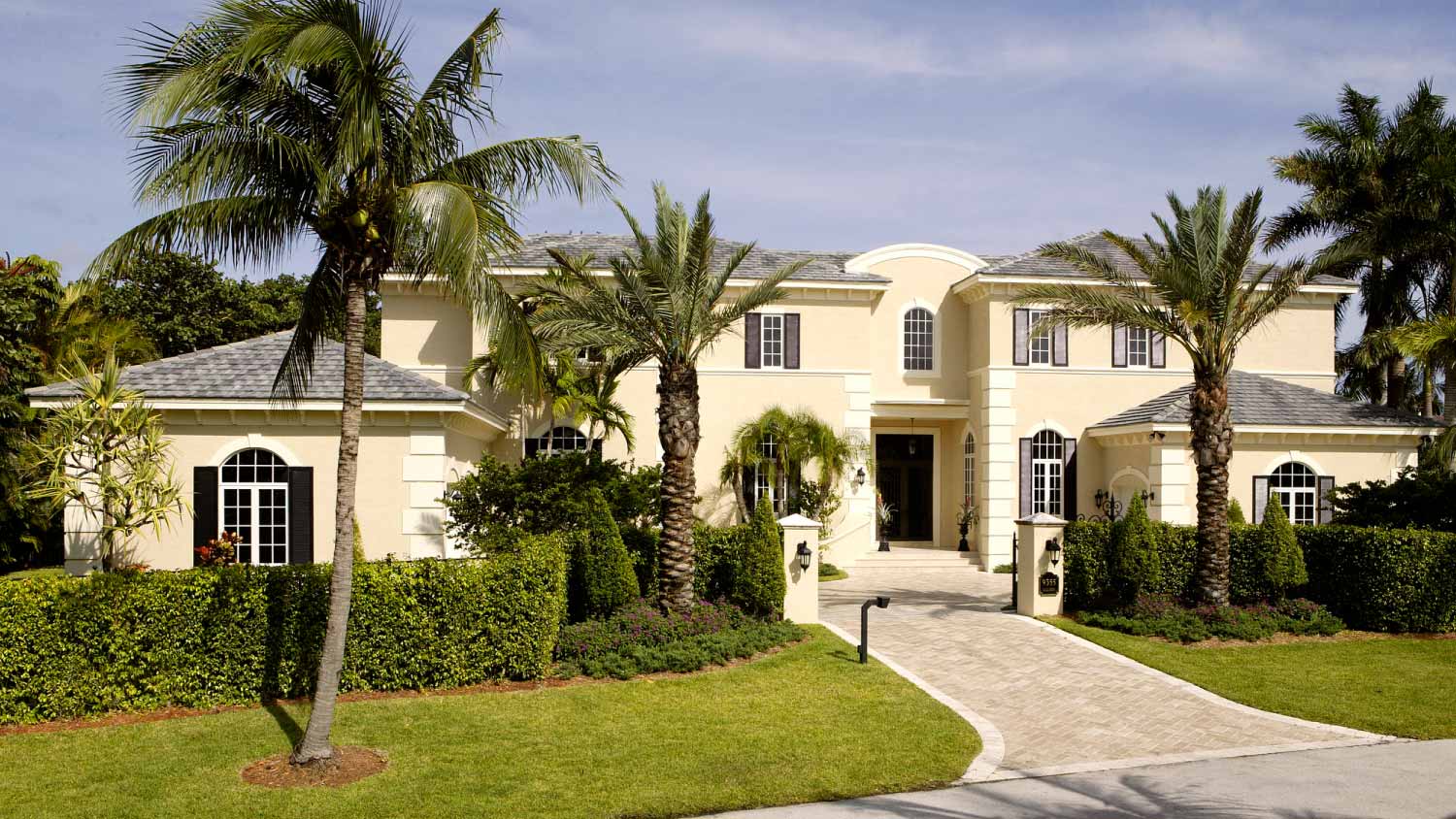
How long do palm trees live and are they right for your yard? Learn the lifespan of palm trees, popular types, and if they are worth the cost.
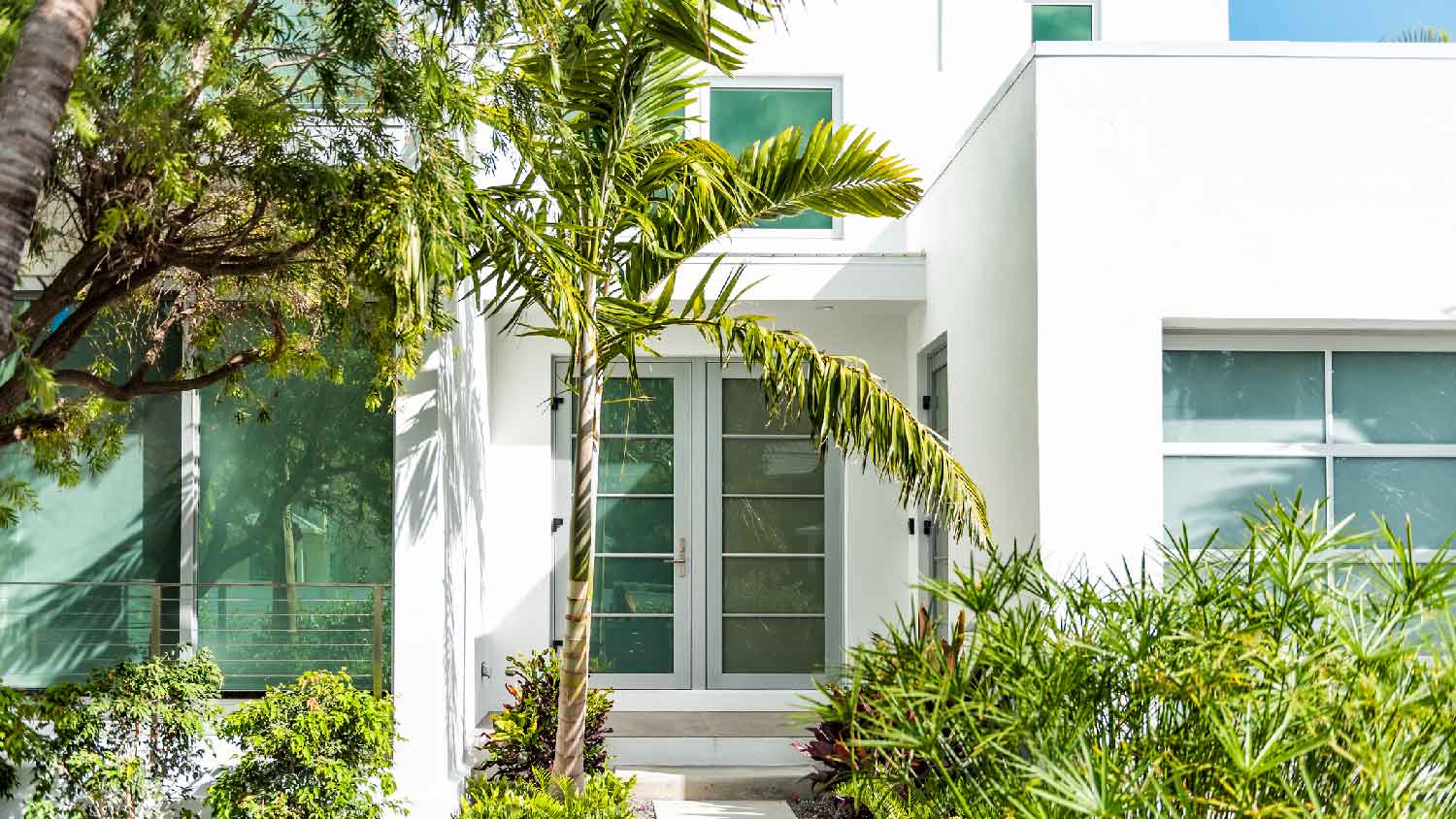
If your palm tree looks dead, there are several ways to bring it back to life. Our guide will show you what to do with a dead palm tree.
Learn how to move a palm tree while avoiding irreparable damage. Using these steps to transfer a palm tree to a new spot.