







Top-rated excavation pros.

Get matched with top excavation pros in Bedford, TX

Enter your zip and get matched with up to 5 pros

Need a pro for your excavation project in Bedford, TX?

Select your specific project to find the pro for you.

TRUSTED BY BEDFORD, TX HOMEOWNERS

  • Average homeowner rating star icon4.6
    Average homeowner rating
  • Verified reviews icon53
    Verified excavation services reviews

Find Excavation pros in Bedford

Sonart Construction Corp.
4.8(
245
)
Building Site - Preparation and ClearingBuilding Site - Preparation and Clearing - For BusinessLandscape - Minor Grading or Resloping

Serving Bedford, TX and surrounding areas

Approved

In business since 2013

Free estimates

Credit card accepted

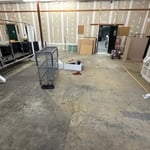
"Finally got the garage I have always wanted! These guys definitely helped make a long time Dream come true! When we purchased the house the garage was completely outdated. Definitely was in need of some TLC but Iâ m happy that they were able to provide me a good amount of options! Love love love the finished product!"
Response time10 hrs
Response rate94%
Recommended by83%of homeowners

Avatar for Epic Lawn Care of DFW
Epic Lawn Care of DFW
5.0(
21
)
Excavation - Major Grading or ReslopingLandscape - Minor Grading or Resloping

Serving Bedford, TX and surrounding areas

Approved

In business since 2023

Free estimates

Credit card accepted

"I am very well pleased the way they did the front yard And stay within my budget. The crew were very friendly and efficient doing the job And yes, I would recommend Epic Lawn Care of DFW to anyone."
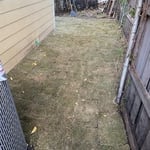
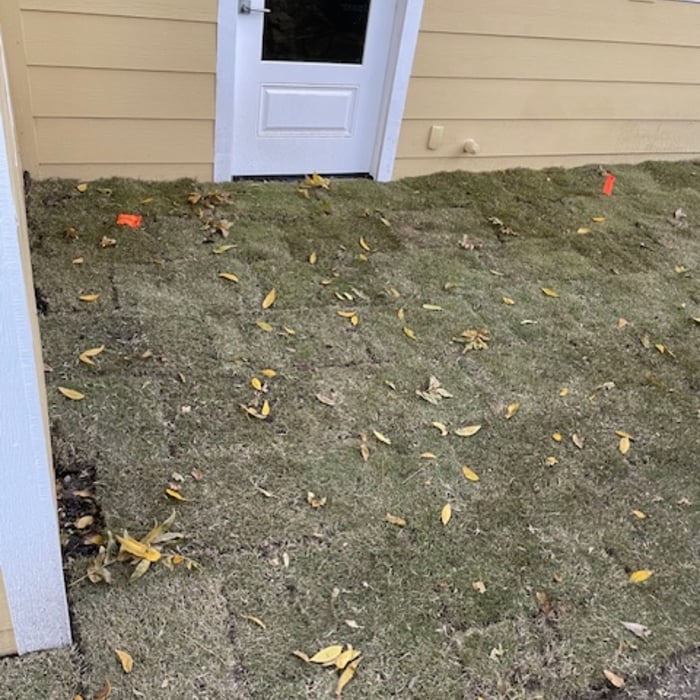
New Zoysia SOD  installed
New Zoysia SOD installed

+17

Response time6 hrs
Response rate97%
Recommended by95%of homeowners

Avatar for Turf Rescue Hardscape & Landscape Design
Turf Rescue Hardscape & Landscape Design
4.3(
29
)
Landscape - Minor Grading or Resloping

Serving Bedford, TX and surrounding areas

Approved

In business since 2006

Free estimates

Emergency services offered

"The Turf Rescue team discussed our needs first, supplied an honest quote, worked fast and cleanly! We were thrilled with the outcome- trees trimmed, lawn mowed, flower beds cleaned out and readied for spring! Will use their services again!"
34 neighbors recently requested a quote
...
Showing 1-10 of 446
Excavating questions, answered by experts

To locate an underground downspout, you should start by identifying where the above ground gutter drains. Look for an entry point, such as a pipe or elbow leading into the ground. Follow the surface path for signs like depressions, landscaping disruptions, or wet areas after rain. You can use a metal detector or plumber’s snake to trace the pipe underground. For deeper pipes, a professional locator tool or camera inspection may be necessary. Visual markers or utility maps can also guide the search.

Depth is not a qualifying component of evacuation. Any human-made cut, cavity, or depression in the earth’s surface is considered excavation. The hole from excavation can be any size, shape, or depth. Excavation is used to create foundations, reservoirs, drainage ditches, and roads. Long, narrow excavations are called trenches and are often used for underground utilities.

Trenching and boring are two distinct methods for installing underground utilities. Trenching involves digging a channel using equipment like an excavator, trencher, backhoe, or shovel. While it is a simpler process, it causes significant disruption to the surface, landscaping, and surrounding ecosystems.

Boring, also known as directional boring, is a less invasive alternative that uses a drill to create a tunnel for utility lines without disturbing the surface. This method is more precise and is ideal for installations that need to go underneath buildings, roads, or bodies of water. Although boring is less disruptive, it is generally more expensive than trenching.

Yes, you can technically make a crawl space liveable, but the only way to do so is by converting it into a basement. While some crawl spaces are big enough to walk through and store large items, they lack appropriate insulation and space to be liveable.

The digging depth will depend on the size of the trencher you use. Even smaller units can dig up to 4 feet deep, which is plenty for a DIY job. However, much larger trenchers can reach a depth of 18 feet and are better used by a team of pro contractors, not a single DIYer. As with all home improvement projects, use the right tool for the job and proceed with caution.


The Bedford, TX homeowners’ guide to excavation services

From average costs to expert advice, get all the answers you need to get your job done.