Top-rated leaf removal pros.

Get matched with top leaf removal pros in Palmyra, TN

Enter your zip and get matched with up to 5 pros

Need a pro for your leaf removal project in Palmyra, TN?

Select your specific project to find the pro for you.

TRUSTED BY PALMYRA, TN HOMEOWNERS

  • Average homeowner rating star icon4.6
    Average homeowner rating
  • Verified reviews icon57
    Verified leaf removal services reviews

Find Leaf removal pros in Palmyra

Avatar for JNT Landscaping
JNT Landscaping
4.8(
63
)
Lawn & Yard Waste Clean UpLawn Care - Fall / Spring Clean Up - For Business

Serving Palmyra, TN and surrounding areas

Approved

Super Service Award Winner

In business since 2014

Free estimates

Emergency services offered

"JNT is very professional. Joe and Tracey communicate very well. The yard looks great. The leaves have been mulched and sticks have disappeared. They go above and beyond. I would recommend them to everyone. The price is reasonable ."
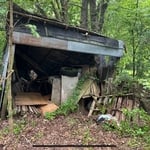
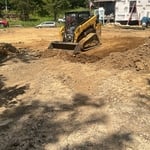
Beginning of stump removal
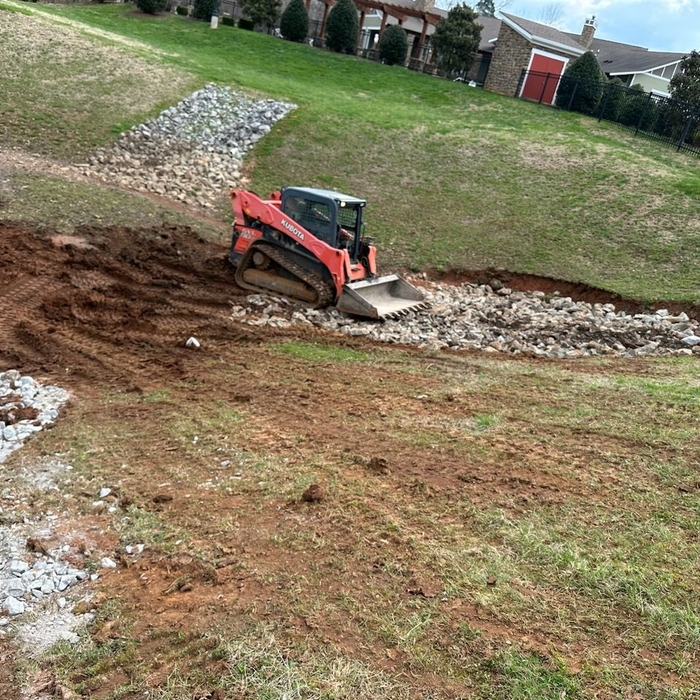
erosion correction
needs all new landscaping
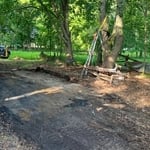
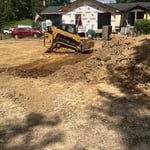
Mid way thru job
erosion control

+31

Response time1 day
Response rate89%
22 neighbors recently requested a quote
Avatar for Sikes Outdoor Services LLC
Sikes Outdoor Services LLC
4.8(
16
)
Lawn Care - Maintain and Mow a Lawn

Serving Palmyra, TN and surrounding areas

Approved

Super Service Award Winner

In business since 2023

Free estimates

Small jobs welcome

"This was a pleasant experience. Found them on Facebook after dealing with other business that never showed up not only did they show up on time but they did a wonderful job. I will only chose Sikes Outdoor Services for any of my projects no matter how big or small. Very professional workers. Also found out veteran owned business which is always a plus!!"
Flower bed make over
Response time4 hrs
5 neighbors recently requested a quote
...
Showing 1-10 of 180
Leaf Removal questions, answered by experts

Chlorine has a shelf life of between six months and several years, depending on its type and formulation. Liquid chlorine can often lose its effectiveness in just a few weeks. Pool owners can find themselves with overstock that they need to get rid of. The best way to dispose of excess chlorine is to take it to a hazardous waste collection site and let the pros handle it.  

Exterior paint contains a higher level of VOCs, which can be dangerous if you’re exposed to it for a long period of time. The good news is that paint’s toxicity reduces significantly once fully dried and cured. Do not keep open exterior paint cans in your home, basement, or garage, exposing your household to harmful chemicals over time.

Disposing of old paint, bleach, oil, and fertilizer should be handled by a company that specializes in this kind of waste. Many private junk removal companies do not dispose of these items. Because these materials are hazardous to the environment and dangerous to handle or dispose of improperly, you should confirm with your local municipality about places to take hazardous materials for safe disposal. 

Lead toxicity comes from inhaling lead or consuming it. Before the 1980s, when the government banned lead from consumer use, it could be found in paint, plumbing, pipes, ceramics, and even gasoline. Lead paint is toxic for the same reason lead itself is toxic, which is why lead poisoning from paint presents the same as lead poisoning from water or food sources, with a slight increase in respiratory symptoms vs. digestive symptoms. Lead paint is most dangerous when it’s old and peeling, cracking, or otherwise disturbed. This increases the concentration in the air and, therefore, in breathable air. 

According to the Environmental Protection Agency (EPA), hazardous waste is generally classified into four main categories:

1. Characteristic Wastes: These exhibit at least one of four hazardous traits: ignitability (flammable, like gasoline), corrosivity (can rust or decompose materials, like car batteries), reactivity (unstable and can explode, like aerosol cans), or toxicity (harmful when ingested, like lead-based paint).

2. Listed Wastes: These are specific wastes from manufacturing and industrial processes that the EPA has officially designated as hazardous. They include byproducts from processes that use solvents, pesticides, and other chemicals.

3. Universal Wastes: These are commonly generated hazardous items that are subject to streamlined regulations. Examples include batteries, pesticides, mercury-containing equipment (e.g., bulbs), and some lamps.

4. Mixed Wastes: This category includes waste that contains both hazardous and radioactive components, making it subject to regulation by both the EPA and the Nuclear Regulatory Commission.

The Palmyra, TN homeowners’ guide to leaf removal services

From average costs to expert advice, get all the answers you need to get your job done.