




Top-rated electricians.

Get matched with top electricians in Hohenwald, TN

Enter your zip and get matched with up to 5 pros

Need a pro for your electrical service project in Hohenwald, TN?

Select your specific project to find the pro for you.

Find Electricians in Hohenwald

Avatar for MidSouth Electric, Inc.
MidSouth Electric, Inc.
4.4(
15
)
Fixed Generator - InstallElectric Vehicle Charging Station Installation - Materials Not ProvidedCeiling Fan - Install+17 more

Serving Hohenwald, TN and surrounding areas

Approved

In business since 2019

Free estimates

Emergency services offered

"The Mid South Electric team are very quick to respond, extremely knowledgeable, get the job done quickly and we always know it’s done right. Without a doubt, this is the company to call on for your electrical needs."
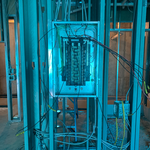
Additional Photos
Additional Photos
Additional Photos
Additional Photos
Additional Photos

+1

Response time1 day
4 neighbors recently requested a quote
Recommended by84%of homeowners
Avatar for Sisk Electric
Sisk Electric
5.0(
13
)
Electrical Wiring or Panel UpgradeElectrical Switches, Outlets & Fixtures - Install or RepairFixed Generator - Install+9 more

Serving Hohenwald, TN and surrounding areas

Approved

Super Service Award Winner

In business since 2024

Free estimates

Emergency services offered

"Great experience with Tyler. Installed a service, panel, multiple lights and outlets. Always showed up when he said he would. Also installed a new ceiling fan in the house. We will definitely call him in the future and recommend Sisk Electric to anyone needing a qualified and quality electrician"
Response time2 days
8 neighbors recently requested a quote
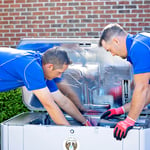
Recommended by38%of homeowners
Avatar for Tri-State Water, Power & Air
Tri-State Water, Power & Air
5.0(
6
)
Fixed Generator - InstallGenerator - InstallGenerator - Install - For Business

Serving Hohenwald, TN and surrounding areas

Approved (Corporate)

In business since 1992

Free estimates

Emergency services offered

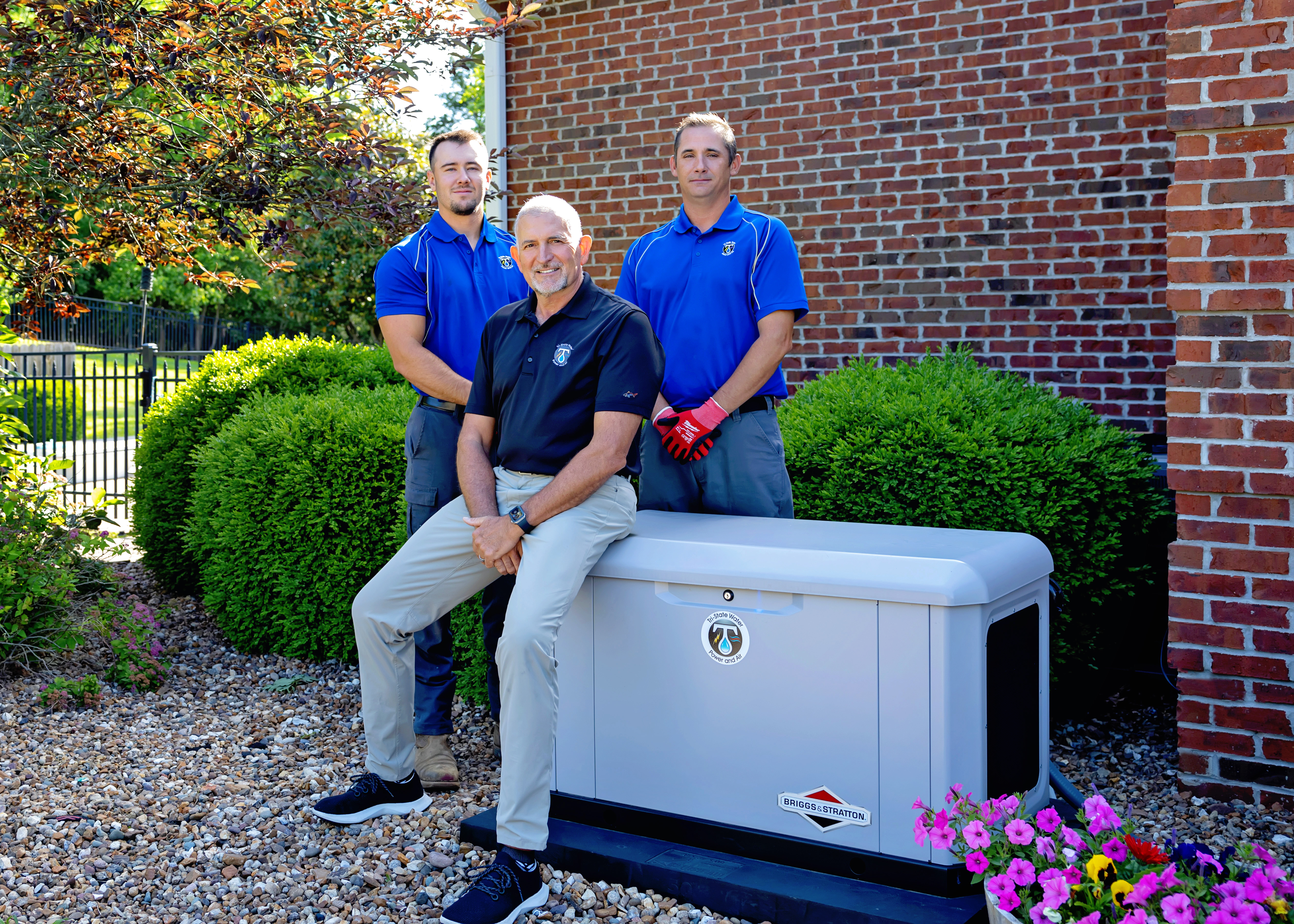
We are the experts in the field of Whole Home Generator Sales and Installation, with over 20 years of experience in the game. We provide turn-key installation by licensed professionals - 24 hour emergency service - Remote Monitoring - Long term maintenance and service by factory trained technicians.

Additional Photos
Additional Photos
Additional Photos
Additional Photos
Additional Photos

+3

97 neighbors recently requested a quote
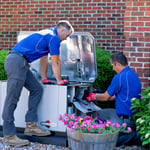
Recommended by16%of homeowners
Avatar for W B Lightning Rods
W B Lightning Rods
4.6(
367
)
Lightning Protection - Install or Repair

Serving Hohenwald, TN and surrounding areas

Approved

In business since 2001

Free estimates

Warranties offered

"We have been hit twice by lightning by God's grace either one hit our home however the last strike burnt art motorhome to the ground William was hired to install lightning protection lightning rods on our home and two out buildings he took the time to explain to us everything we needed to know answering every question professionally conducted himself in the utmost professional manner I would highly recommend lightning rods and even more highly recommended hiring William to do the job we are going to do an expansion later on and he will be the one and only contractor I will call to continue our lightning protection"
lightning protection
 Residential LPS
lightning protection
 Residential LPS
lightning protection

+79

Response time1 day
93 neighbors recently requested a quote
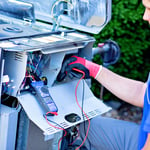
Recommended by98%of homeowners
...
Showing 1-10 of 70
Electrical questions, answered by experts

Yes, pool pumps use a significant amount of electricity, making them one of the biggest energy consumers in a home. A pool pump can use up to three times as much electricity as a refrigerator. Typically, a residential pool pump consumes about 1 kilowatt-hour (kWh) for every hour it runs. Because pumps often need to run for about eight hours a day to properly filter the water, this can add up to an annual consumption of 3,000 to 5,000 kWh, which can cost between $480 and $800 per year based on average electricity rates.

The amount of electricity your pump uses depends on its size, energy efficiency, and daily run time. To lower your energy consumption, you can choose an energy-efficient or variable-speed pump, ensure it is correctly sized for your pool, and run it only for the minimum time required to keep the water clean.

Yes, hot tubs can use a significant amount of electricity, primarily to keep the water heated. A typical hot tub uses between 1,500 and 6,000 watts, and the pump can add another 1,500 watts. This usage can result in a monthly cost of around $20 to $30. The exact amount of electricity consumed depends on several factors, including the hot tub's age, size, heater voltage (120V vs. 240V), usage habits, and thermostat setting. Newer, energy-efficient models generally use less power than older ones. To reduce electricity costs, consider investing in an energy-efficient model, using a quality insulated cover with a thermal blanket, and keeping the filters clean.

No, you should never plug a generator directly into a wall outlet in your house. This practice is extremely dangerous, often illegal, and can cause "back-feeding," where power from the generator flows back into utility lines, creating a life-threatening hazard for utility workers. It can also damage your home's electrical system, including appliances like pumps and HVAC fans. If the main power is restored while the generator is connected, it can destroy the generator and cause an electrical fire. To safely connect a generator, you must use a professionally installed transfer switch or an interlocking kit, which prevents back-feeding by disconnecting your home from the utility grid before the generator provides power.

GFCI stands for Ground Fault Circuit Interrupter, a standard safety addition to home power outlets. In rooms where moisture is more likely, like the bathroom and kitchen, GFCI outlets stop the current when certain kinds of shorts are detected, preventing shocks. Both GFCI and the similar AFCI (Arc Fault Circuit Interrupter) outlets are polarized and have clear indicators on the receptacle where hot wiring should go.

While washers and dryers do not require a GFCI (ground fault circuit interrupter) outlet to function properly, electrical codes often mandate their use for safety. The National Electrical Code (NEC) requires GFCI protection for all outlets within six feet of a water source. This means a washer and dryer must be plugged into a GFCI outlet if they are installed in locations like a laundry room, utility room, garage, or basement. In other areas without a nearby water source, there is no specific requirement, but using a GFCI outlet is still recommended for extra peace of mind. It is always best to consult your local codes and regulations to ensure compliance and safety.

The Hohenwald, TN homeowners’ guide to electrical services

From average costs to expert advice, get all the answers you need to get your job done.