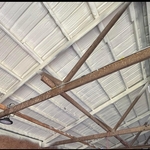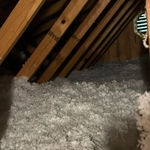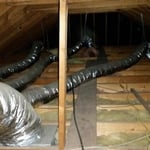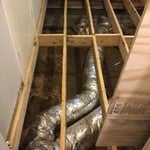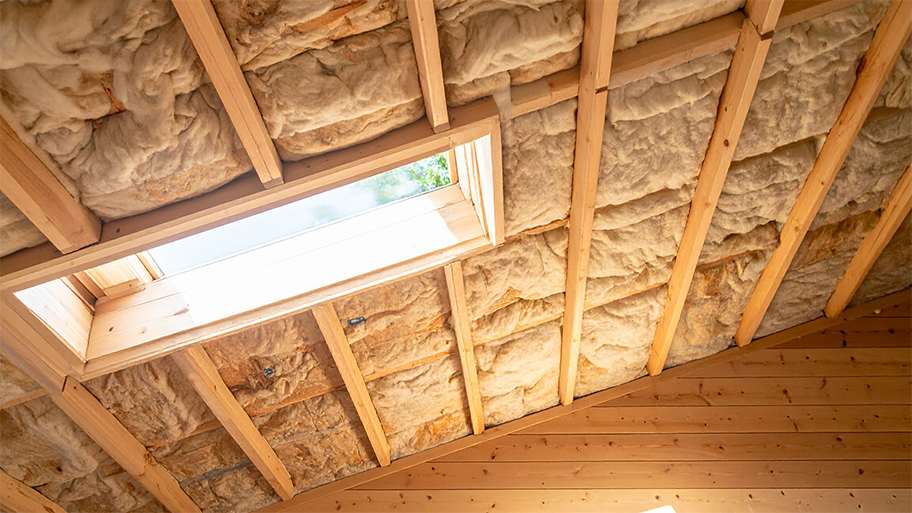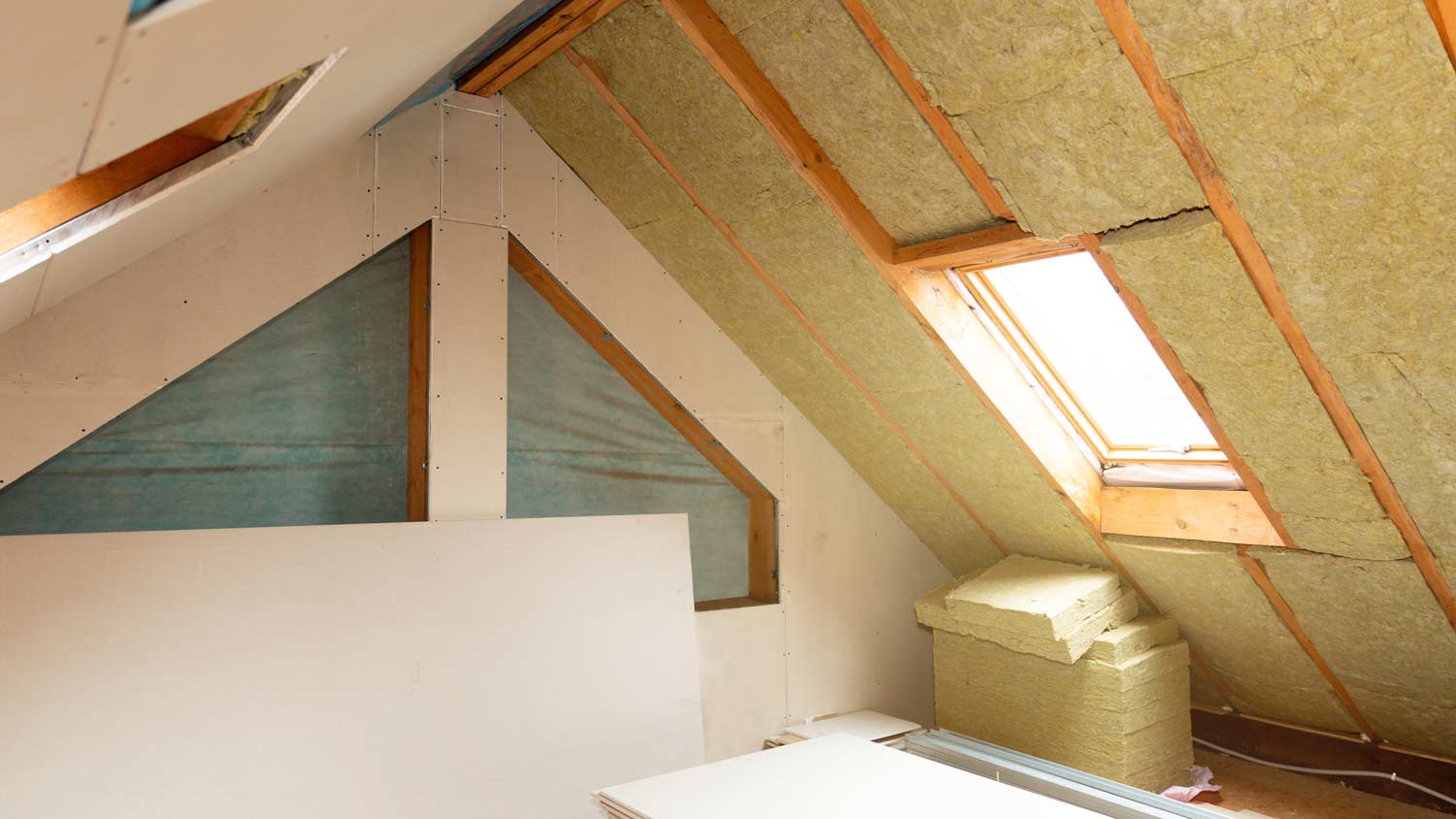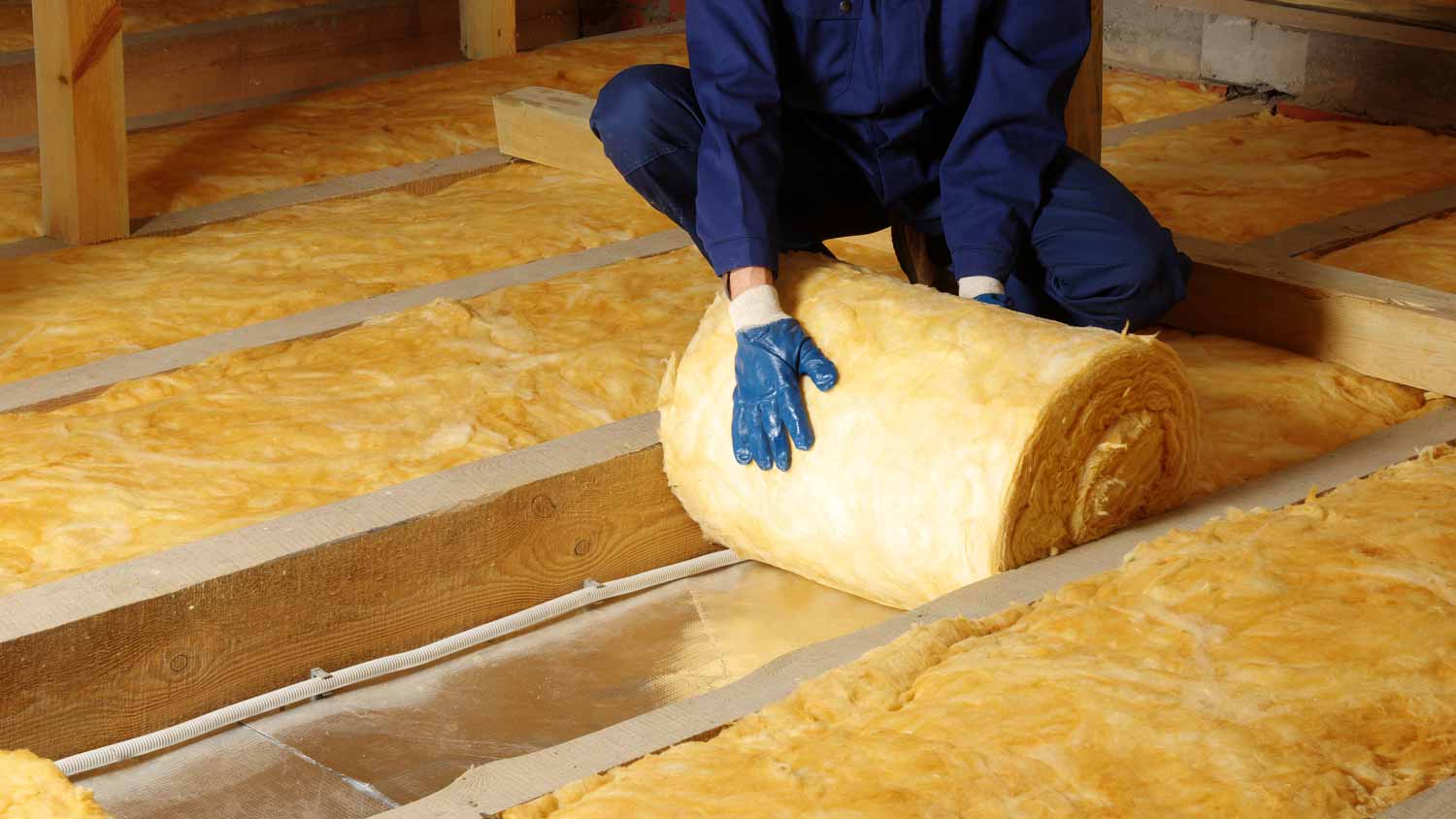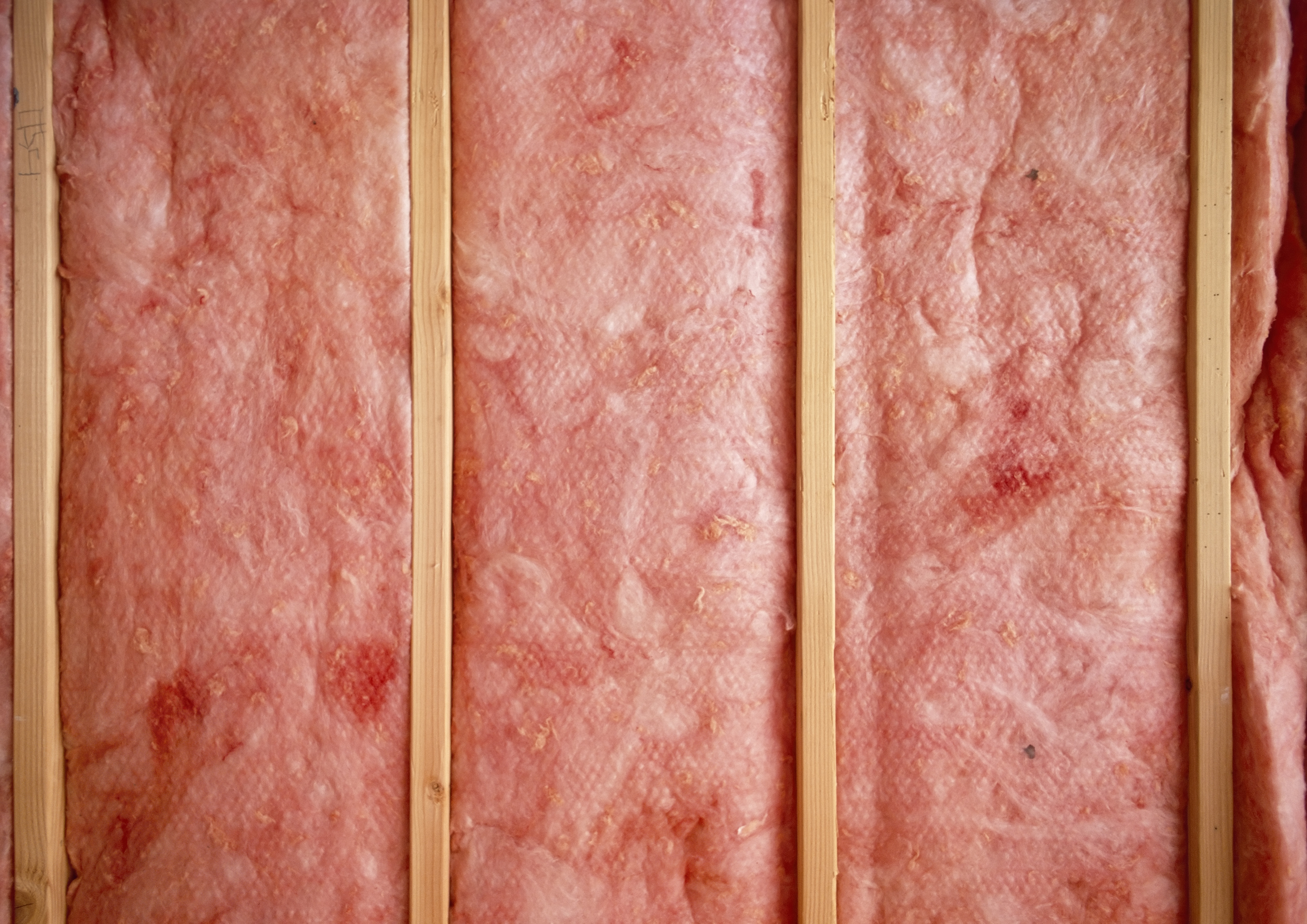




It's essential to use insulation materials specifically designed for air ducts. Common types of duct insulation materials include fiberglass, foam board, and reflective foil. These insulation materials have the right properties to withstand the temperature and airflow conditions within the ductwork. Using the appropriate insulation not only ensures efficient temperature control but also prevents potential safety hazards or the release of harmful particles into the air.
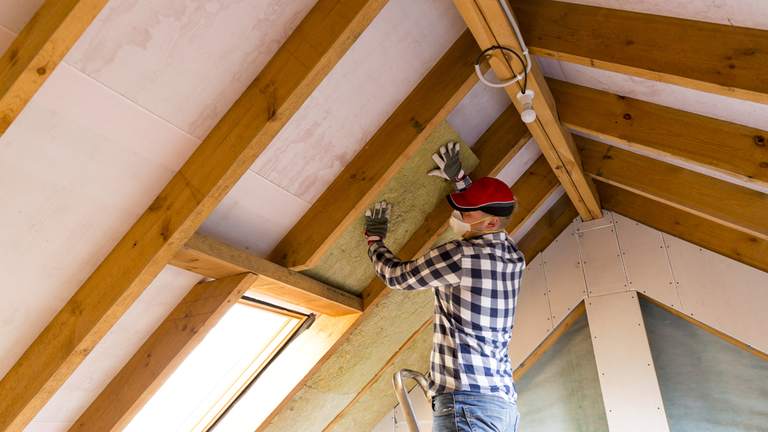
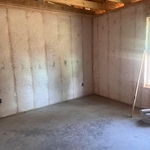
While insulation is required for all exterior walls in a house, it is not typically required for interior walls. Local and state building codes mandate that new construction homes have adequate insulation in exterior walls and ceilings to suit the local climate.
However, there are several benefits to adding insulation to interior walls. It is excellent for sound-dampening between rooms and can help with temperature control by maintaining a regulated temperature in specific rooms and lowering heat transfer between adjacent areas. Insulating interior walls can also contribute to the overall energy efficiency of your home.
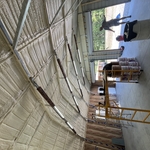
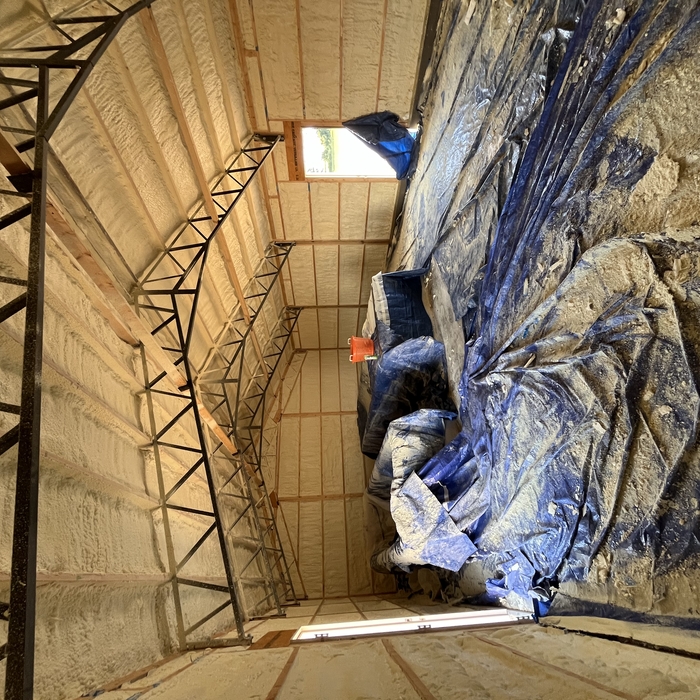
It is possible to insulate your walls without removing drywall, but it’s not a good idea to attempt the work yourself. A professional can use blown-in insulation or spray foam insulation to fill wall voids without opening up the walls, and the option they use typically depends on your climate and whether or not there’s insulation in your wall already that can remain in place. Spray foam insulation costs more and isn’t always a viable option, but it’s a better insulator. Call in an expert to help decide which is right for you.
Air duct insulation typically lasts for 10 to 15 years or even longer, depending on the material and maintenance. It's important to conduct periodic inspections to check for signs of deterioration, such as water damage, tears, or general wear. If you find any of these issues, it may be time for repairs or a full replacement. You might also consider upgrading your insulation even if it's in good shape to improve your home's energy efficiency and enhance your HVAC system's performance with newer, more effective materials.
Rigid foam board insulation is one of the safest insulation materials for basement walls. The panels offer a moisture barrier to prevent mold and mildew build-up. At the same time, this material is also fire-resistant, so you don’t have to worry as much about a fire breaking out as you would with spray foam insulation.
The Henning, TN homeowners’ guide to insulation services
From average costs to expert advice, get all the answers you need to get your job done.
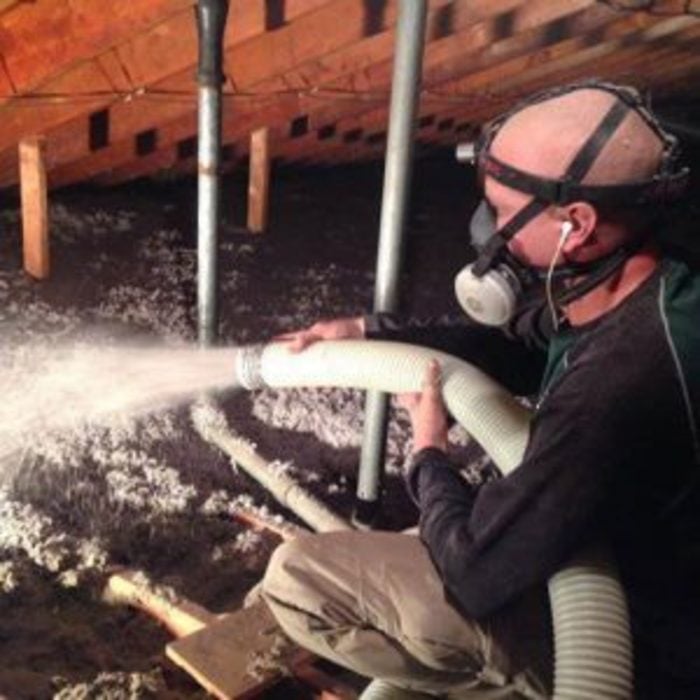
The cost of blown-in insulation costs varies depending on the type of insulation, labor, prep work, and more. Learn more about the cost factors in this guide.
Discover the average injection foam insulation cost, key price factors, and ways to save. Get transparent estimates to plan your home insulation project confidently.
Learn how to decide if your home needs dryer vent insulation to protect your vent from drafts and moisture that can make your energy usage less efficient. Poorly ventilated dryer vents also increase mold risks!
Read our step-by-step guide and learn how to remove fiberglass insulation. Our instructions will help you remove this tricky material quickly and safely.