
Top-rated asphalt driveway pros.
Get matched with top asphalt driveway pros in Gleason, TN

Enter your zip and get matched with up to 5 pros

Need a pro for your asphalt driveway service project in Gleason, TN?

Select your specific project to find the pro for you.

Find Asphalt driveway pros in Gleason

Avatar for Wortham Masonry
Wortham Masonry
New to Angi
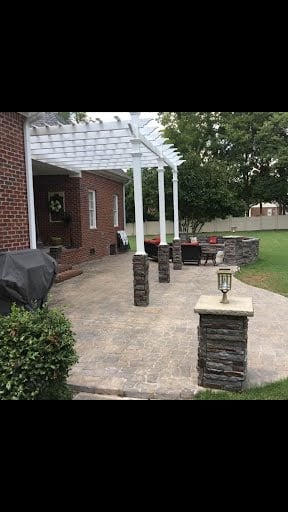
Concrete Driveways - InstallBrick and Stone Driveways & Floors - InstallInterlocking Pavers for Driveways & Floors - Install

Serving Gleason, TN and surrounding areas

Approved

In business since 1990

Free estimates

We have the experience and we are committed to providing quality workmanship and superior customer service on all our applications. We at Wortham Masonry strive to maintain our reputation as a high quality, very service oriented company with our main focus being customer satisfaction.

2 neighbors recently requested a quote
...
Showing 1-10 of 51
Asphalt Driveways questions, answered by experts

Wet cutting is usually the preferred method. It controls dust, which helps protect your lungs and makes for a cleaner working environment. Plus, the water cools the blade, preventing overheating and prolonging its life while providing smoother, more precise cuts. The downside is the mess—water and asphalt sludge can be messy to clean. Dry cutting, though convenient if water isn’t available, creates a lot of dust, which can be harmful. This also increases the risk of blade damage due to overheating. So, if you have the option, wet cutting is the better method for most asphalt jobs.

Overall, a paver driveway is considered the easiest to maintain because homeowners are able to do driveway repair one piece at a time without impacting the rest of the driveway. Unlike paved options, paver driveways contain individual stones that aren't physically connected. By comparison, you may need to reseal or redo a full asphalt driveway if just one portion sustains a significant crack.

Yes, it is possible to pave over an existing driveway, but whether it's the right choice depends on several factors. If the underlying structure of your current driveway is still strong, concrete or asphalt resurfacing can be a cost-effective way to prolong its life. However, if your driveway has significant issues like potholes, deep cracks, or other inconsistencies, it is best to remove the old driveway and start from scratch. Key factors to consider include the current driveway's condition, the compatibility of the new material, the added thickness and height, and the necessary surface preparation.

Asphalt and tarmac are not the same thing. Traditional tarmac, short for tarmacadam, uses tar as a binder to hold crushed stone together. Asphalt uses bitumen—a byproduct of crude oil—to bind aggregate. Though tarmac was once a go-to for roads, asphalt has become the modern standard. And these days, most surfaces referred to as “tarmac” are actually asphalt. So, while the names may overlap, the key distinction lies in the binder—tar for tarmac and bitumen for asphalt.

Driveway aprons typically range between four and seven inches thick, though your town's building codes will likely have specific requirements. Additionally, you may need to add a layer of permeable aggregate in the excavation below your paved apron to ensure proper stormwater drainage.

The Gleason, TN homeowners’ guide to asphalt driveway services

From average costs to expert advice, get all the answers you need to get your job done.