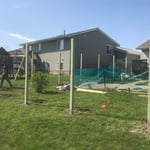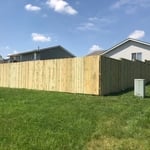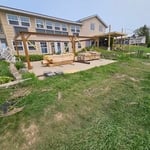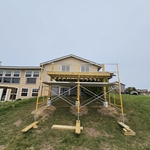







Top-rated deck repair pros.

Get matched with top deck repair pros in Vermillion, SD

Enter your zip and get matched with up to 5 pros

Need a pro for your deck repair project in Vermillion, SD?

Select your specific project to find the pro for you.

Find Deck repair pros in Vermillion

Avatar for Falls Finish Works LLC
Falls Finish Works LLC
5.0(
5
)
Deck or Porch - Repair

Serving Vermillion, SD and surrounding areas

In business since 2024

Free estimates

Credit card accepted

We pride our company on reliability, great communication, \nintegrity, and quality work. We are experts in our trade and will do our best \nto keep you as educated as we can on your particular task or project. We look forward to earning your business!\n

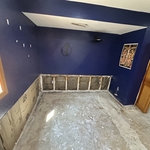
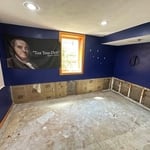
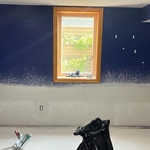
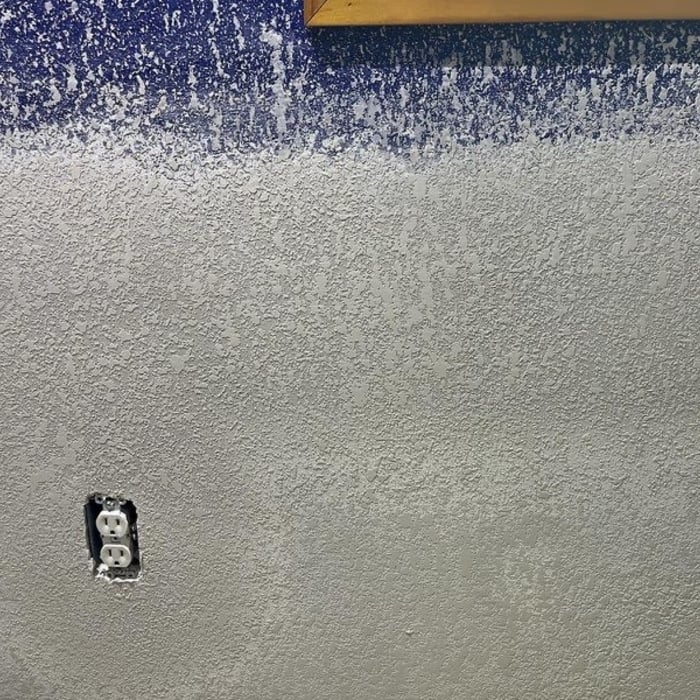
Drywall Repair
Drywall Repair
Drywall Repair
Drywall Repair
Drywall Repair

+1

Showing 1-10 of 24
Deck Repair questions, answered by experts

Typically, most residential wooden decks are designed to support approximately 40 pounds per square foot, including the deck’s weight and any items placed on it. While this is fine for typical use, it is usually not enough to hold the weight of a hot tub filled with water and people. To safely support a hot tub, your wood deck will likely require reinforcement. Therefore, it’s best to have a contractor or a structural engineer assess it before hot tub installation.

Composite decking requires a solid foundation, substructure, or subframe to ensure stability. This base is typically composed of posts, beams, joists, and footings. The frame's joists can be built from various materials like composite, plastic, timber, or metal, as long as the base can support the deck's weight without shifting. A professional deck builder might recommend installing the frame on a solid concrete base for added durability. The final design and materials for the substructure will depend on your budget, the type of deck, and environmental conditions.

There are approximately 5.33 board feet in a 2x4. You can use the board foot calculator in this article to easily find the answer. A 2x4 is 2 inches of thickness by 4 inches of width, so you need to find the length, with 8 feet being the most common. You’d use the calculator here to multiply 2 times 4 times 8, and then divide by 12, arriving at a total of 5.33 board feet. 

In most cases, your deck will need some form of deck footing to hold it in place, preventing moisture from rotting your wood and decreasing your deck’s lifespan. Concrete deck blocks are the most common type of footing for floating decks. Some homeowners use ground-level deck footings. For added security, consider digging and laying your ground-level footings below ground.

As with patios, there are many types of deck choices to choose from to add personalization to your home. Some common deck options include:

  • Attached decks are anchored to the home and include simple ground-level options or multi-level structures with stairways and separate landings. 

  • Detached island decks are not attached to the home; they’re a freestanding structure in the yard. 

  • Wraparound decks connect the back of the house with at least one other side and often are built with railings for safety. 

  • Multi-level decks connect your deck through varying levels of elevation, featuring landings that are attached to stairs.

The Vermillion, SD homeowners’ guide to deck repair services

From average costs to expert advice, get all the answers you need to get your job done.