



Top-rated deck repair pros.

Get matched with top deck repair pros in Jefferson, SD

Enter your zip and get matched with up to 5 pros

Need a pro for your deck repair project in Jefferson, SD?

Select your specific project to find the pro for you.

Find Deck repair pros in Jefferson

Avatar for JWM Construction LLC
JWM Construction LLC
5.0(
5
)
Deck or Porch - RepairDeck or Porch - Repair - For Business

Serving Jefferson, SD and surrounding areas

In business since 2024

Free estimates

Emergency services offered

"Replaced doors, windows, trim, sheetrock and siding. Excellent customer service skills. All were very polite and made sure everything was how we wanted it before they started in. The products and work as well as creativity to enhance everything to be long lasting strong as well as a professional finished look."
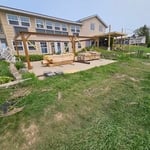
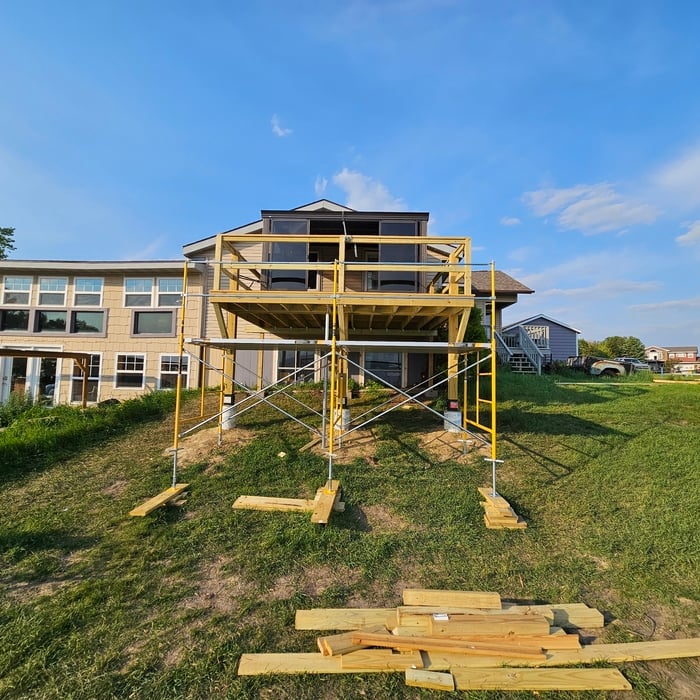
New deck build
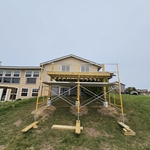
New deck build
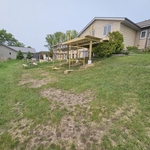
New deck build
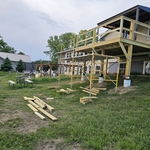
New deck build
New deck build

+21

Response time3 days
Response rate93%

Showing 1-10 of 18
Deck Repair questions, answered by experts

The best base materials for a ground-level or floating deck are typically gravel and crushed stone (also known as landscaping rocks). These options are inexpensive, provide excellent drainage, prevent weeds, and help minimize moisture buildup, which reduces shifting and rotting. For added stability and to evenly distribute the weight, you can use concrete deck blocks or pavers. While more expensive, concrete blocks and pavers offer a sturdier base than gravel or crushed stone alone.

If you want to make a deck cleaner from products already in your home, there are various options. The most common is to use a gentle blend of 1 gallon of warm water and 2 tablespoons of ammonia-free dish soap. You can also mix water with distilled vinegar. Sprinkling on some baking soda can help to remove mold and mildew. You can add oxygen bleach (but never damaging chlorine bleach) to the water and ammonia-free dish soap solution for something a bit stronger. 

Yes, deck pier blocks can be used as an alternative to traditional deck footings, particularly for small or low-to-the-ground decks. Unlike poured concrete and buried post footings, deck blocks don’t require digging or pouring. However, their use is regulated by local building codes, and they may not be permitted in areas prone to high winds, earthquakes, or hurricanes. Always consult your local building codes before choosing them for your deck project.

Liquid rubber is great for waterproofing, but it can damage your deck if it’s not applied correctly. First, it can trap moisture in the wood if the deck isn’t completely dry before application.  Second, applying it too thickly can create a heavy, rubbery surface layer that peels and cracks under fluctuating temperatures. For the best results, ensure the wood is completely dry before application, and apply the liquid rubber in thin, even coats. A quick inspection every now and then will help you catch any issues early, keeping your deck protected and looking its best.

Because adding a deck will yield a higher property value, you may have higher insurance costs. It’s important to follow the codes and regulations set by your local and state governments, so your insurance rates can be properly calculated. You may need an insurance revaluation after your deck is completed. The best course of action is to speak with an insurance professional to understand how adding a deck will impact your home’s insurance costs before you begin.

The Jefferson, SD homeowners’ guide to deck repair services

From average costs to expert advice, get all the answers you need to get your job done.