


Top-rated deck repair pros.

Best deck repair pros near Elk Point, SD

Enter your zip and get matched with up to 5 pros

Need a pro for your deck repair project in Elk Point, SD?

Select your specific project to find the pro for you.

Top-Rated Deck repair pros in Elk Point - Updated Nov 2026

Showing 1-10 of 17
Deck Repair FAQs, answered by experts

In many areas, a floating deck that isn’t connected to your home and stays under 200 square feet and below 30 inches in height may not need a permit. These freestanding structures are often considered low-risk, which can simplify the building process. However, building codes vary greatly based on location. Before investing in any home improvement project, check with your local permitting office for deck-building guidelines.

Any wood deck provides some ventilation to the area below, as is the nature of that type of deck design. However, areas that experience excessive humidity and associated moisture benefit greatly from a dedicated ventilation system in the form of strip vents. This addition helps the various wood boards contract and expand evenly throughout the years and reduces the chances of twisting, warping, and buckling.

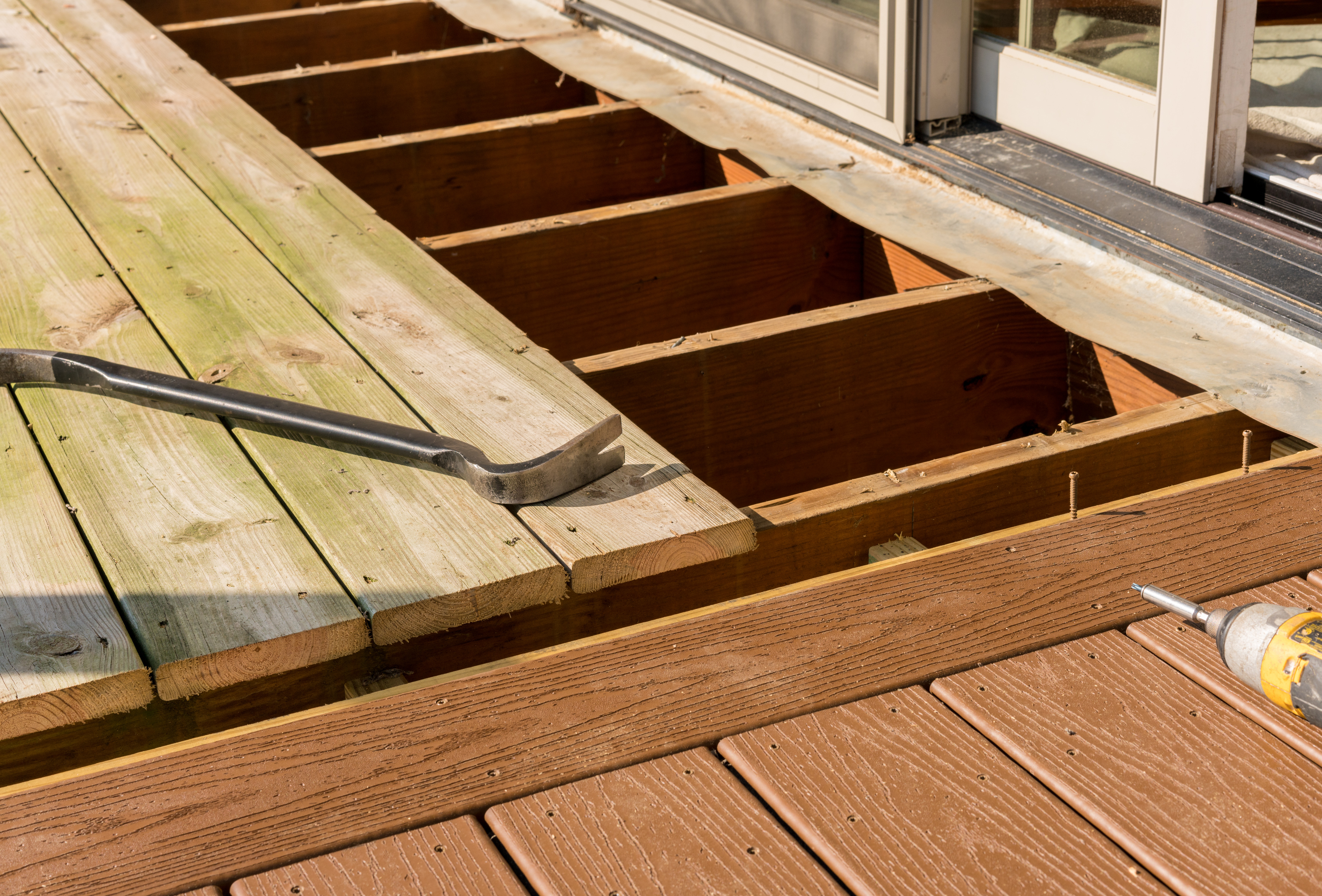
Cutting the boards directly is one of the fastest ways to remove deck boards with hidden fasteners. Mark two parallel lines that are one-third of the total measurement on both ends and cut out the centerpiece. Then, remove the end of the board that doesn’t have a fastener. Finally, pry open the fastened side and pull it up to pop out the screw or access the fastener. This also allows you to salvage portions of boards for other projects.

A deck that isn’t attached to a house is called a floating or freestanding deck. These standalone decks are built near ground level, so they usually don’t need deck stairs. Some don’t even require permits. Generally speaking, building a floating deck is faster and more DIY-friendly than constructing one that’s connected to your home.

The overhang, or nosing, of deck steps is another area that will be covered in building code requirements. The noses on your deck steps should have a minimum overhang of ¾ inch. For safety, usability, and code compliance, the nosing of deck steps should not extend past 1¼ inches.

The Elk Point, SD homeowners’ guide to deck repair services

From average costs to expert advice, get all the answers you need to get your job done.