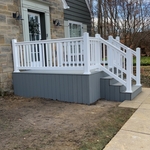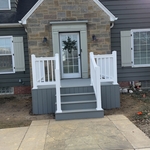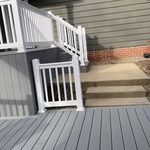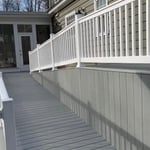

Top-rated deck repair pros.

Best deck repair pros near Lennox, SD

Enter your zip and get matched with up to 5 pros

Need a pro for your deck repair project in Lennox, SD?

Select your specific project to find the pro for you.

TRUSTED BY LENNOX, SD HOMEOWNERS

  • Average homeowner rating star icon4.4
    Average homeowner rating
  • Verified reviews icon27
    Verified deck repair services reviews

Top-Rated Deck repair pros in Lennox - Updated Nov 2026

Avatar for Prairie Grass Construction LLC
Prairie Grass Construction LLC
5.0(
4
)
Deck or Porch - Repair

Serving Lennox, SD and surrounding areas

Approved

In business since 2022

Free estimates

Small jobs welcome

"I had a great experience with Jordan. He Was polite and very timely. His bid was spot on and the cost was exactly what he said it was going to be. He had several different recommendations to make the project even better when it came to insulation. I would definitely use Jordan again And refer him to other people I know."
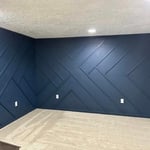
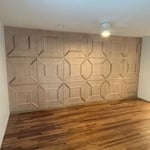
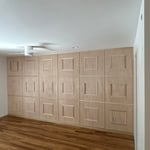
Accent Wall
Accent Wall
Accent Wall
Cabinet Install
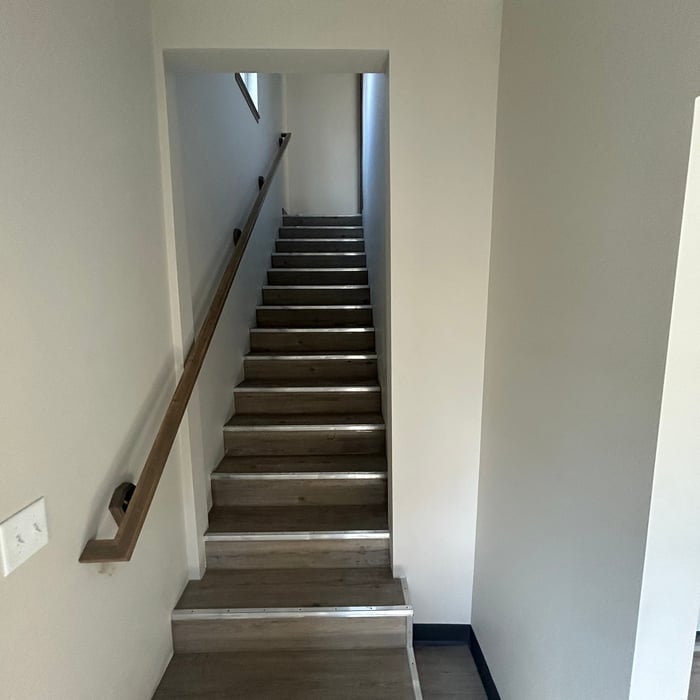
New Stair Case

+97

Response time2 days
2 neighbors recently requested a quote

Recommended by100%of homeowners
Showing 1-10 of 48
Deck Repair FAQs, answered by experts

Liquid rubber is great for waterproofing, but it can damage your deck if it’s not applied correctly. First, it can trap moisture in the wood if the deck isn’t completely dry before application.  Second, applying it too thickly can create a heavy, rubbery surface layer that peels and cracks under fluctuating temperatures. For the best results, ensure the wood is completely dry before application, and apply the liquid rubber in thin, even coats. A quick inspection every now and then will help you catch any issues early, keeping your deck protected and looking its best.
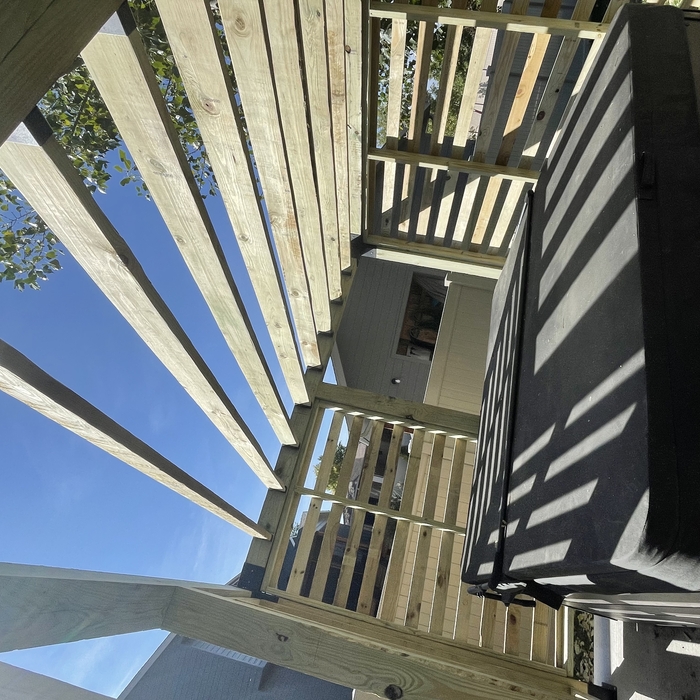

The best way to sand a deck is by cleaning it, sanding the boards and stairs with 60- or 80-grit sandpaper, and sanding the railings and posts with 80-grit sandpaper. You should sand in the direction of the wood grain to avoid damaging the timber. When sanding your deck, use medium pressure and aim for an even sand. Pressing too hard with a sander can damage decks, as most are softwoods.

Building codes for deck railings can vary by location, so it's important to consult your local regulations before construction. Generally, a guardrail is required for any deck that is more than 30 inches above the ground.

For residential properties, the standard minimum height for a deck railing is 36 inches. However, some states and municipalities have stricter requirements; for example, California and Washington mandate railings that are at least 42 inches high. Therefore, a 42-inch railing is not considered too high and may be required in your area or chosen voluntarily for additional safety.

In addition to height requirements, codes also specify other safety features, such as the maximum spacing between balusters to ensure they are close enough to prevent a child from squeezing through.

The overhang, or nosing, of deck steps is another area that will be covered in building code requirements. The noses on your deck steps should have a minimum overhang of ¾ inch. For safety, usability, and code compliance, the nosing of deck steps should not extend past 1¼ inches.

A covered deck can be a good investment that increases your home value—especially if you live in a hot region with a lot of sun. A covering over the deck means you can get more use out of it, even on the hottest summer days. With a permanent deck covering, you can even add ceiling fans to help cool down your deck for added comfort.

The Lennox, SD homeowners’ guide to deck repair services

From average costs to expert advice, get all the answers you need to get your job done.