While a rented dumpster can handle a wide variety of materials, there are significant restrictions on what is allowed. Generally, you can dispose of most non-hazardous household junk, yard waste, and construction debris.
Accepted items typically include:
Furniture, carpets, old linens, and toys
Wood and yard debris
Small appliances and excess trash
Renovation waste like old finishes, building debris, and roofing materials (unless they contain lead paint or asbestos)
However, you cannot put toxic, flammable, or hazardous materials in a dumpster. Prohibited items almost always include:
Paint, gasoline, oil, and other fuels
Household cleaners and other chemicals
Electronics, batteries, and tires
Refrigerators, hot water tanks, and medical waste
Since regulations can vary by location and company, it is essential to check with your dumpster rental provider for their specific list of accepted and prohibited items before you begin.
The legality of blowing leaves into the street depends on your city or county laws. Many cities have codes that restrict blowing leaves into the street because it can obstruct the view of nearby drivers and make cars dirty, not to mention angering neighbors. Violations can result in a fine or other problems. You can check the codes on your municipal government website to learn more local guidelines, but avoid spraying leaves into streets for now.
Excavators work in tandem with dump trucks to haul away excess dirt and soil. The excavator will dig into the ground and move the excess dirt into a pile. Using a backhoe, the specialist can fill a truck with excavated soil from that pile. They will then drive the truck to a different location where they can dump the material.
You cannot put anything you want into a rented dumpster, as there are significant restrictions on certain items.
Generally allowed items include:
Household Junk: Furniture, old linens, carpets, toys, small appliances, and excess trash.
Construction & Yard Debris: Wood, yard debris, roofing materials, old finishes, and other construction waste.
Commonly prohibited items include:
Hazardous Materials: Toxic waste, medical waste, dangerous chemicals, items with lead paint, and asbestos.
Flammables: Gasoline, oil, and fuel.
Specific Banned Items: Paint cans, electronics, batteries, tires, refrigerators, and hot water tanks.
Because rules can vary, you should always check with your specific dumpster rental company for their guidelines if you are unsure about an item.
Digging a bush up by the roots is the most natural DIY method for removing a bush stump. Start by identifying the shrub type and revealing its roots. Cut the shrub to its base and loosen the soil, ensuring no utility lines are nearby. Optionally, treat the base with herbicide, then dig around the roots and cut a circle around the shrub using various tools. Dig a trench, cut the base of the root ball, and finally fill the hole to prevent regrowth. This thorough process ensures complete removal without damaging surrounding areas.
The Timber Lake, SD homeowners’ guide to brush chipping services
From average costs to expert advice, get all the answers you need to get your job done.
The cost of a tar and chip driveway falls between gravel and asphalt. Is this unique process the happy medium you've been looking for? Let's take a look.
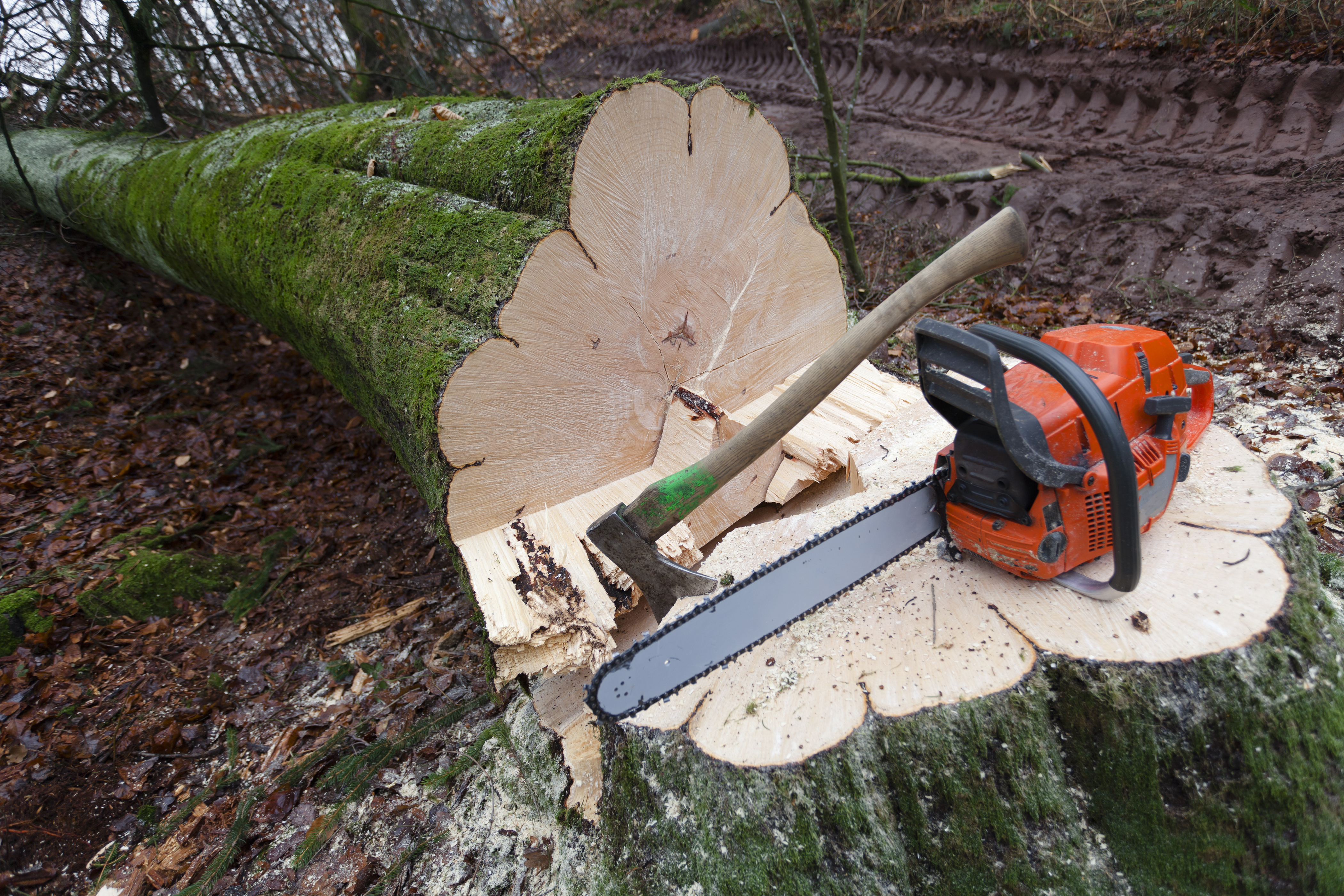
If your painted deck is less than appealing, it's time for a refresh. DIY your paint removal from your deck to enjoy your outdoor space for many seasons.
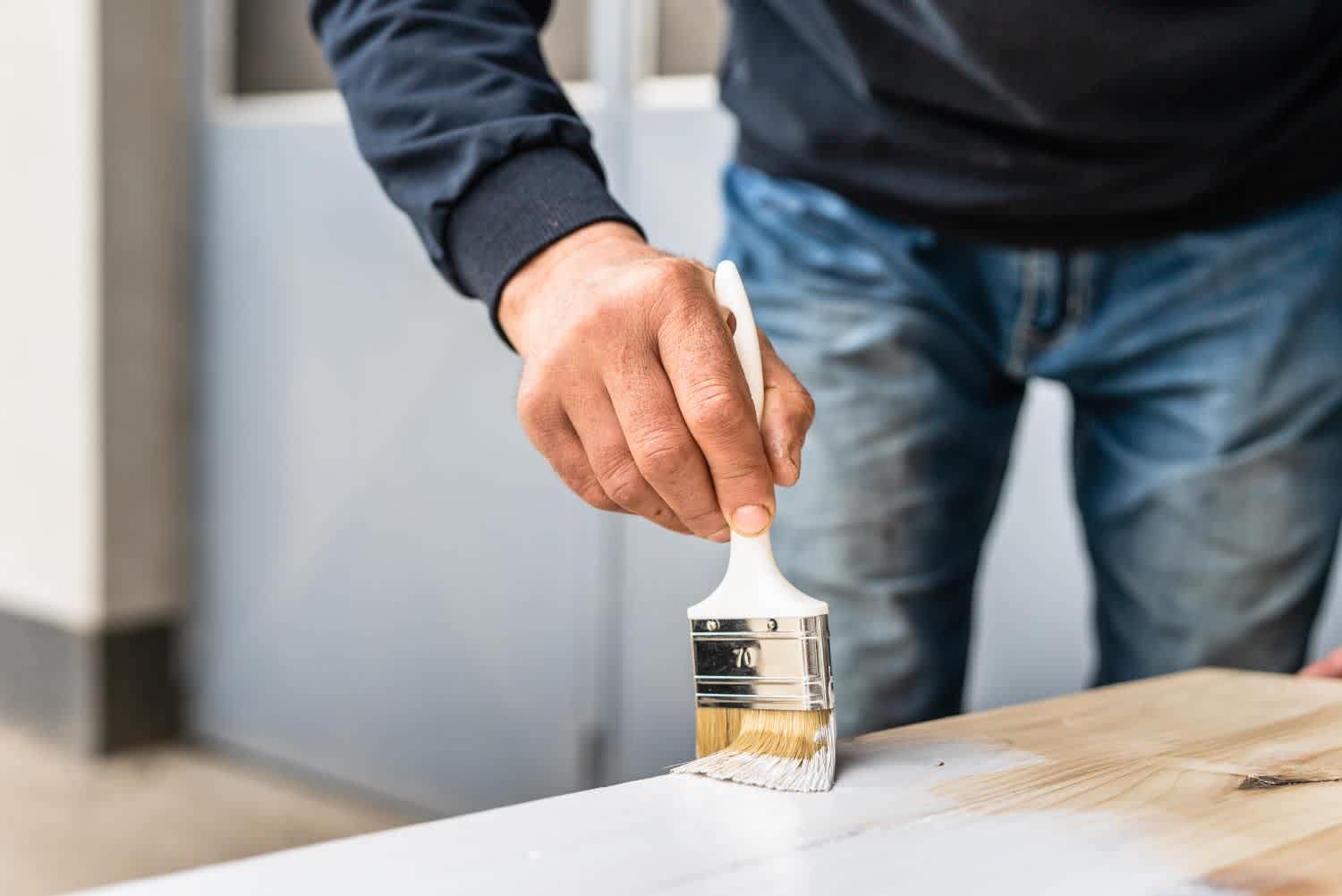
Cleaning the latex paint from your brushes is the easiest part of the entire painting process when you have the right tools and techniques. Find out how to clean your brushes like a professional painter with these three simple tips.