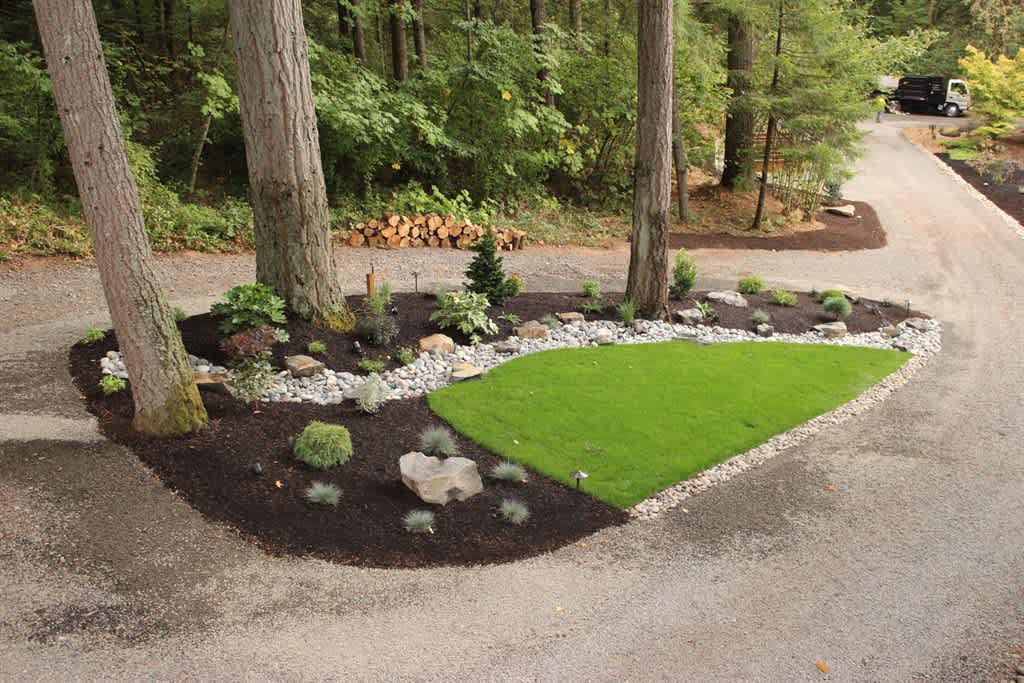
If you don’t have too many fallen leaves, one option is to leave them in place. They’ll eventually decompose, adding vital nutrients to the soil. But if you have a thick layer of leaves smothering your lawn, you’ll want to either mulch them or bag them up for removal. If you choose to collect and bag your leaves, check with your local municipality on any specific guidelines to dispose of them. Many cities offer curbside pickup if the leaves are disposed of in yard waste bags or containers.
It typically takes six to 12 months for leaves to decompose entirely. The process involves the mulch composting into your lawn to deliver nutrients that facilitate grass growth. The recommended process is to spread a thick layer of leaf mulch over your garden and let it marinate for a few seasons for best long-term results.
If you want to remove a bush that’s located on top of utility lines, you’ll need to call your local utility company to determine the best course of action. If you can’t dig out your stump its roots, cutting a bush off at ground level might be the best you can do. Adding a planter over top of the cut branch or planting something else around the stump can cover the area while the stump decomposes.
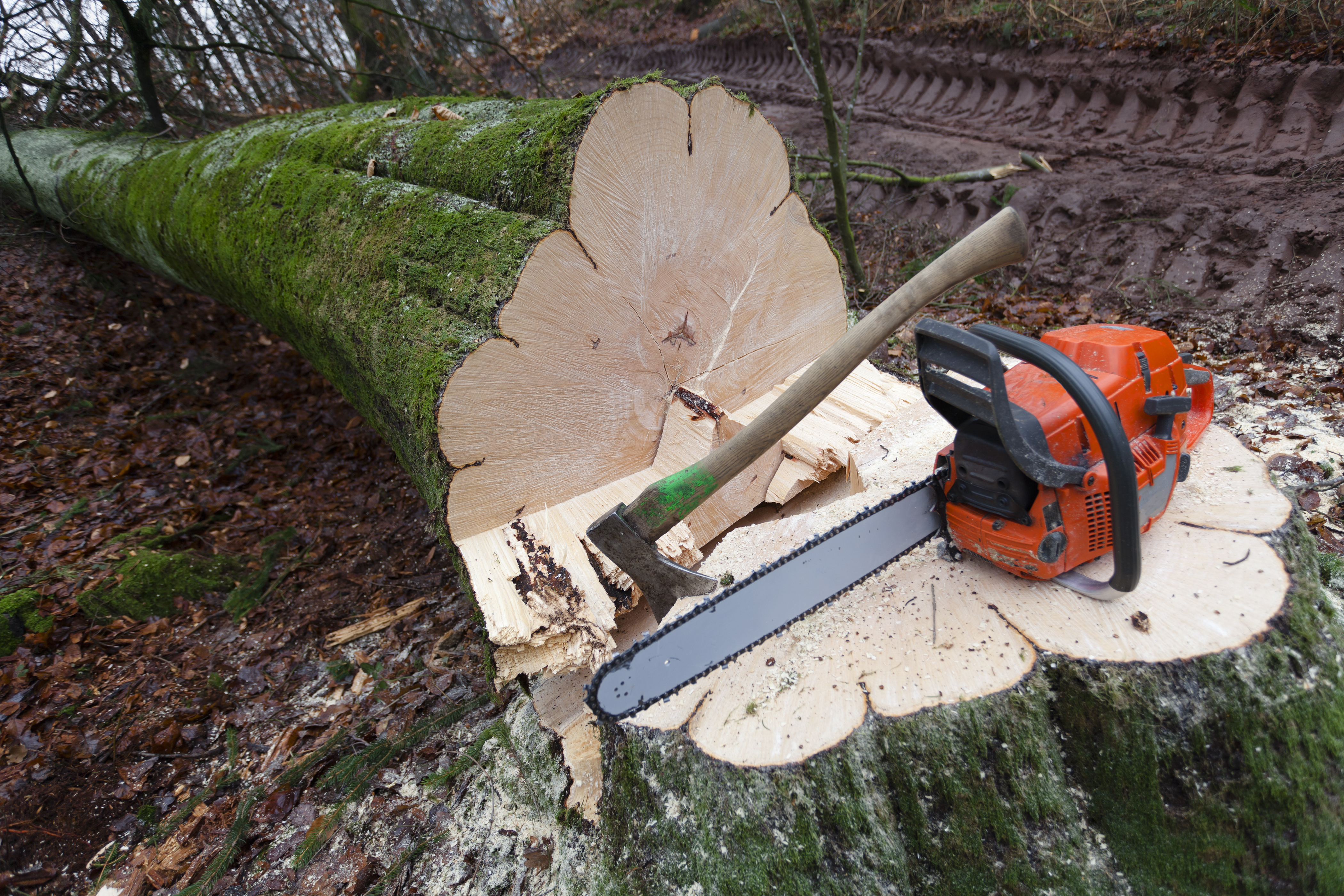
In the short term, you’ll have a lot of fallen trees to deal with. Tree removal services costs typically start at $200 per tree and increase based on species and size. Then, you’ll have to deal with the loss of trees: That means a loss of shade and a greater risk of rain runoff and erosion. Also, you’ll miss out on the health and aesthetic benefits of having trees on your property, which could even affect the resale value of your home.
That being said, cutting down a tree it’s not always a bad idea. Trees growing too close to rooftops can present fire hazards or debris problems. You may need to remove diseased or dying trees to prevent future issues.
No, it’s not necessary to remove all the leaves from your lawn—in fact, leaving some behind can be beneficial. While it's important to clear thick layers of leaves that can smother your grass, leaving a light scattering of leaves can help feed your soil while also providing safe winter habitat for pollinators like bumble bees. Leftover leaves will eventually break down, enriching the soil and promoting healthy lawn growth.
The Herreid, SD homeowners’ guide to brush chipping services
From average costs to expert advice, get all the answers you need to get your job done.
If your painted deck is less than appealing, it's time for a refresh. DIY your paint removal from your deck to enjoy your outdoor space for many seasons.
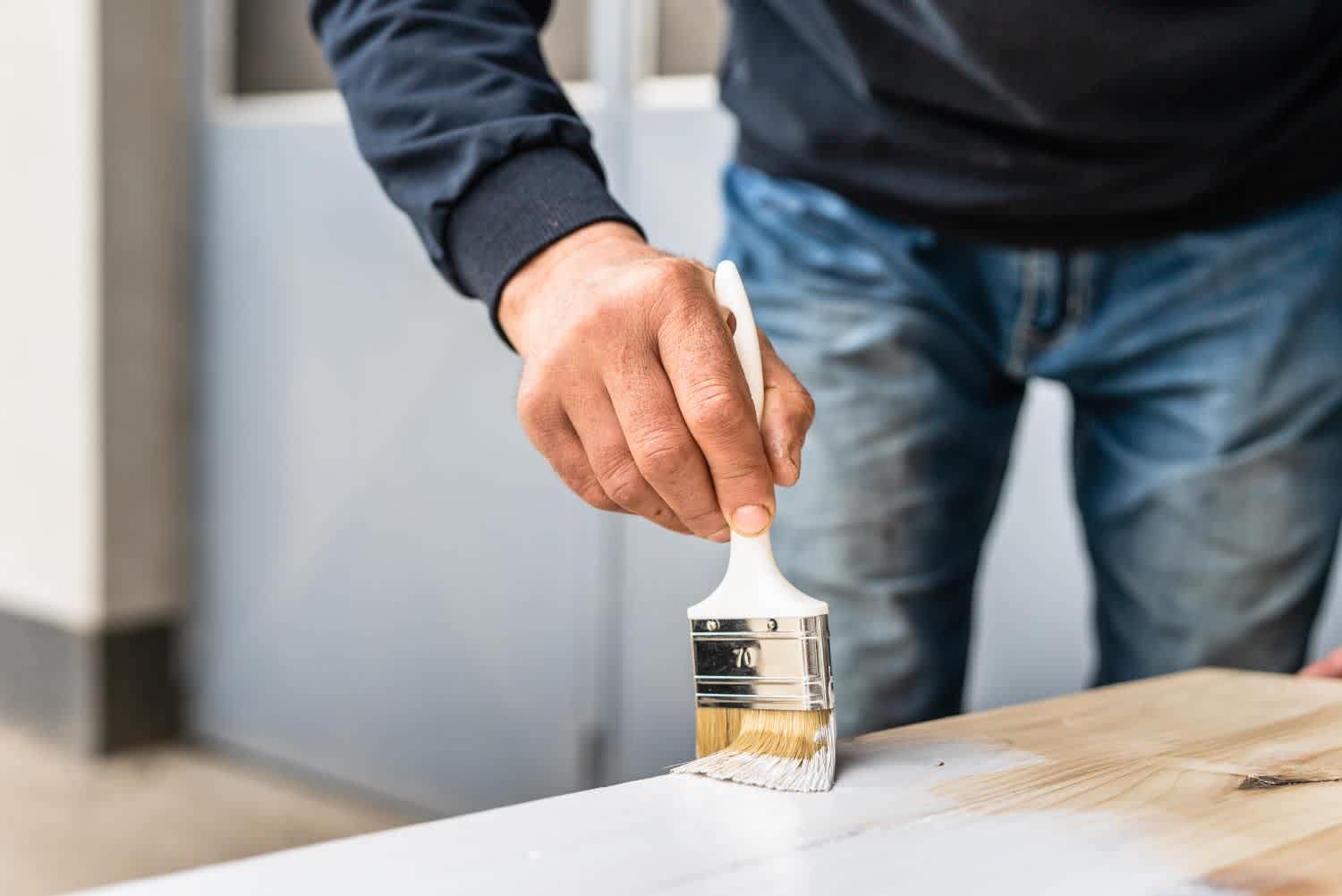
Cleaning the latex paint from your brushes is the easiest part of the entire painting process when you have the right tools and techniques. Find out how to clean your brushes like a professional painter with these three simple tips.