The most common alternative is burning the stump first, then dealing with the cinders and ashes. As you can imagine, this option creates fire hazards, especially since roots can burn underground, hidden, for long afterward. That’s why many states and cities have outlawed the use of stump burning entirely. We do not recommend this option as a viable alternative unless you get a permit from the local fire department and practice all safe burning procedures.
Others prefer a more long-term DIY approach of degrading the stump with home mixtures like Epsom salt and vinegar injected directly into it. This may help the stump decay faster, allowing homeowners to dig it out themselves, but it’s still a lengthy process. It usually takes months for a stump to start falling apart with such treatments, and in the meantime, it can be vulnerable to rot, insects, and other problems.
Professional services offer efficient, safe waste and junk removal, ensuring legal compliance and environmental responsibility. Professionals handle items systematically, disposing of them properly or recycling, which contributes to clutter reduction and enhanced property safety.
Burning yard waste can be an efficient method for large amounts. However, burning has health and environmental risks. Smoke can aggravate respiratory conditions, expose you to carbon monoxide, and cause irritation. Fire produces greenhouse gases and may start wildfires. Minimize risks by burning clean, dry, natural materials. Stay upwind and monitor the fire closely.
An herbicide with glyphosate, imazapyr, or triclopyr kills ivy the fastest. Herbicides inhibit photosynthesis and cell division. They kill the roots and prevent ivy from regrowing. You should apply herbicide to the cut stems and roots of ivy. You can also spray herbicide on the leaves of ivy, but be sure not to spray nearby trees and plants as it can cause them harm.
If you want to remove a bush that’s located on top of utility lines, you’ll need to call your local utility company to determine the best course of action. If you can’t dig out your stump its roots, cutting a bush off at ground level might be the best you can do. Adding a planter over top of the cut branch or planting something else around the stump can cover the area while the stump decomposes.
The Highmore, SD homeowners’ guide to brush chipping services
From average costs to expert advice, get all the answers you need to get your job done.
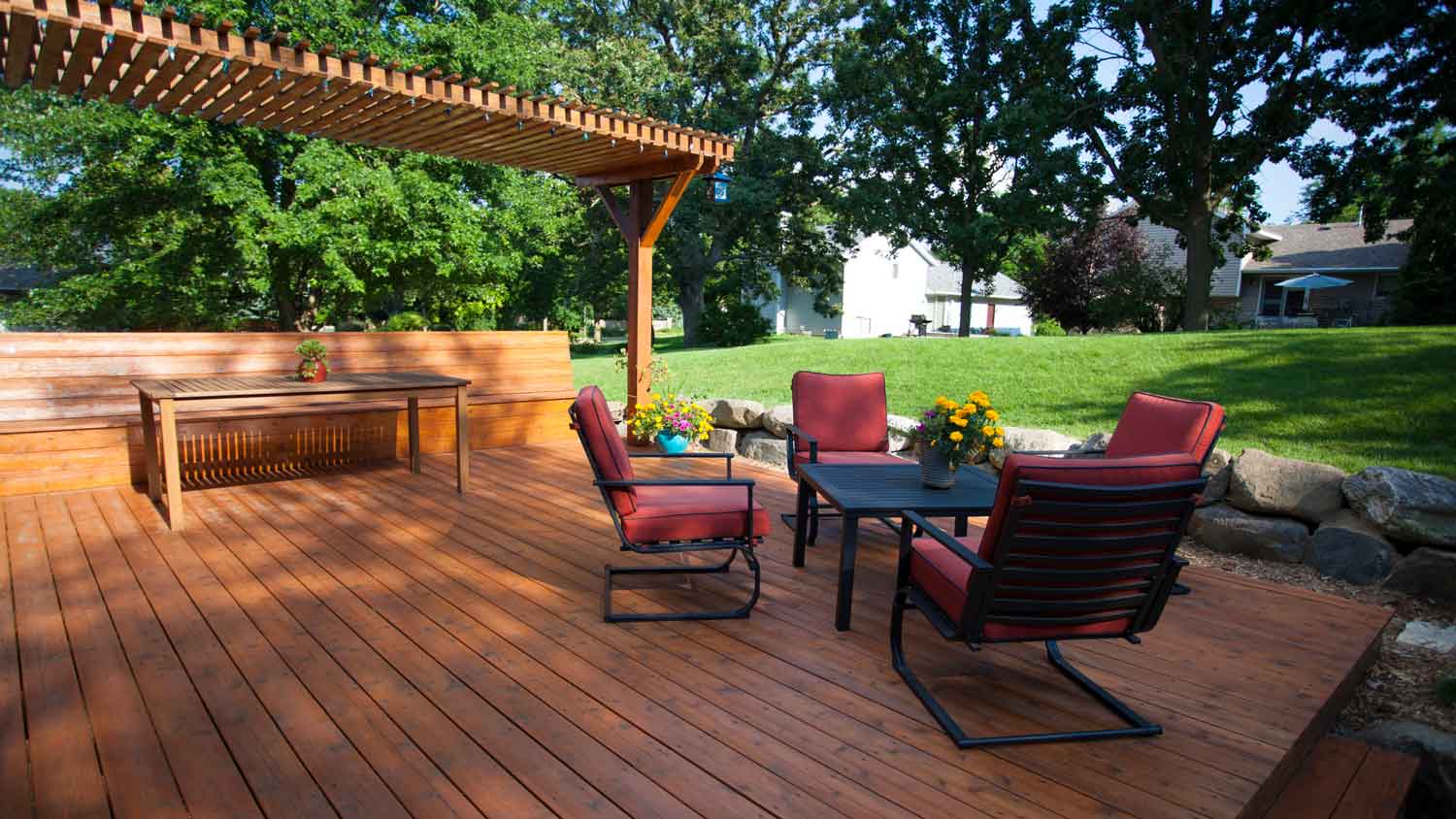
If your painted deck is less than appealing, it's time for a refresh. DIY your paint removal from your deck to enjoy your outdoor space for many seasons.
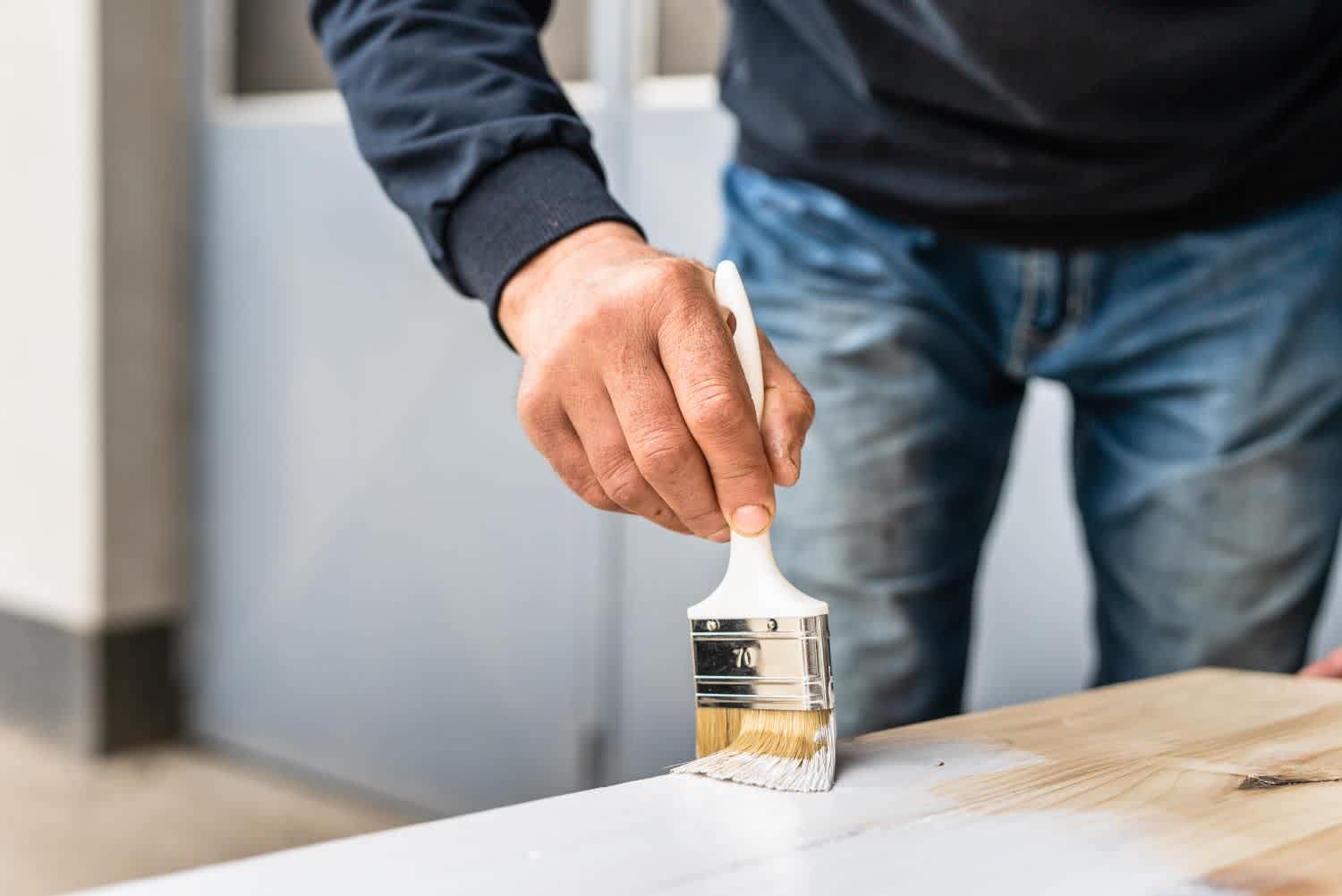
Cleaning the latex paint from your brushes is the easiest part of the entire painting process when you have the right tools and techniques. Find out how to clean your brushes like a professional painter with these three simple tips.