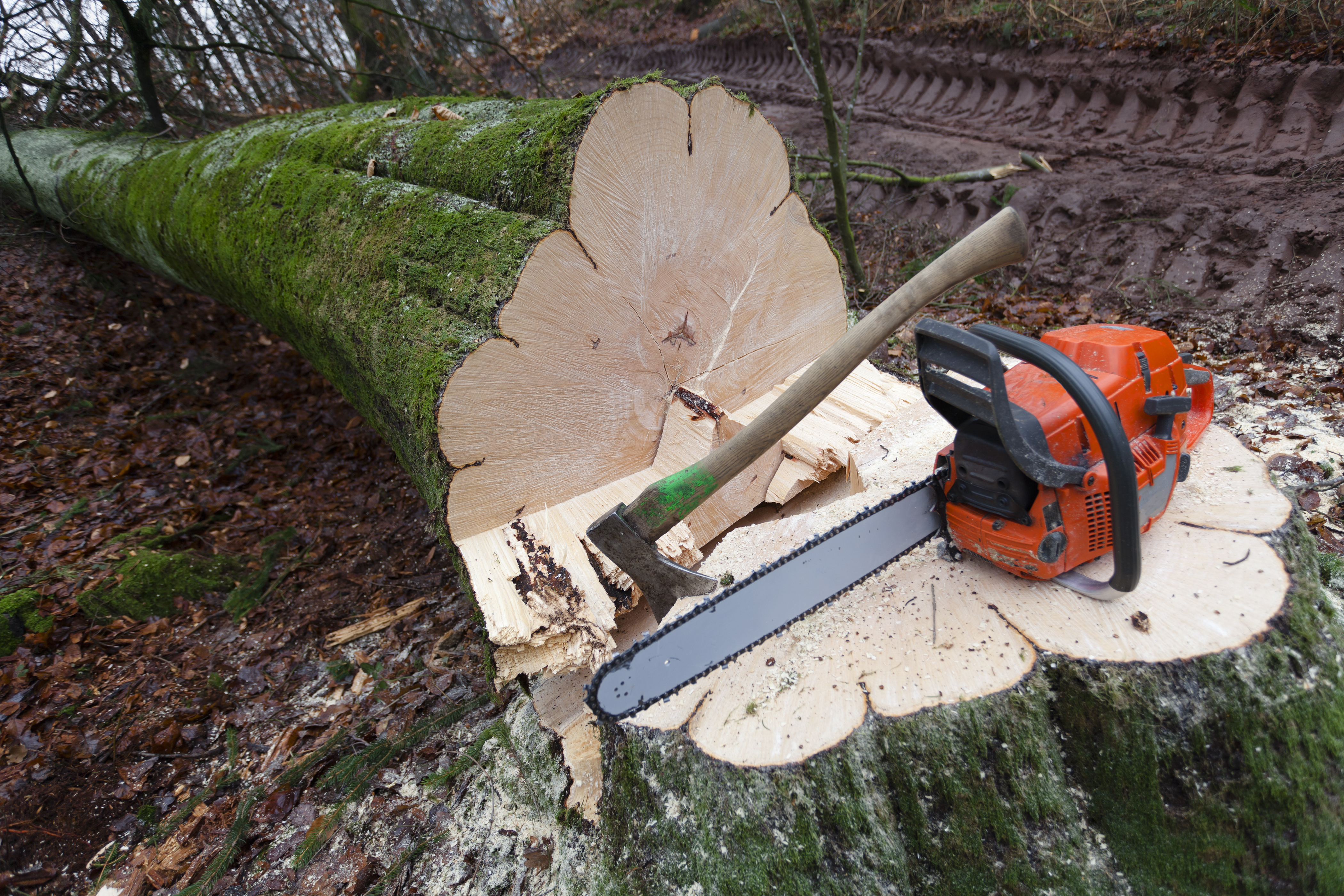
The most common alternative is burning the stump first, then dealing with the cinders and ashes. As you can imagine, this option creates fire hazards, especially since roots can burn underground, hidden, for long afterward. That’s why many states and cities have outlawed the use of stump burning entirely. We do not recommend this option as a viable alternative unless you get a permit from the local fire department and practice all safe burning procedures.
Others prefer a more long-term DIY approach of degrading the stump with home mixtures like Epsom salt and vinegar injected directly into it. This may help the stump decay faster, allowing homeowners to dig it out themselves, but it’s still a lengthy process. It usually takes months for a stump to start falling apart with such treatments, and in the meantime, it can be vulnerable to rot, insects, and other problems.
Dormant seasons like fall and winter are the best times to dig up plants, including holly bushes. Plants aren’t growing during these seasons, so the removal process goes a lot quicker. Consider hiring a landscaping team to handle holly bush removal during the cold-weather months for off-season pricing deals, too.
If you have a large number of leftover roots, shrub branches, rocks, and soil to remove from your stump removal project, you may need to call a professional junk removal service. A small truckload of junk removal costs between $75 and $125 to haul away. You may also have a free composting center in your area where you can haul the materials on your own.
Yes, you can conduct your own leaf removal, but consider that keeping up with leaf removal is time-consuming and requires regular yard work throughout the fall. The process can take a few hours a week. Professionals have lawn equipment that can speed up the process and save you time. Additionally, consider how you’ll dispose of the leaves. If your sanitation company won’t pick them up—especially if you have many bags from a once-annual cleanup— you’ll have to drive the bags to the dump. It’s usually easier to leave the work and disposal to a professional leaf removal service.
Although palm trees are self-pruning and will eventually remove their own brown leaves with new growth, there are a couple of instances when you might still want to go ahead and do the work yourself. For example, remove brown palm leaves if you live in an area with a greater risk of wildfires or if the leaves obstruct your pathway. But as long as the leaves pose no safety hazards, you don’t have to worry about pruning them.
The Hoven, SD homeowners’ guide to brush chipping services
From average costs to expert advice, get all the answers you need to get your job done.
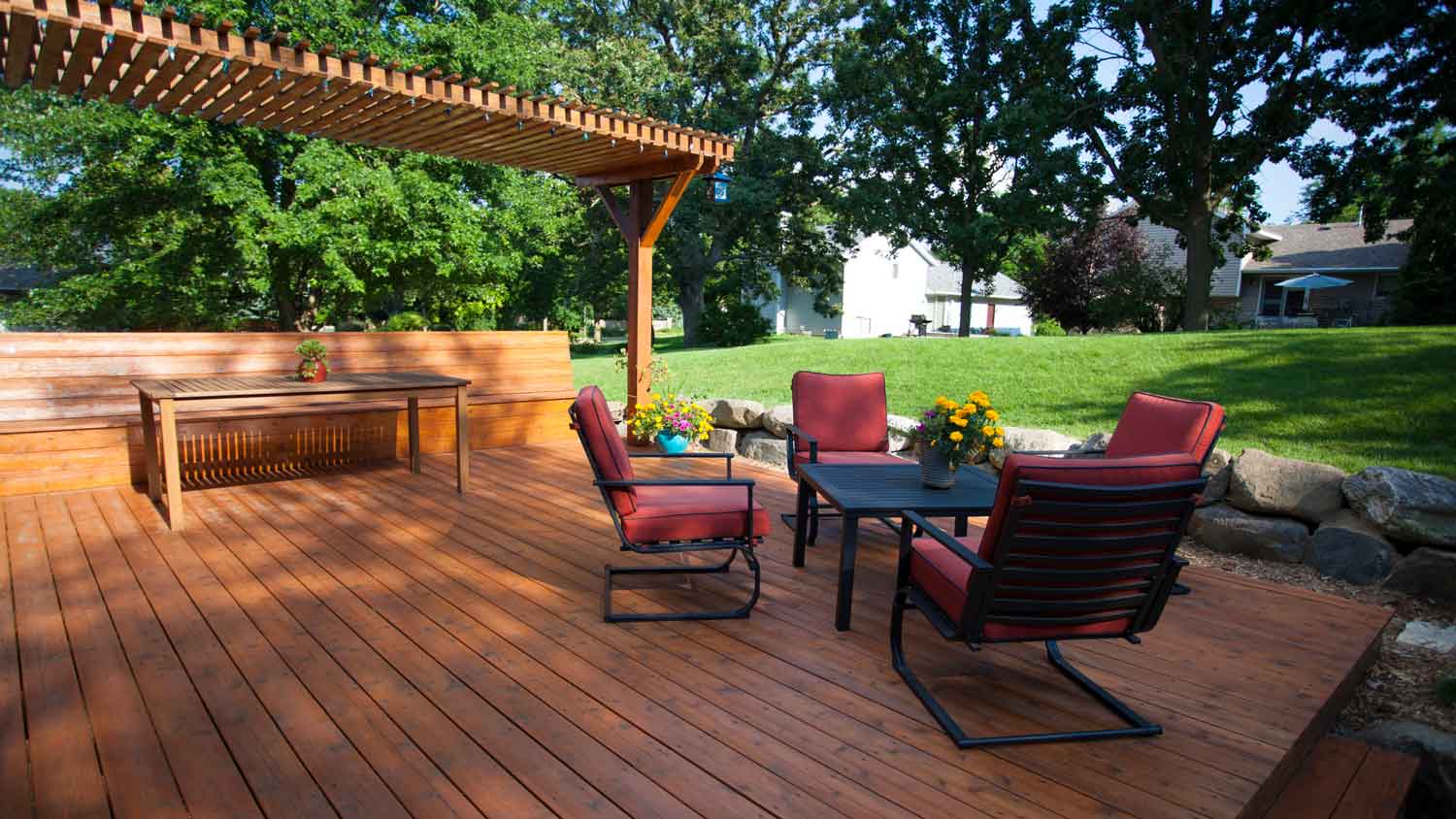
If your painted deck is less than appealing, it's time for a refresh. DIY your paint removal from your deck to enjoy your outdoor space for many seasons.
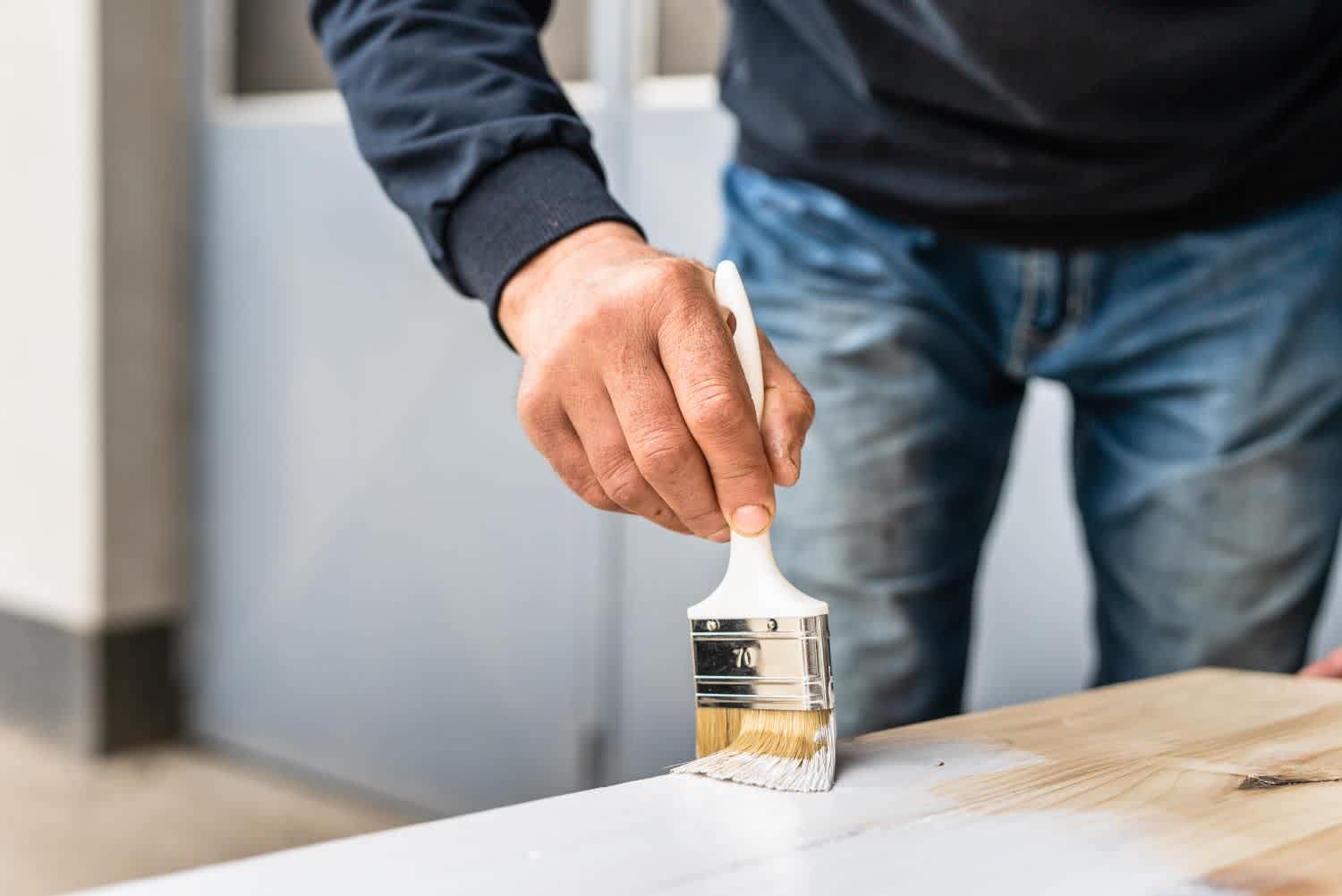
Cleaning the latex paint from your brushes is the easiest part of the entire painting process when you have the right tools and techniques. Find out how to clean your brushes like a professional painter with these three simple tips.