There are several ways to decompose yard waste quickly. The first step is to move all debris into a compost bin or pile. From there, microorganisms, bacteria, and insects will break down the yard waste into compost. To speed things up, shred the waste into smaller pieces, add live worms to the pile, or introduce nitrogen-rich compost accelerators like grass clippings, coffee grounds, and manure. Turn the compost over every few days. This process, called aerating, allows oxygen to get in and accelerate decomposition.
No, it’s not necessary to remove all the leaves from your lawn—in fact, leaving some behind can be beneficial. While it's important to clear thick layers of leaves that can smother your grass, leaving a light scattering of leaves can help feed your soil while also providing safe winter habitat for pollinators like bumble bees. Leftover leaves will eventually break down, enriching the soil and promoting healthy lawn growth.
Alternatives to a dumpster include junk removal services and dumpster bags. These are good options if you have limited space and can’t fit a dumpster on your property or if a dumpster isn’t available. You can also take smaller loads of waste to a disposal facility yourself if you have a vehicle that can fit your items.
While tipping junk haulers is not required or expected, it is a greatly appreciated gesture for a job well done. Many junk removal companies state that tips are welcome but not mandatory. A good rule of thumb is to tip between 10% and 20% of the total bill, or a flat amount of $10 to $20 per worker. For exceptional service, a tip of $20 to $50 for the entire crew is also appropriate. It is often best to give cash directly to each worker at the end of the job.
Consider tipping if the crew:
Goes above and beyond your expectations.
Handles heavy, bulky items or navigates difficult spaces like tight hallways or stairs.
Works in inclement weather or deals with potentially hazardous materials.
Takes extra care to protect your home and property.
Accommodates a last-minute scheduling change.
Although palm trees are self-pruning and will eventually remove their own brown leaves with new growth, there are a couple of instances when you might still want to go ahead and do the work yourself. For example, remove brown palm leaves if you live in an area with a greater risk of wildfires or if the leaves obstruct your pathway. But as long as the leaves pose no safety hazards, you don’t have to worry about pruning them.
The Howes, SD homeowners’ guide to brush chipping services
From average costs to expert advice, get all the answers you need to get your job done.
If your painted deck is less than appealing, it's time for a refresh. DIY your paint removal from your deck to enjoy your outdoor space for many seasons.
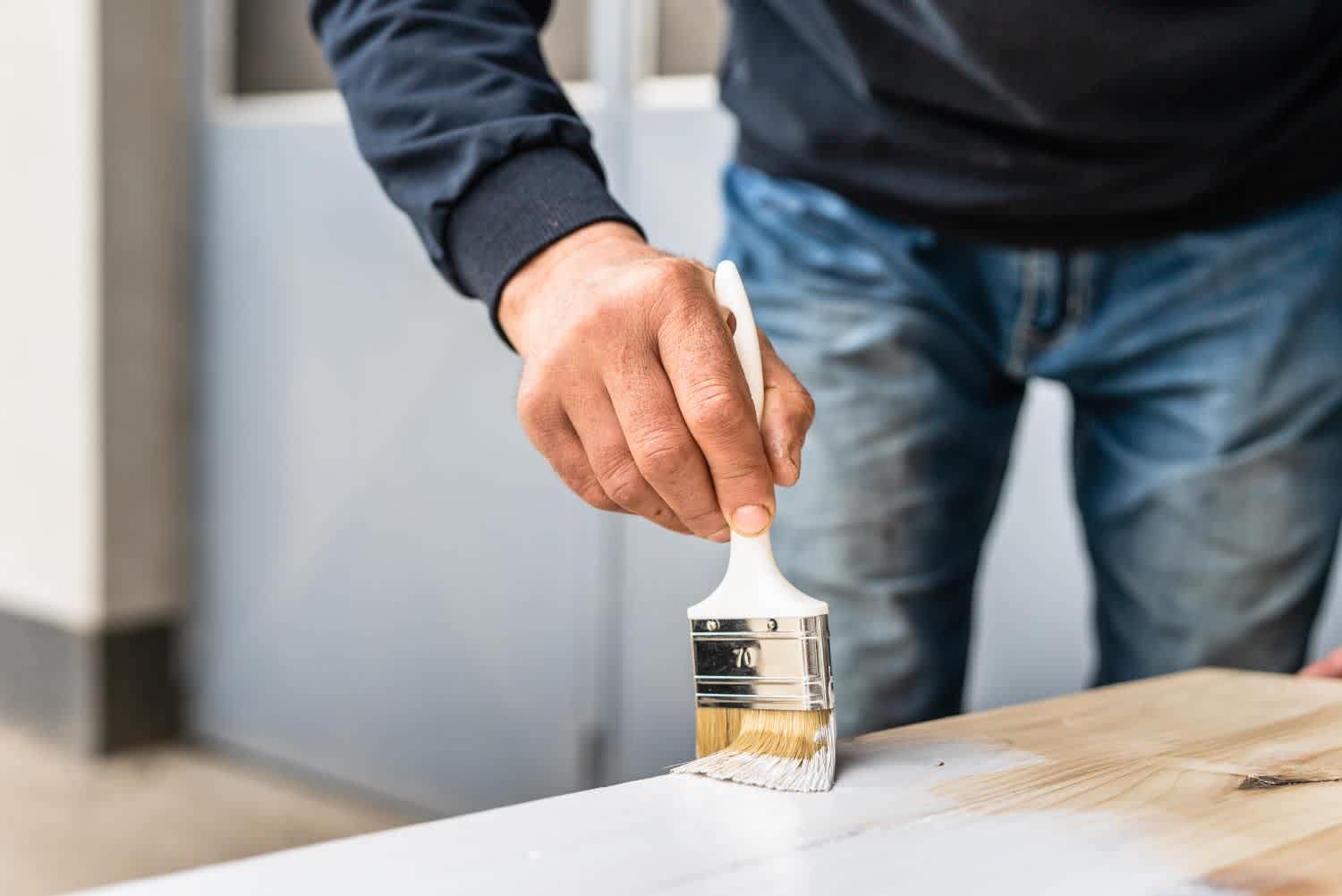
Cleaning the latex paint from your brushes is the easiest part of the entire painting process when you have the right tools and techniques. Find out how to clean your brushes like a professional painter with these three simple tips.