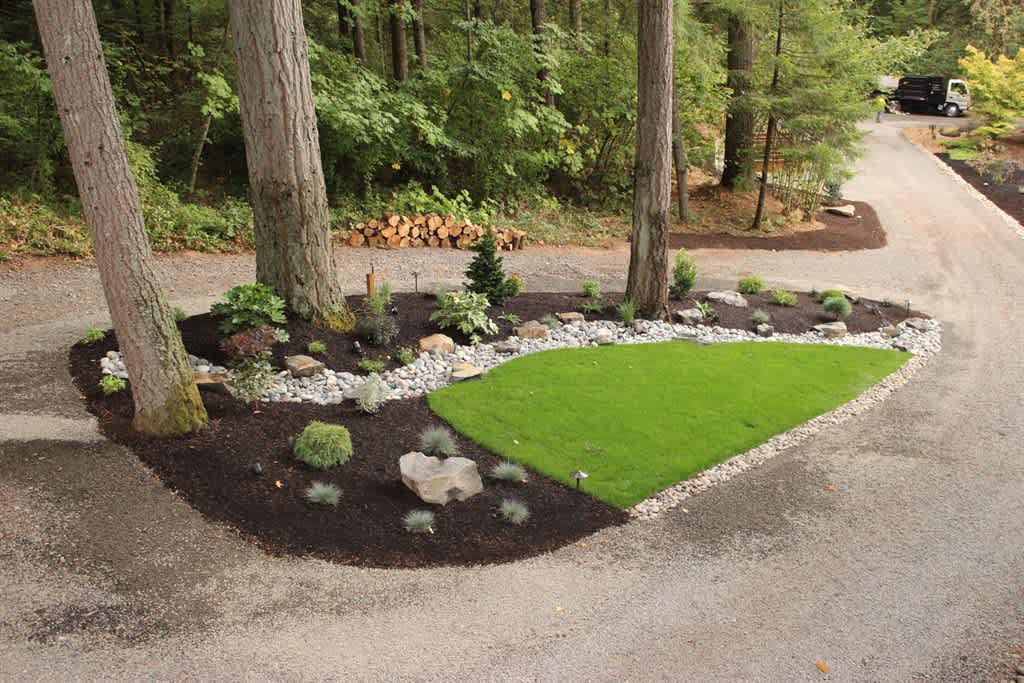
If composting feels too complicated, mulching is an effective alternative. While composting focuses on breaking down yard waste to feed the soil, mulching uses that same organic material as a protective top layer. It's a quick way to get value from leaves, grass clippings, and other yard debris without the time or effort composting requires.
Generally, it is not necessary to remove old mulch before applying a new layer. As organic mulch breaks down, it enriches the soil with nutrients. However, you should remove the old layer if it shows signs of fungus or disease, which can be common in moist areas, or if the total depth is already too thick. Avoid letting the total mulch depth exceed 3 inches, as this can harm plant roots. If you do remove old, disease-free mulch, it can be added to a compost pile.
Trees that provide a habitat to bats and an abundance of bugs—their main food source—will attract bats to your yard. Because the North American landscape has changed so much in recent years, bats have a harder time finding trees with cavities to shelter in. If your yard has a dead or dying tree with a lot of sun exposure, bats will likely be drawn to it because trees with those features are less common.
Leaf removal isn’t always necessary, and what you should do with leaves in your yard depends on the number of trees you have. Leaving a small amount of leaves to decompose on your property can add nutrients to the soil and help grass, plants, and trees thrive. However, large accumulations of leaves can promote mold and fungal growth, so you should do at least two fall cleanups if you have many trees on your property.
To remove old grass effectively, you typically need to dig to one to two inches. This depth typically allows you to reach the root system of the grass, ensuring thorough removal. However, if the grass is a particularly dense or deep-rooted variety (such as Bermuda grass), or if you're planning to replace it with a different landscaping feature, you may need to dig deeper to loosen the soil and remove any underlying roots.
The Wishek, ND homeowners’ guide to brush chipping services
From average costs to expert advice, get all the answers you need to get your job done.
The cost of a tar and chip driveway falls between gravel and asphalt. Is this unique process the happy medium you've been looking for? Let's take a look.
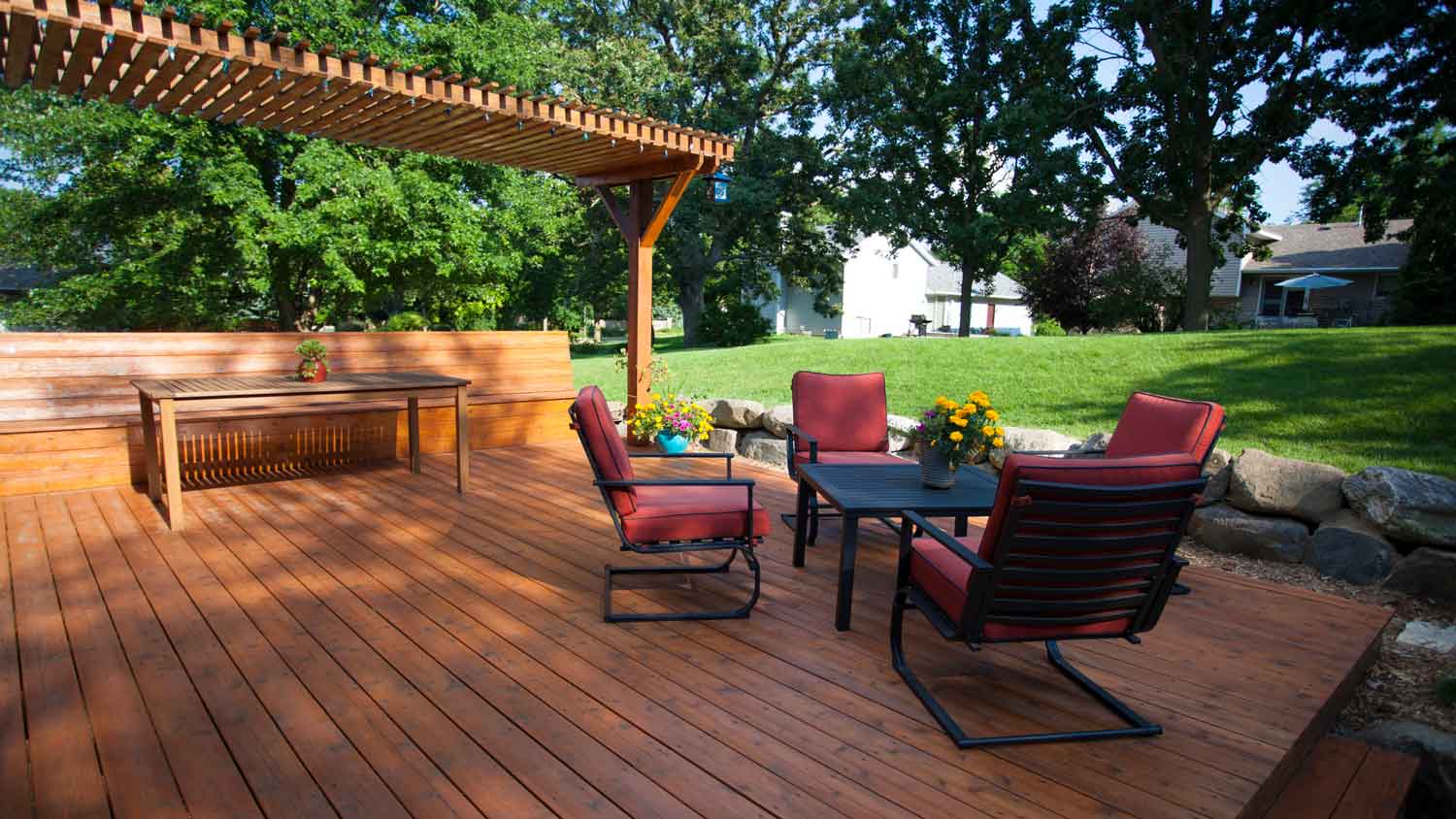
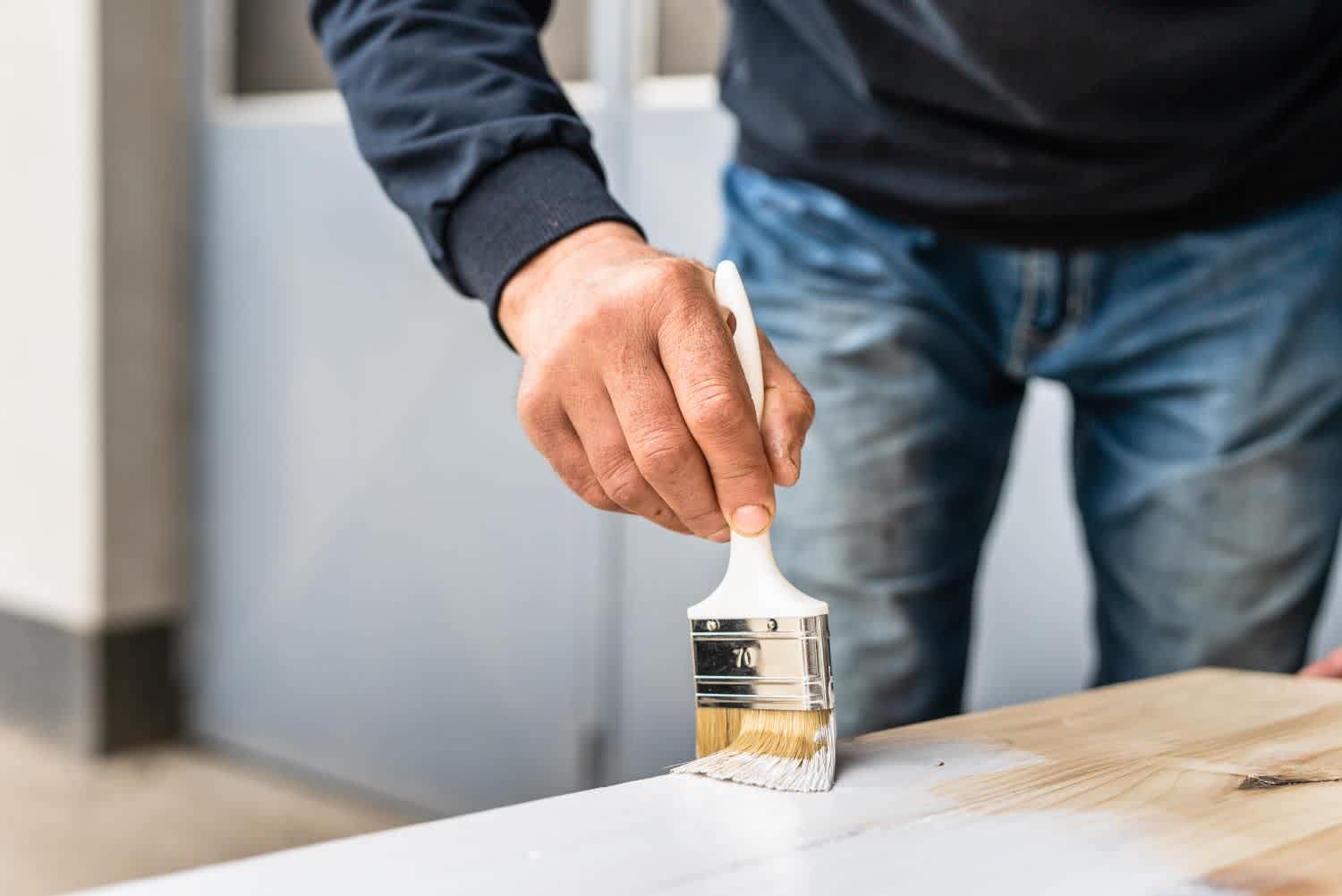
If your painted deck is less than appealing, it's time for a refresh. DIY your paint removal from your deck to enjoy your outdoor space for many seasons.