




Top-rated mold testing and remediation specialists.

Get matched with top mold testing and remediation specialists in Springfield, SD

Enter your zip and get matched with up to 5 pros

Need a pro for your mold testing and remediation project in Springfield, SD?

Select your specific project to find the pro for you.

Find Mold testing and remediation specialists in Springfield

Empire Home Inspections, LLC
New to Angi
Indoor Air Quality TestingMold & Toxic Material Test

Serving Springfield, SD and surrounding areas

In business since 2022

Free estimates

Credit card accepted

We pride our company on reliability, great communication, integrity, and quality work. We are experts in our trade and will do our best to keep you as educated as we can on your particular task or project. We look forward to earning your business! Book with us online or feel free to give us a call today! \n \n

Mold Testing and Remediation questions, answered by experts

Toxic black mold on wood appears as dark green or black patches. It often has a slimy or wet texture and may spread across the surface in a spotty pattern. The affected wood might appear discolored, soft, and damp. Identifying black mold early is crucial because it can cause severe health problems when its spores are released into the air. Prompt remediation is necessary to prevent further damage and health risks.

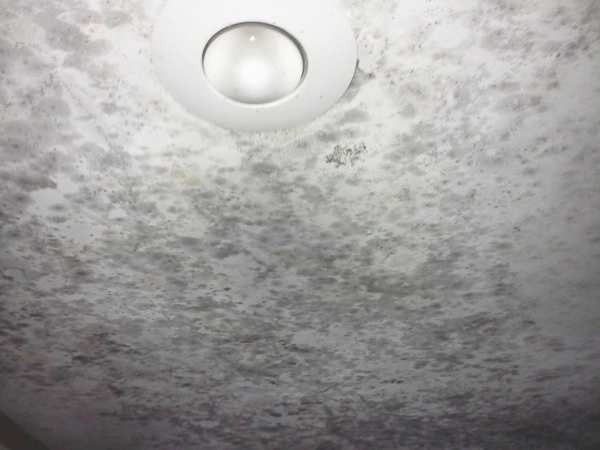
The primary difference is that black mold (Stachybotrys chartarum) is considered toxic and more dangerous than regular mold. It can produce harmful chemicals called mycotoxins, which may lead to severe health issues like respiratory problems, skin irritation, headaches, and other long-term complications. While regular mold is rarely toxic, it can still cause allergic reactions and respiratory irritation. Visually, black mold often appears dark—green, gray, brown, or black—with a fuzzy texture, whereas regular mold can be almost any color. Black mold is less common and typically grows in areas with severe water damage. Regardless of the type, you should not ignore any mold infestation in your home.

Toxic drywall has a sulfur smell, similar to rotten eggs or poop. It’s often a sign that the drywall mud is expired, there’s mold or mildew growth, or there’s a leak in your home. Drywall can also absorb moisture during storage, transportation, or installation, resulting in a distinct musty odor.

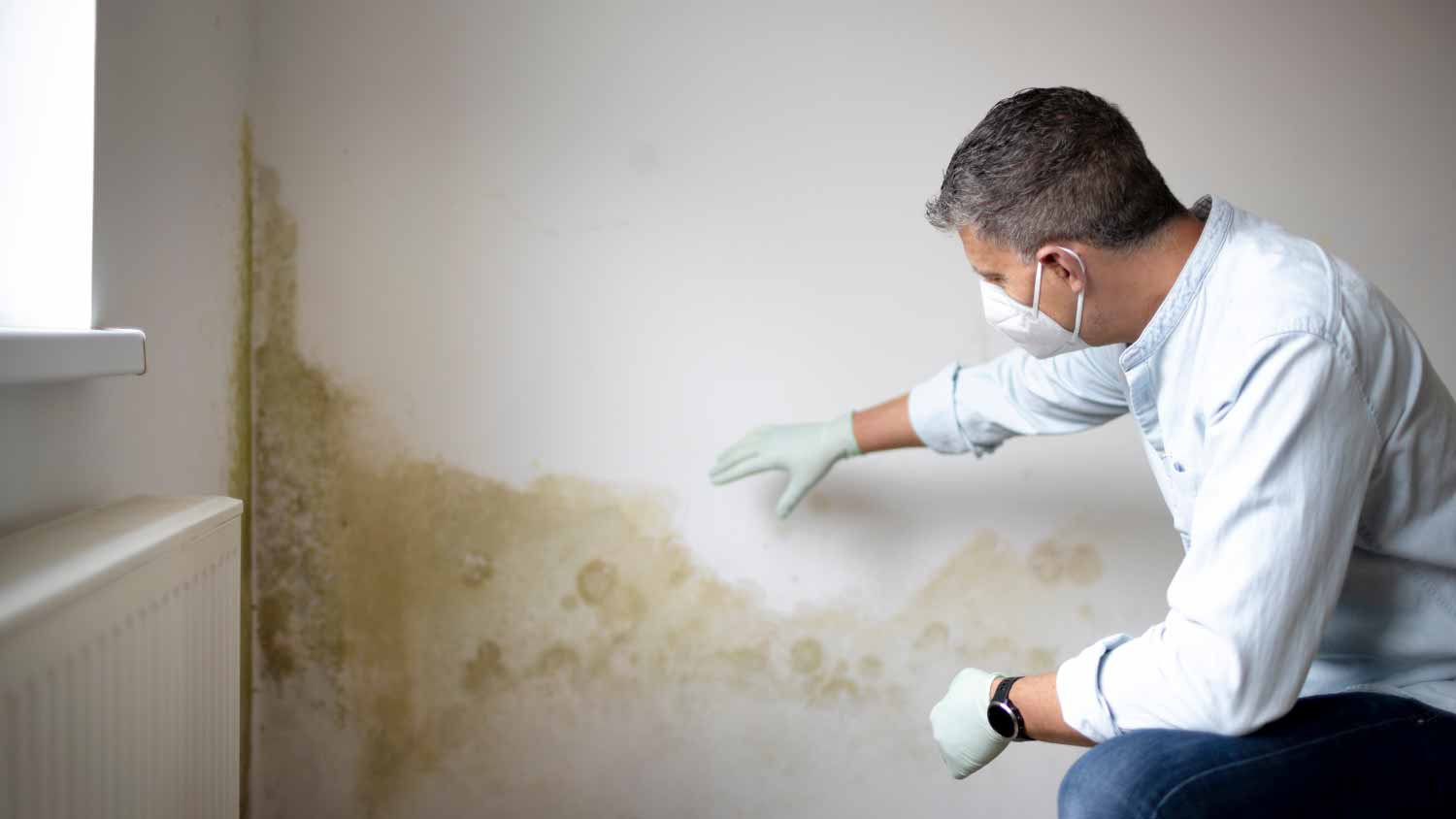
Removing mold yourself can be dangerous. Always wear protective gear to cover your skin, face, and eyes, and wear a respiratory mask to protect your lungs. It is most recommended to only remove small areas of mold on your own and leave large mold growth to professionals. Mold growth can also be persistent. Without addressing the root cause, DIY surface cleaning can be ineffective and temporary.

Yes, both mold and mildew can grow under outdoor rugs if they are exposed to water or humidity for a prolonged period of time. This is why frequently cleaning an outdoor rug and checking its state is important.

The Springfield, SD homeowners’ guide to mold testing and remediation services

From average costs to expert advice, get all the answers you need to get your job done.