David Ferguson's construction business is dedicated to quality and outstanding customer service. Our job is to provide you with quality service at a great price. Please don't wait call us today.
General contracting work, specializing in carpentry and woodwork. With 30 plus years of experience in residential and commercial new builds and remodels, Skid's Construction prides itself on being a company that takes care of its customers, providing quality services and work. We value honesty, integrity and efficiency.
Hangers are one way of attaching stair stringers to a deck. These metal hangers are usually adjustable, allowing you to find the ideal angle for a secure installation. They’re the best choice for installing longer staircases, such as one on a two-story deck, to reduce the load on the deck frame while keeping the stairs stable.
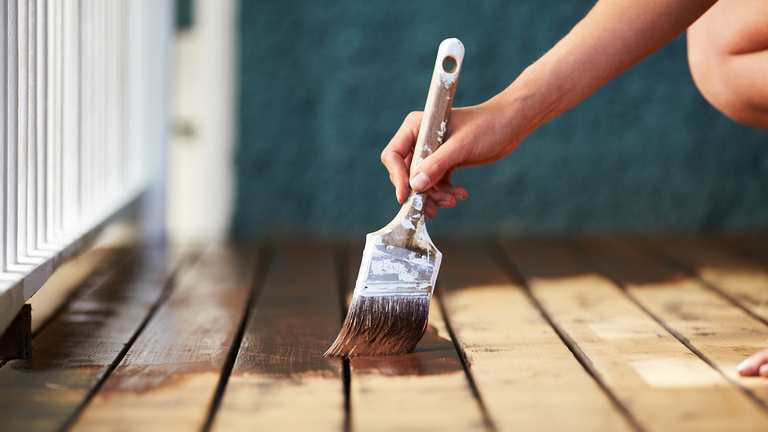
Choosing the right product involves understanding deck material, desired finish, and local weather conditions. Opt for high-quality, weatherproof formulations ensuring long-term durability and appearance retention.
Here's the deal with leaving used rags covered in oil-based stain lying around in a pile: Depending on the conditions, these rags can take just an hour or up to a few days to combust. The source of ignition is caused by trapped heat that can be compounded if the rags are near a heat source.
Choose based on climate, finish preference (glossy, matte), and durability. Tailored coatings also provide longevity.
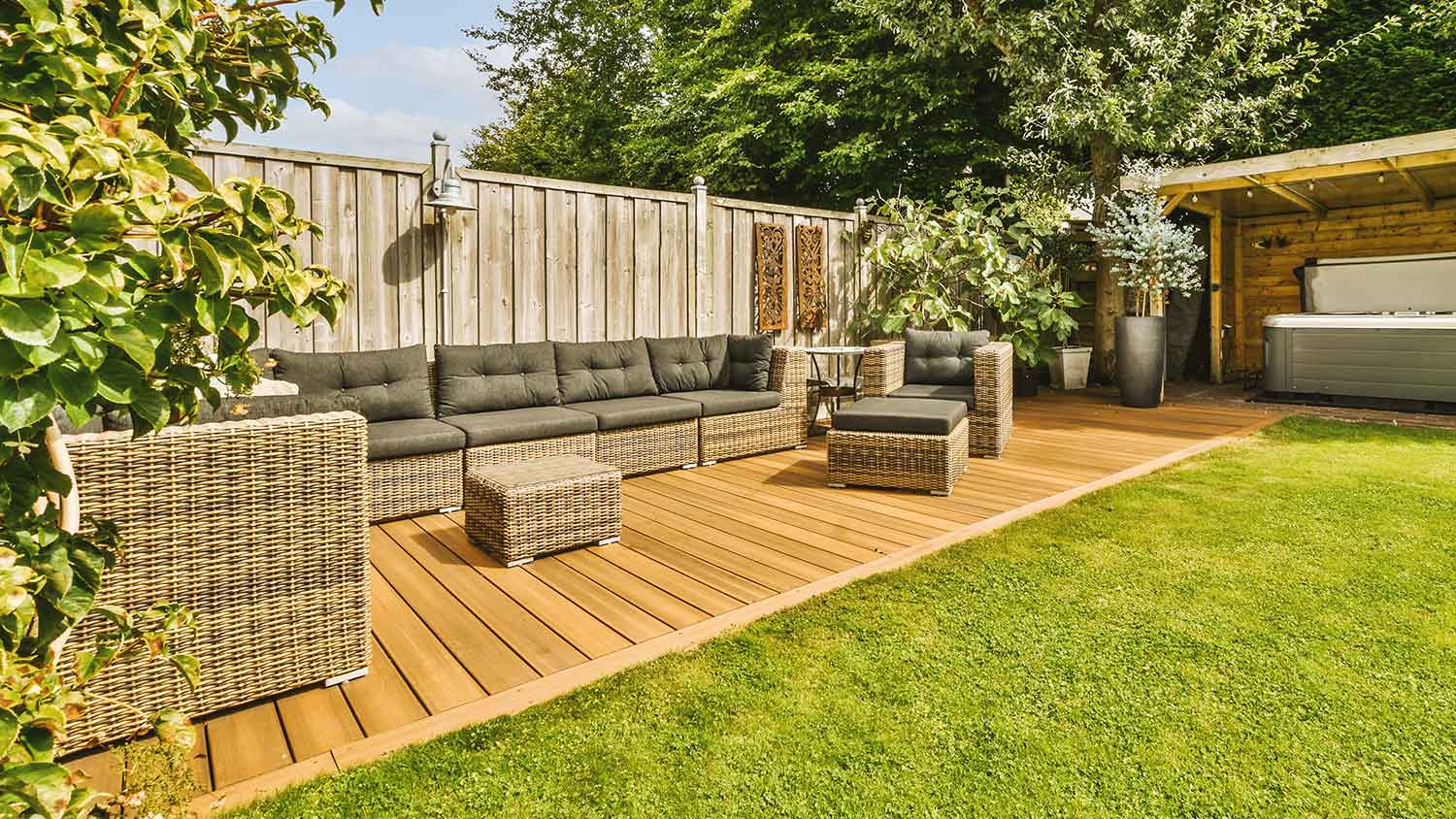
Whether to paint or stain a deck depends on your personal preference for appearance and budget. Stain provides a natural look with a range of undertones, is typically less expensive, and may only require one coat, but it does not last as long as paint. Paint offers a sleeker finish with a virtually unlimited color palette. Both options will protect your deck from outdoor elements like rain, snow, and general wear and tear.
The Rosebud, SD homeowners’ guide to deck staining services
From average costs to expert advice, get all the answers you need to get your job done.
The best time to stain a deck is when it’s dry but not too sunny. How often you restain a deck depends on climate and wood type, but every two to three years is normal.