"I only use James when I need some work done to my house. He responds fast, gets the work done quicker than just about anyone else I've ever used and seems very concerned with leaving his customers happy."
David Ferguson's construction business is dedicated to quality and outstanding customer service. Our job is to provide you with quality service at a great price. Please don't wait call us today.
General contracting work, specializing in carpentry and woodwork. With 30 plus years of experience in residential and commercial new builds and remodels, Skid's Construction prides itself on being a company that takes care of its customers, providing quality services and work. We value honesty, integrity and efficiency.
Yes, many repair services include repainting to match the color of the existing siding or walls. Most professionals offer this service to ensure the repaired area blends in seamlessly.
Hot, intense sunshine can cause your stain to dry too quickly, which could lead it to look uneven or patchy. If you’re staining the deck during hotter months, it’s best to do it in the morning or evening once the wood has had time to cool down. If you’re staining in cooler weather with less sunshine, the time of day won’t make as much of a difference.
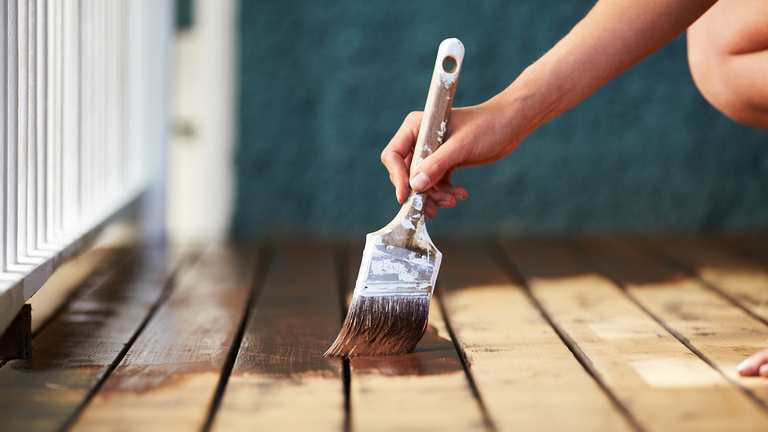
Deck staining or painting safeguards wood against the elements through its protective layer, enhancing decay resistance, prolonging structural integrity, and improving visual appeal.
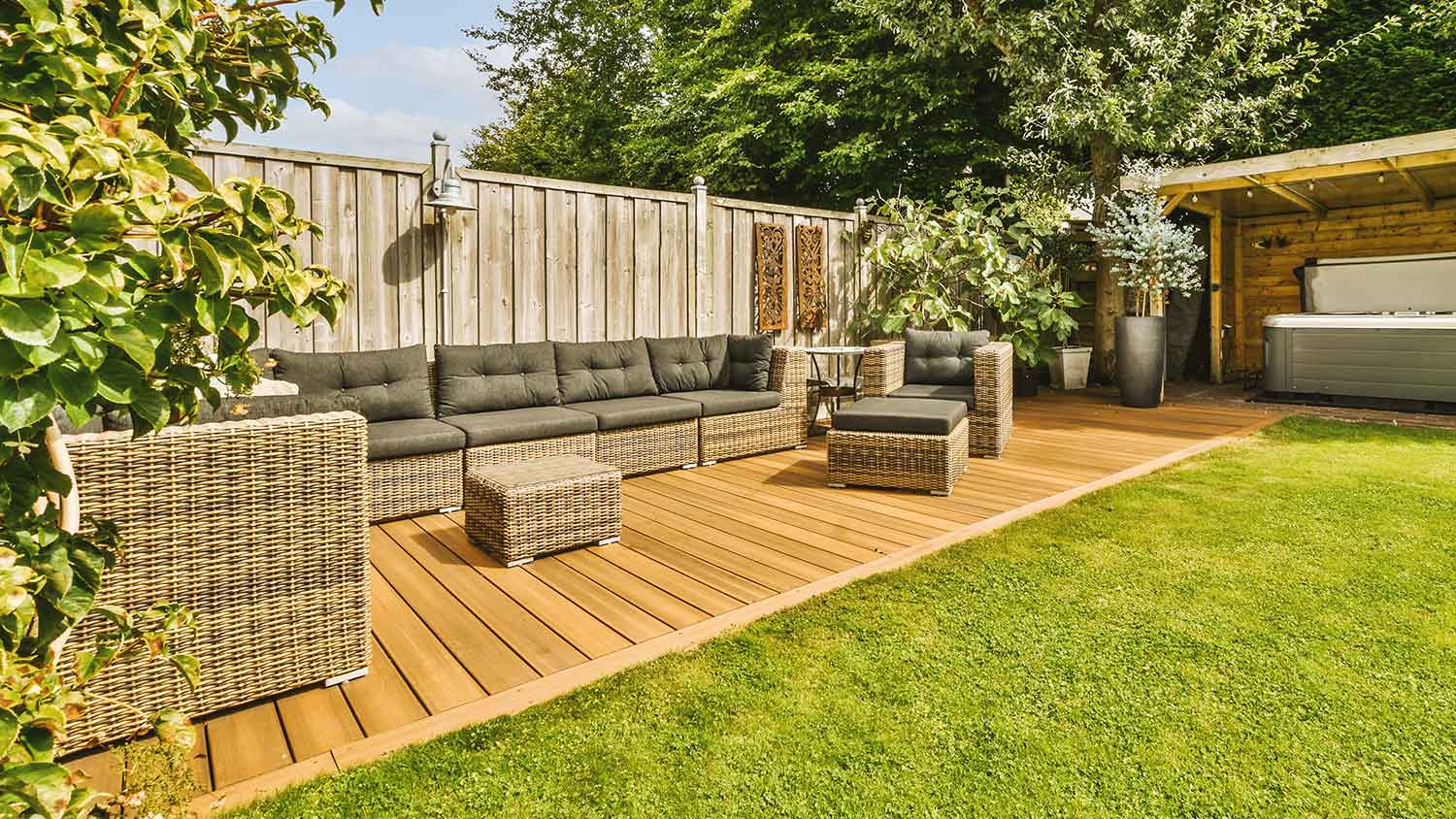
It's okay to walk on a newly painted deck after about four to six hours as long as the weather has been dry. Be sure to wait at least 24 hours before you place any outdoor furniture or grills on a freshly painted deck, though.
Ensure gutters and downspouts remain clean, monitor wall integrity, and promptly address any arising imperfections or peels concept permanence rooted.
The Saint Francis, SD homeowners’ guide to deck staining services
From average costs to expert advice, get all the answers you need to get your job done.
The best time to stain a deck is when it’s dry but not too sunny. How often you restain a deck depends on climate and wood type, but every two to three years is normal.