


Top-rated radon detection and reduction specialists.

Get matched with top radon detection and reduction specialists in Rapid City, SD

Enter your zip and get matched with up to 5 pros

Need a pro for your radon detection and reduction project in Rapid City, SD?

Select your specific project to find the pro for you.

Find Radon detection and reduction specialists in Rapid City

Avatar for ALO Radon
ALO Radon
4.9(
29
)
Radon Gas - AbatementRadon Gas - Testing

Serving Rapid City, SD and surrounding areas

Approved

In business since 2020

Free estimates

Emergency services offered

"Anthony was quick to respond, and within a few days, we were on his calender. When he arrived, he recommended a larger fan than originally quoted, and explained why (add'l cost was minimal). Cometed work in a thorough and timely manner, explaining everything along the way. Would strongly recommend ALO Radon to EVERYONE! Anthony is a breath of fresh air, in an area that is somewhat service challenged. Thanks so much!"
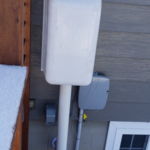
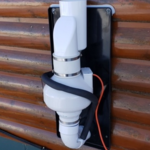
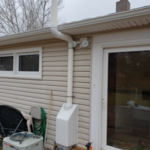
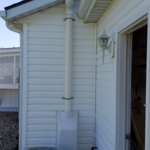
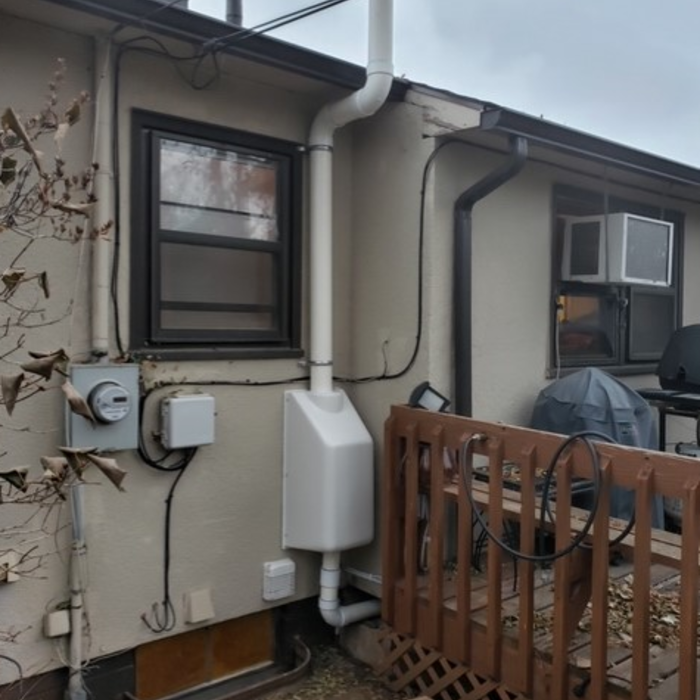
Our Work
Our Work
Our Work
Our Work
Our Work

+13

Response time3 hrs
Response rate94%
Recommended by92%of homeowners
Avatar for Blackburn Foundation Repair, LLC
Blackburn Foundation Repair, LLC
4.6(
23
)
Radon Gas - AbatementRadon Gas - Testing

Serving Rapid City, SD and surrounding areas

Approved

In business since 1992

Free estimates

Warranties offered

"They were very quick and seems like quality work. Guys were super friendly, answered all my questions and were very patient with my 3 y/o who constantly wanted to talk to them as they were carrying buckets in and out. Pretty spendy but i think drain tiling is expensive regardless."
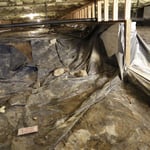
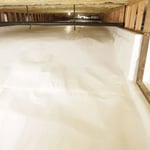
Crawl Space Repair
Crawl Space Repair
Response time1 day
96 neighbors recently requested a quote
Recommended by80%of homeowners
Avatar for Black Hills Radon
Black Hills Radon
New to Angi
Radon Gas - AbatementRadon Gas - Testing

Serving Rapid City, SD and surrounding areas

Approved

In business since 2022

Free estimates

Black Hills Radon is committed to excellence in every aspect of our business. We uphold a standard of integrity bound by fairness, honesty, and personal responsibility. Our distinction is the quality of service we bring to our customers. Accurate knowledge of our trade combined with ability is what makes us true professionals. Above all, we are watchful of our customers' interests, and make their concerns the basis of our business.

1 neighbors recently requested a quote
Radon Detection and Reduction questions, answered by experts

Radon is the number one non-smoking cause of lung cancer in the United States, but it can cause some other concerning side effects in the meantime. If you have a raspy voice, chest pains, trouble breathing, difficulty swallowing, or any of the above, don’t hesitate to perform radon testing and install a mitigation system as soon as possible.

No level of radon is technically safe, but since it is naturally present everywhere, it is impossible to avoid entirely. The average radon level in homes across the United States is 1.3 picocuries per liter (pCi/L). The Environmental Protection Agency (EPA) recommends taking action to reduce radon levels if your home's test results are between 2 and 4 pCi/L or higher.

Your radon fan needs to operate 24/7 to be effective. The only time the fan isn't operating is during its replacement. Radon levels in the home can increase within hours if the fan stops working or something obstructs the stack vent. Fortunately, radon systems require no downtime maintenance between fan changes.

No, air purifiers are not an effective way to reduce or remove radon. Radon is a radioactive, inert gas that cannot be filtered by standard air purifiers, which are designed to capture particulates like dust and mold. While an air purifier can improve indoor air quality by removing other pollutants, it should not be relied upon for radon. The only effective solution for high radon levels is a dedicated radon mitigation system.

The soil beneath your house is most likely what’s causing an increased level of radon. This is because soil holds radioactivity for a long time and it’s also what most buildings are built on. Another common source of radon is water from a source that hasn’t been through periodic radon tests, such as well water. Over time, the radon from the soil can inhabit other parts of your house like the foundation or plumbing.

The Rapid City, SD homeowners’ guide to radon detection and reduction services

From average costs to expert advice, get all the answers you need to get your job done.