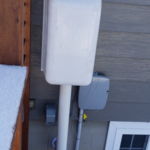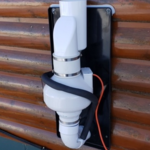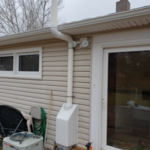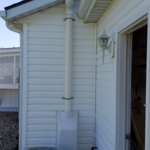

Top-rated radon detection and reduction specialists.

Get matched with top radon detection and reduction specialists in Hill City, SD

Enter your zip and get matched with up to 5 pros

Need a pro for your radon detection and reduction project in Hill City, SD?

Select your specific project to find the pro for you.

Find Radon detection and reduction specialists in Hill City

Avatar for Blackburn Foundation Repair, LLC
Blackburn Foundation Repair, LLC
4.6(
23
)
Radon Gas - AbatementRadon Gas - Testing

Serving Hill City, SD and surrounding areas

Approved

In business since 1992

Free estimates

Warranties offered

"Excellent service! Pro was nice, easy to work with, professional! Never would have known he was here, he cleaned the working area so well! I would definitely recommend Blackburn Basement!!"
Crawl Space Repair
Crawl Space Repair
Response time1 day
90 neighbors recently requested a quote
Recommended by80%of homeowners
Avatar for Black Hills Radon
Black Hills Radon
New to Angi
Radon Gas - AbatementRadon Gas - Testing

Serving Hill City, SD and surrounding areas

Approved

In business since 2022

Free estimates

Black Hills Radon is committed to excellence in every aspect of our business. We uphold a standard of integrity bound by fairness, honesty, and personal responsibility. Our distinction is the quality of service we bring to our customers. Accurate knowledge of our trade combined with ability is what makes us true professionals. Above all, we are watchful of our customers' interests, and make their concerns the basis of our business.

1 neighbors recently requested a quote
Radon Detection and Reduction questions, answered by experts

Radon detection is crucial as prolonged exposure to radon gas, a leading cause of lung cancer, poses significant health risks in residential environments.

Radon is the number one non-smoking cause of lung cancer in the United States, but it can cause some other concerning side effects in the meantime. If you have a raspy voice, chest pains, trouble breathing, difficulty swallowing, or any of the above, don’t hesitate to perform radon testing and install a mitigation system as soon as possible.

The soil beneath your house is most likely what’s causing an increased level of radon. This is because soil holds radioactivity for a long time and it’s also what most buildings are built on. Another common source of radon is water from a source that hasn’t been through periodic radon tests, such as well water. Over time, the radon from the soil can inhabit other parts of your house like the foundation or plumbing.

Radon enters your home when warm air begins to rise and exits through the roof, creating a vacuum that pulls cooler air from under the foundation. Part of that air is radon, which is an invisible, odorless gas that develops naturally when radioactive particles are deep within the ground. Those particles usually come from decaying matter in soil and rocks.

No level of radon is technically safe, but since it is present everywhere, complete avoidance is impossible. The average radon level in homes across the United States is 1.3 picocuries per liter (pCi/L). The Environmental Protection Agency (EPA) recommends taking preventative measures if your home's radon levels are between 2 and 4 pCi/L or higher.

The Hill City, SD homeowners’ guide to radon detection and reduction services

From average costs to expert advice, get all the answers you need to get your job done.